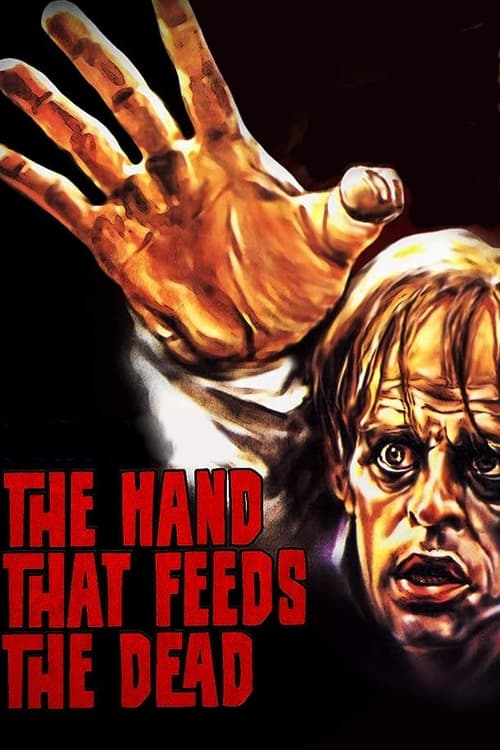
The Hand That Feeds the Dead
1974
No user ratings available yet
Representation score: 4.8 out of 10
Representation Score
Fair
1974
Director
Sergio Garrone
Runtime
83 minutes
Average Rating
No ratings yetNew Showbiz Analysis
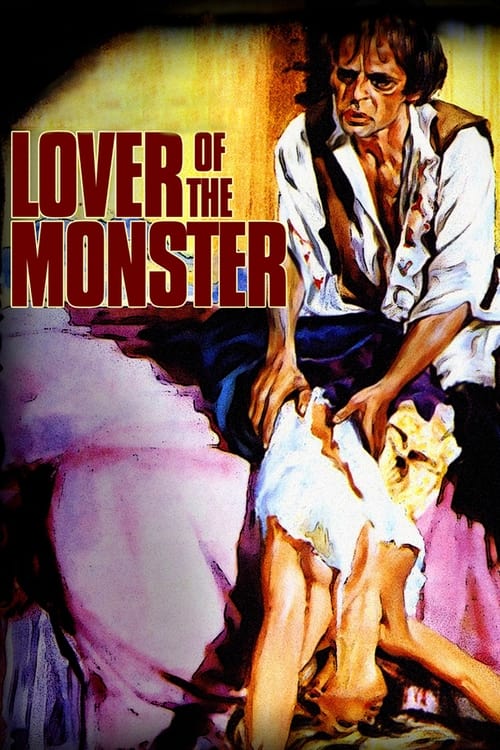
Lover of the Monster is a traditional 1970s Italian horror film that adheres closely to the social and cinematic norms of its era. It relies on established gothic clichés of inheritance and scientific obsession rather than modern storytelling that reflects multiple aspects of identity. The film's demographic framework is conventional, centered around a traditional heterosexual couple and a homogeneous European cast. While it features a woman at the center of the inheritance, the narrative ability to act is shared between the female heir and the male investigator. Overall, the film lacks intentional diversity, using themes of abnormality primarily as plot devices to drive the horror genre's tension.
Category Breakdown
The story focuses on a marriage between Anijeska and Dr. Alex Nijinski, which is presented as a traditional heterosexual relationship. There are no indications of queer subtext or non-traditional gender identities among the characters.
Anijeska is the main female lead and heir to the mansion. However, the plot revolves around the male doctor's scientific research and discoveries.
The film showcases a culturally and ethnically uniform Mediterranean setting, typical of 1970s Italian horror. It lacks diverse ensemble elements, reflecting the homogeneous European casting of the time.
The narrative delves into themes of scientific transgression and patriarchal legacies. It functions as a gothic exploration of individual obsession rather than a critique of specific social or secularist agendas.
The presence of a 'monster' highlights physical or psychological abnormalities. These elements serve primarily as horror clichés rather than nuanced portrayals of disability.
Present on Screen
Limited or Absent
Official Synopsis
Anijeska, the Rassimov's heir, moves with her husband, Dr. Alex Nijinski, to her father's mansion. In the basement, the doctor discovers the laboratory in which the late Rassimov carried out horrifying experiments.
1974
1960
1979
1971
1979
1928
1973

1974
No reviews yet. Be the first to share your thoughts on this movie!
Use the rating form above to leave a star rating and optional review.