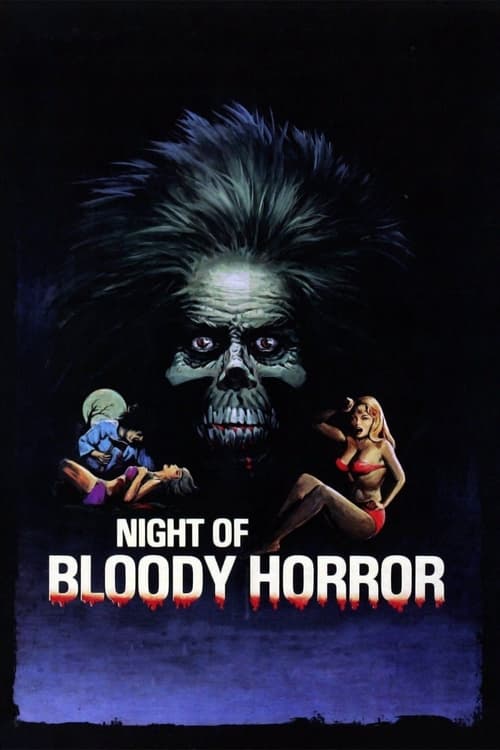
The Night of Bloody Horror
1969
No user ratings available yet
Representation score: 3.5 out of 10
Representation Score
Fair
1981
RDirector
Romano Scavolini
Runtime
99 minutes
Average Rating
No ratings yetNew Showbiz Analysis
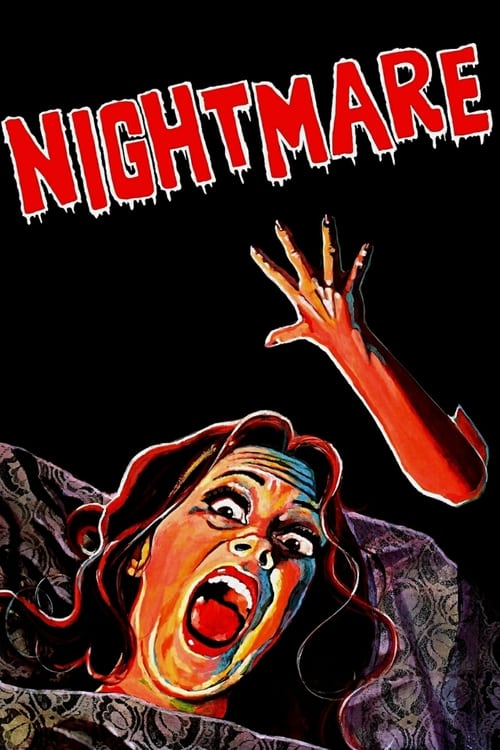
Nightmare is a surrealist horror film that prioritizes psychological fragmentation over social representation. Its dream-logic structure deconstructs reality, but the narrative remains focused on the protagonist's internal chaos rather than external social structures. The film fails to engage with diverse identities, offering limited LGBTQ+, racial, or multi-layered depth. Characters often serve as tools for the protagonist's psyche rather than fully realized individuals with their own cultural or social contexts. While the film's rejection of cohesive reality offers a postmodernist critique of normalcy, its depiction of disability is problematic. By tying schizophrenia directly to violence and instability, it relies on established horror clichés that can stigmatize neurodivergence.
Category Breakdown
The film focuses solely on the protagonist's psychological state and does not include any characters with non-cisgender or non-straight identities.
Female characters mainly represent the male protagonist's psyche or serve as objects of his attention. Their roles do not challenge traditional gender hierarchies.
The film does not explore racial or ethnic identity and lacks intentional casting that reflects diverse backgrounds.
The film critiques social order by depicting a world governed by dream logic. It frames anti-social behavior through individual pathology rather than broader societal issues.
Schizophrenia drives the plot, but the portrayal emphasizes the unreliable narrator cliché. Linking mental illness to violence risks reinforcing negative stereotypes.
Present on Screen
Limited or Absent
Official Synopsis
A drug-treated schizophrenic plagued by horrible nightmares is released from the hospital and goes on a killing spree.
1969
1970
1986

1972

1974
1981
1978

1980
No reviews yet. Be the first to share your thoughts on this movie!
Use the rating form above to leave a star rating and optional review.