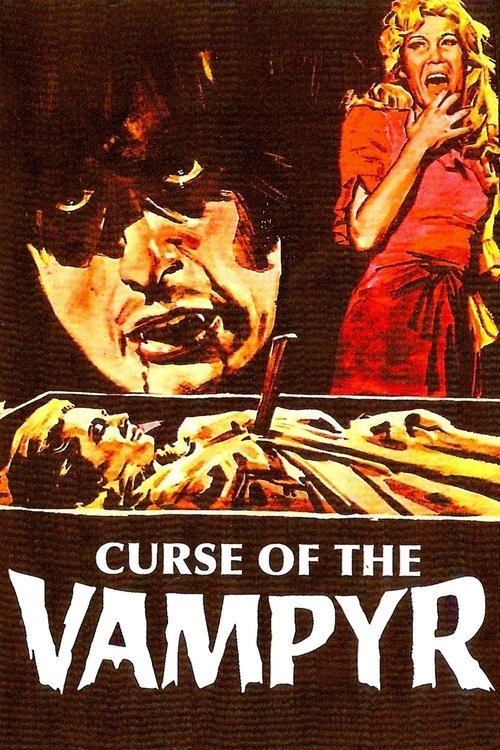
Call of the Vampire
1972
No user ratings available yet
Representation score: 2.0 out of 10
Representation Score
Limited
1964
Not RatedDirector
Camillo Mastrocinque
Runtime
82 minutes
Average Rating
No ratings yetNew Showbiz Analysis
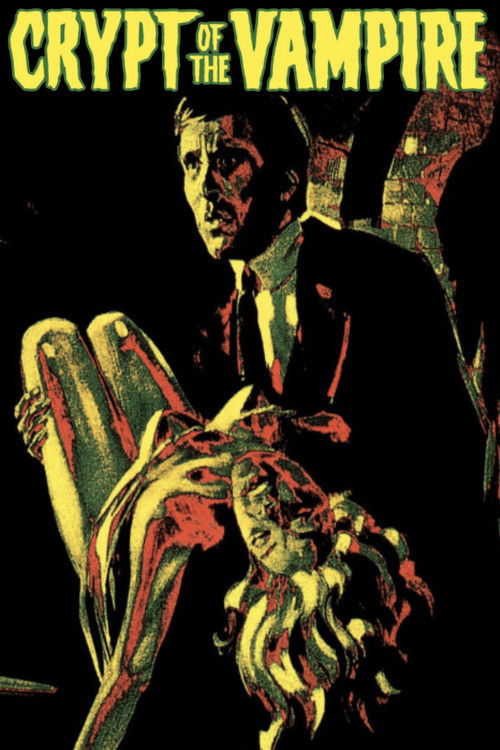
Crypt of the Vampire is a quintessential Gothic horror film that prioritizes atmospheric dread and established genre clichés over social subversion. The narrative structure reinforces traditional hierarchies, particularly regarding gender and class. While the film includes complex, subtextual intimacy between female characters, it lacks the intentionality to challenge social norms. Instead, it operates within a framework of Western genre clichés. Ultimately, the film reflects the mid-1960s standard, presenting a homogeneous, Eurocentric world where characters often serve specific, traditionalized roles within a supernatural framework.
Category Breakdown
The film features intense, boundary-blurring intimacy between female characters, drawing from the Carmilla archetype. However, the characters remain within a Gothic framework of supernatural obsession without explicitly confirming their sexual or gender identities.
Female characters play a central role in driving the emotional core of the film, often portrayed in positions of vulnerability or psychological instability. The narrative frequently relies on the 'damsel' and 'madwoman' clichés, reinforcing traditional gender roles.
The cast and setting are overwhelmingly homogeneous, focusing on an aristocratic, Eurocentric lineage. There is no significant evidence of racial blending or non-white casting within this traditionalist setting.
The story leans into established genre clichés of ancestral and spiritual corruption, operating within a traditional moral framework. It does not actively critique Western institutions or religious structures.
Mental instability and possession are used primarily as plot devices to drive horror and suspense. The protagonist's illness serves the supernatural narrative rather than offering a nuanced exploration of mental health.
Present on Screen
Limited or Absent
Official Synopsis
Count Karnstein sends for a doctor to help his sick daughter Laura. Her nurse believes she is possessed by the spirit of a dead ancestor, Carmilla. A young woman becomes intrigued by the mysterious deaths surrounding Laura after a carriage accident outside the castle forces her to stay. They become close friends until Laura becomes convinced the spirit of Carmilla is forcing her to kill.
1972
1960
1963
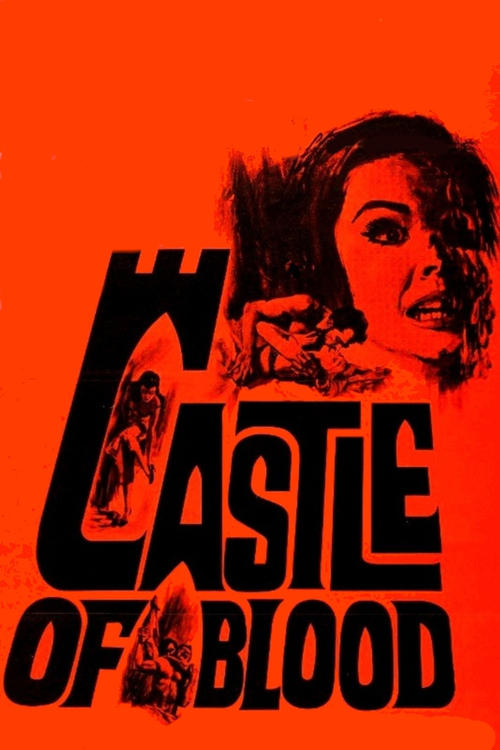
1964
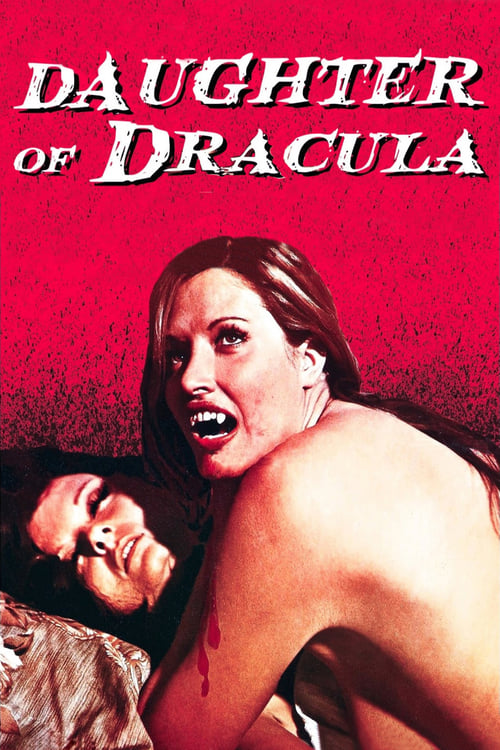
1972
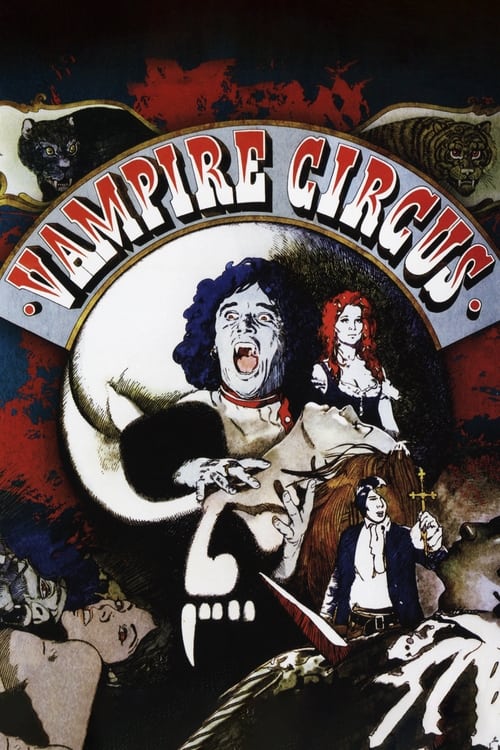
1972
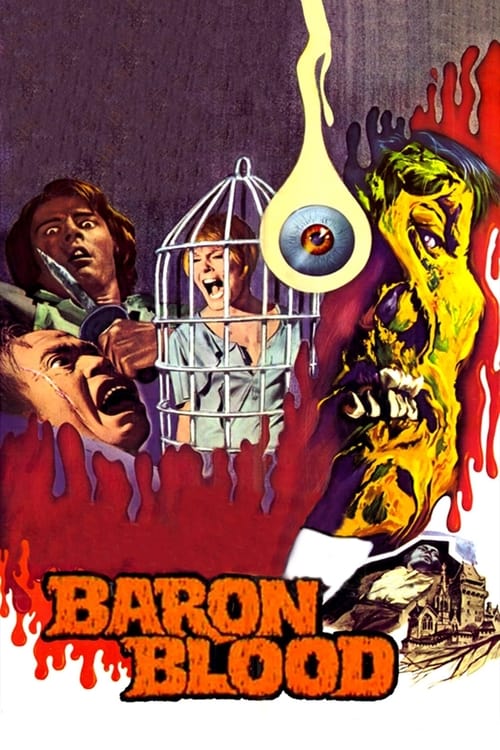
1972

1973
No reviews yet. Be the first to share your thoughts on this movie!
Use the rating form above to leave a star rating and optional review.