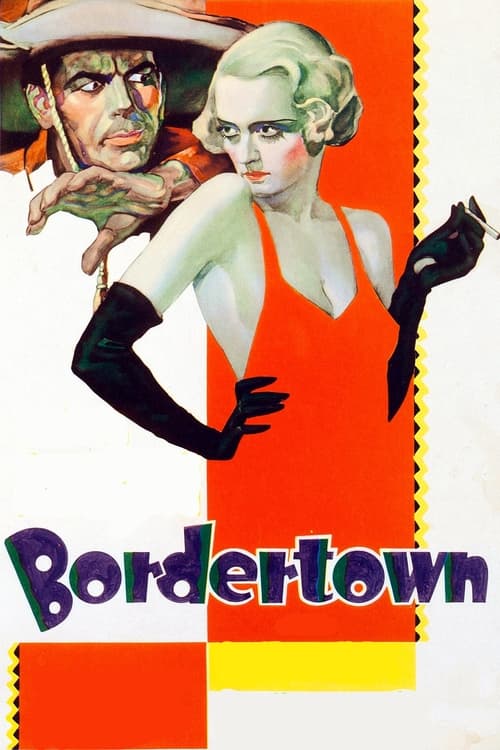
Bordertown
1935
No user ratings available yet
Diversity score: 2.9 out of 10

1947
Director
Roberto Gavaldón
Runtime
107 minutes
Average Rating
No ratings yetSynopsis
Legendary superstar María Félix, stars in this melodrama noir playing the role of Raquel, a woman who has a passionate love affair with married aristocrat Antonio. However, a sensual sculpture untitled “The Kneeling Goddess” and modeled after Raquel will lead Antonio down a memory lane he'd rather soon forget.
Overall Score
Limited
Category Breakdown
LGBTQ+ Representation
The film focuses on a heterosexual marriage between Antonio and his wife. There are no visible non-cisnormative identities or narratives that challenge heteronormativity.
Gender Representation
The story centers on a traditional hierarchy where the male protagonist exercises agency through material gifts. The central motif of a naked, kneeling statue suggests the female character may be positioned as a passive object.
Racial & Ethnic Diversity
As a product of the Golden Age of Mexican cinema, the film features a predominantly Mexican cast. However, casting reflects localized social hierarchies rather than intentional multi-ethnic blending.
Religious & Cultural Diversity
The narrative emphasizes wealth, status, and the preservation of the nuclear family. It operates within the conventional moral frameworks and romantic ideals of the 1940s.
Disability Representation
The available information provides no evidence regarding characters with visible or invisible disabilities.
Strengths
Areas for Improvement
AI Analysis
The Kneeling Goddess is a period-specific melodrama that reflects the rigid social and moral constraints of 1947. Its narrative architecture is built upon established hierarchies of gender and class, prioritizing traditional stability over social disruption. While the film benefits from the high production values of the Mexican Golden Age, its themes lean heavily into patriarchal structures. The central symbol of the kneeling statue reinforces a dynamic of male agency and female objectification. Ultimately, the film serves as a window into mid-century cinematic conventions, focusing on wealth and domesticity rather than intersectional or diverse perspectives.
1935
1947
1940

1946

1941
1948
1950

1934
1947
1947

1949
1937
No reviews yet. Be the first to share your thoughts on this movie!
Use the rating form above to leave a star rating and optional review.