On the Night of the Fire
1939
No user ratings available yet
Representation score: 0.4 out of 10
Representation Score
Minimal
1934
NRDirector
Roy Del Ruth
Runtime
73 minutes
Average Rating
No ratings yetNew Showbiz Analysis
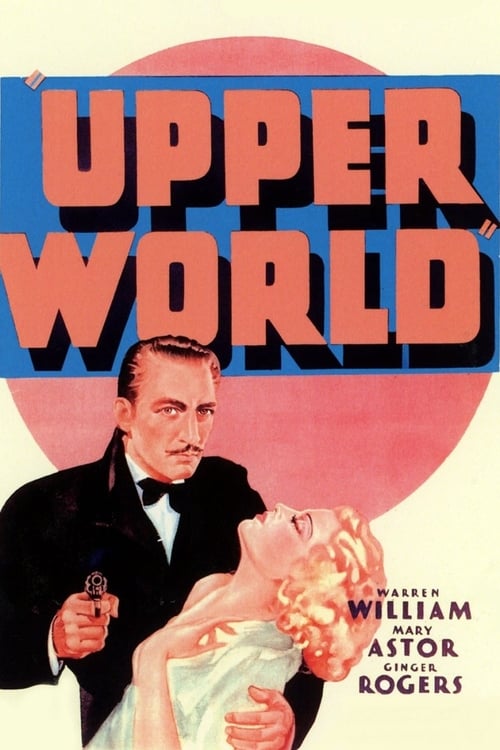
Upperworld adheres to the standard cinematic conventions of 1930s crime dramas. The narrative structure emphasizes class dynamics and melodrama over complex representations of identity. The film relies on established genre clichés, focusing on the transactional relationships between the wealthy and the entertainment industry. This results in a story that reinforces traditional social hierarchies rather than challenging them. Ultimately, the film lacks representation across most identity categories, reflecting the homogeneous casting and narrative structures prevalent in early studio-era Hollywood.
Category Breakdown
The movie focuses on a heterosexual relationship between a tycoon and a showgirl. It does not include any characters with non-binary gender identities or narratives that question the assumption that everyone is straight.
The story revolves around a male authority figure and a female showgirl. While the woman plays a key role in driving the conflict, her involvement is closely tied to her professional life and subsequent victimization.
The narrative does not feature a diverse cast. It likely reflects the homogeneous, Anglo-centric casting standards typical of 1930s Hollywood productions.
The story examines the moral complexities and power dynamics within the entertainment industry. It functions as a traditional morality tale rather than a critique of Western institutions.
There is no information about the portrayal of physical or neurodivergent disabilities in this film.
Present on Screen
Limited or Absent
Official Synopsis
A railroad tycoon, disillusioned with his marriage, starts seeing a showgirl. Things go agreeably until the woman's manager decides to blackmail the millionaire.
1939

1945
1929
1947
1940
1932
1929

1935
No reviews yet. Be the first to share your thoughts on this movie!
Use the rating form above to leave a star rating and optional review.