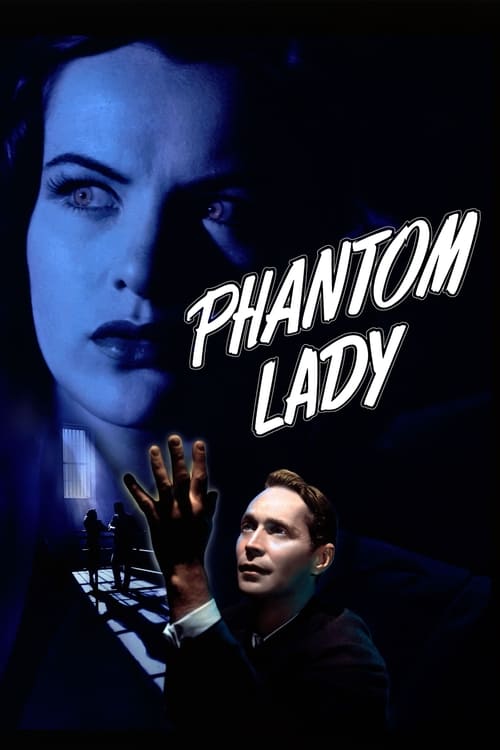
Phantom Lady
1944
No user ratings available yet
Representation score: 1.6 out of 10
Representation Score
Limited
1949
NRDirector
Robert Siodmak
Runtime
100 minutes
Average Rating
No ratings yetNew Showbiz Analysis
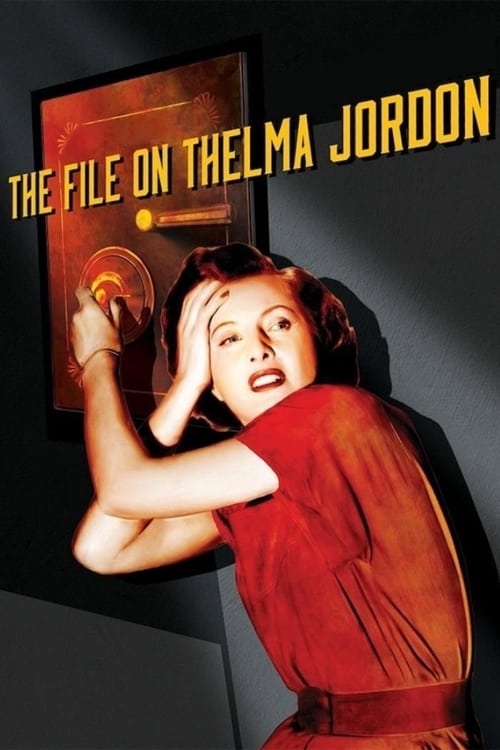
This classic noir emphasizes psychological depth and the subversion of traditional gender roles over demographic diversity. Although it lacks LGBTQ+ or disabled characters, it provides a sophisticated critique of institutional stability. Its strength lies in its complex portrayal of femininity and the erosion of moral certainty. However, the production remains limited by the era's lack of racial and ethnic diversity.
Category Breakdown
The film does not feature any LGBTQ+ characters. The romantic tension revolves around a troubled heterosexual relationship between the main characters.
Thelma Jordon challenges mid-century gender roles by playing a significant role in driving the story. She acts as the primary catalyst for the male protagonist's moral and professional decline.
The cast is predominantly white and reflects the production standards of 1949. There is no indication of racial or ethnic diversity.
The narrative questions the reliability of legal systems. It delves into moral relativism and the breakdown of professional ethics through the protagonist's obsession.
No visible or invisible disabilities are shown. Disability is not used as a narrative device in the character arcs.
Present on Screen
Limited or Absent
Official Synopsis
Cleve Marshall, an assistant district attorney, falls for Thelma Jordon, a mysterious woman with a troubled past. When Thelma becomes a suspect in her aunt's murder, Cleve tries to clear her name.
1944

1944
1947
1947
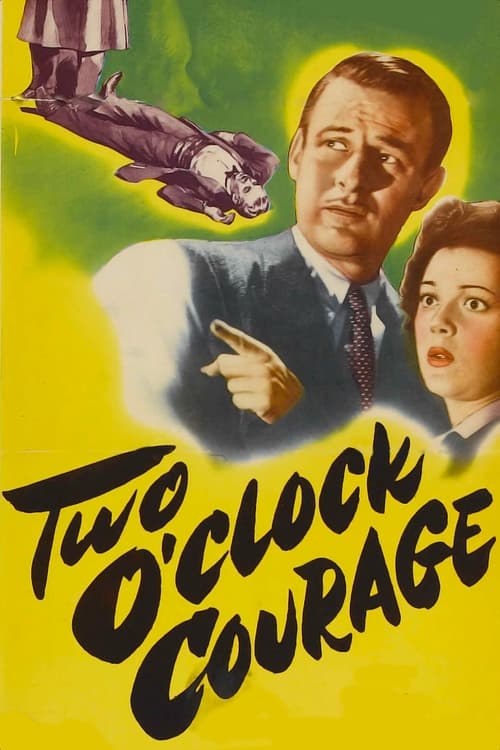
1945
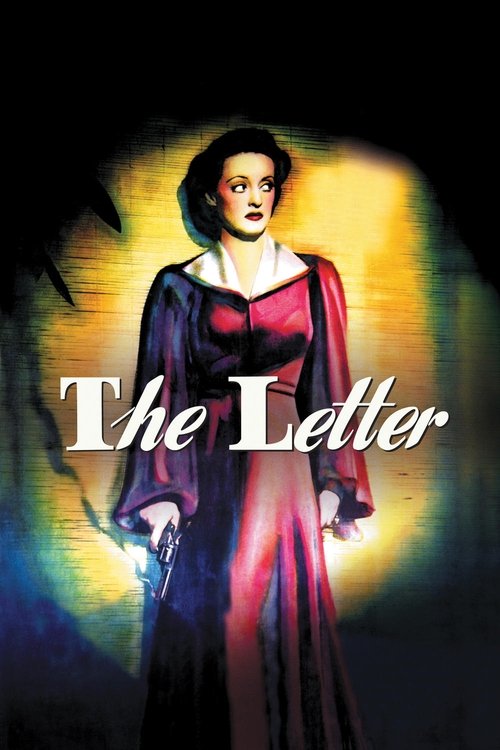
1940
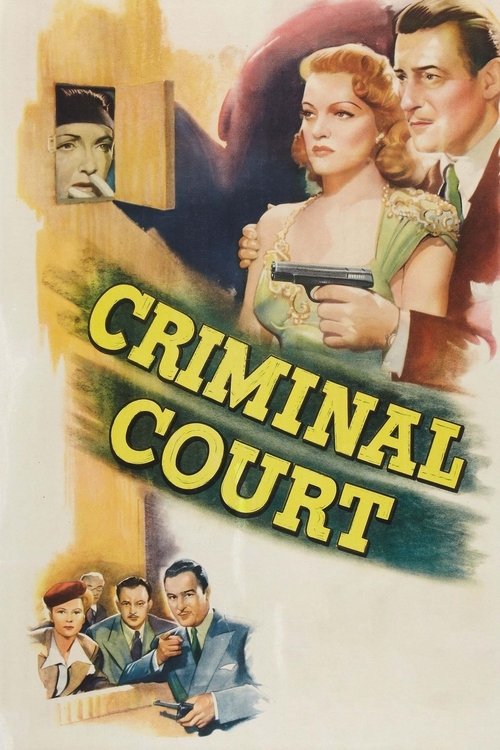
1946
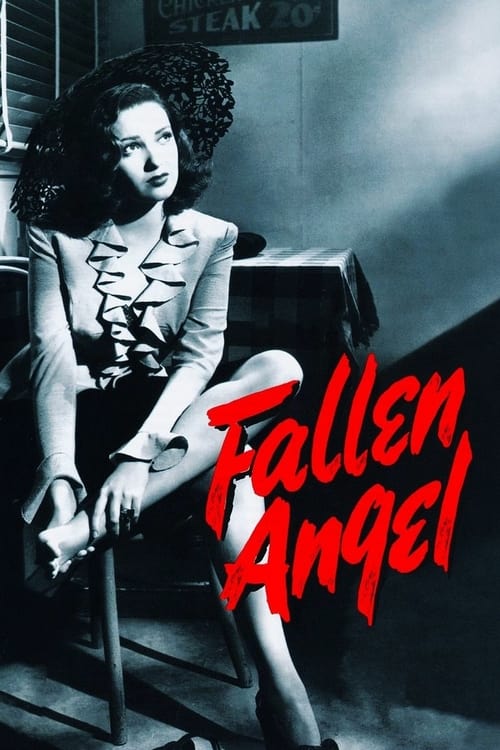
1945
No reviews yet. Be the first to share your thoughts on this movie!
Use the rating form above to leave a star rating and optional review.