
Highway West
1941
No user ratings available yet
Representation score: 0.9 out of 10
Representation Score
Limited
1937
Director
Fernando de Fuentes
Runtime
89 minutes
Average Rating
No ratings yetNew Showbiz Analysis
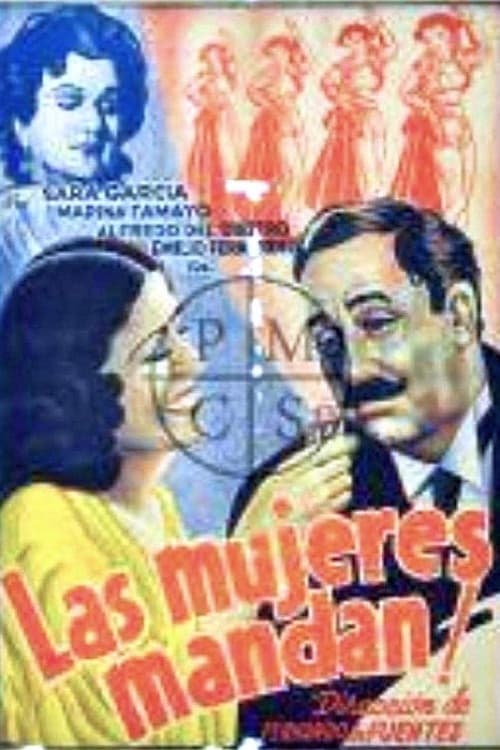
Las mujeres mandan offers a fascinating look at shifting power dynamics in 1930s Mexican cinema. By positioning the female lead as the primary catalyst for the protagonist's criminal descent, the film disrupts the era's traditional domestic hierarchies and the 'provider' cliché. While the film lacks modern multi-layered complexity, its critique of the family unit as a source of oppression provides a progressive social reading. The narrative favors personal liberation and moral relativism over established social stability. Ultimately, the film serves as a notable example of gendered subversion, even if it remains limited by the demographic homogeneity of its time.
Category Breakdown
The film focuses solely on a heterosexual relationship between Isidro and Chayito. There are no queer identities or subtext in the plot.
The film challenges traditional patriarchal norms by centering a female lead who drives the plot. The title highlights a shift where women take control of the narrative direction.
The cast is primarily Mexican, providing a localized perspective. However, the film reflects the demographic homogeneity of 1937 rather than intentional multi-ethnic blending.
The story critiques traditional family structures as sources of oppression. It prioritizes individual desires and situational ethics over rigid religious or moral frameworks.
There is no portrayal of physical or neurodivergent disabilities in the film.
Present on Screen
Limited or Absent
Official Synopsis
Tired of being mistreated by his wife and children, Isidro (Del Diestro) leaves his family and follows young variety dancer Chayito (Tamayo) to Mexico City. After becoming lovers, Chayito asks Isidro to steal money from the bank he used to work in the small town of San Jacinto. After commiting the robbery, Isidro is accused of murder and things get more complicated.
1941

1949
1952
1937

1950
1935
1950
1949
No reviews yet. Be the first to share your thoughts on this movie!
Use the rating form above to leave a star rating and optional review.