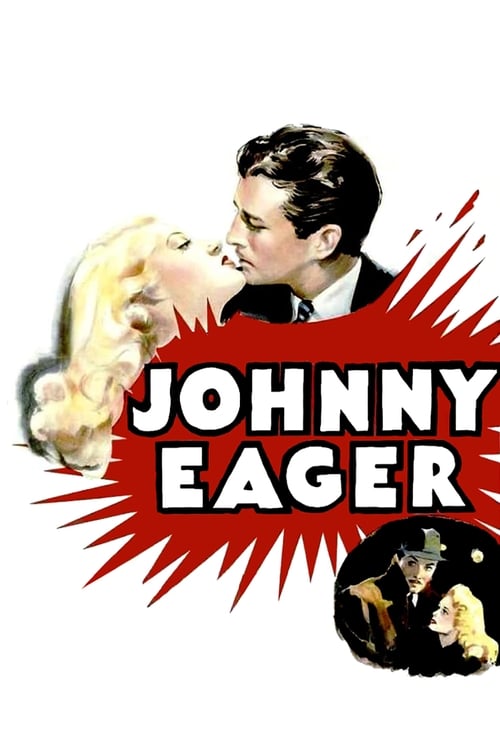
Johnny Eager
1941
No user ratings available yet
Representation score: 0.5 out of 10
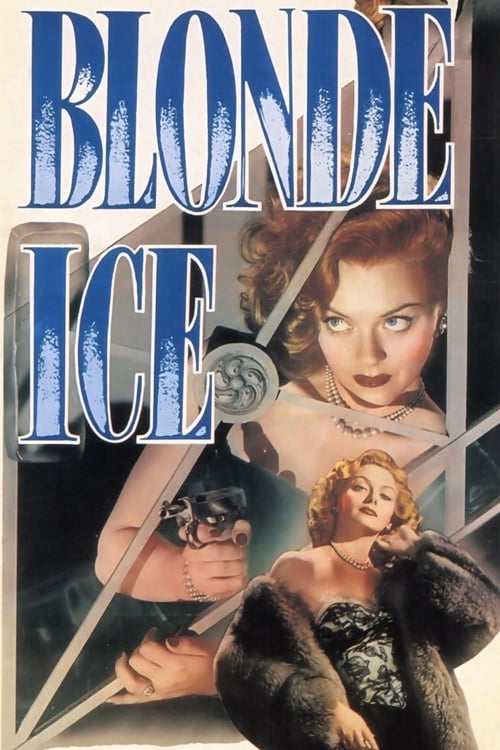
Representation Score
Minimal
1948
NRDirector
Jack Bernhard
Runtime
73 minutes
Average Rating
No ratings yetNew Showbiz Analysis
Blonde Ice is a classic mid-century noir that relies on well-established genre clichés. The film centers on the femme fatale archetype, providing the female lead with significant influence through manipulation. The production follows the social and casting norms of 1948, resulting in a narrative that lacks significant racial or LGBTQ+ diversity. It functions as a standard crime drama rather than a work that seeks to challenge social hierarchies. Ultimately, the film is a product of its time, prioritizing hardboiled storytelling and fatalistic character studies over the representation of diverse identities.
Category Breakdown
The film does not include any characters with non-straight or non-cisgender identities. There is no indication of queer themes or characters taking control of their own stories.
The story uses the femme fatale cliché, giving the female lead significant influence through manipulation. However, the narrative ultimately reinforces traditional gender roles by focusing on male responses to her actions.
The cast follows typical 1940s Hollywood patterns, featuring a mostly white ensemble. There is no evidence of non-white or non-Anglo-Saxon actors.
The plot adheres to traditional Western noir themes, emphasizing wealth and morality without challenging Western cultural norms.
The film does not feature any characters with visible or invisible disabilities.
Present on Screen
Limited or Absent
Official Synopsis
A golddigging femme fatale leaves a trail of men behind her, rich and poor, alive and dead.
1941
1945
1946
1943
1945
1946

1954
1950
No reviews yet. Be the first to share your thoughts on this movie!
Use the rating form above to leave a star rating and optional review.