
Highway West
1941
No user ratings available yet
Representation score: 0.9 out of 10
Representation Score
Limited
1950
ApprovedDirector
Vincent Sherman
Runtime
103 minutes
Average Rating
No ratings yetNew Showbiz Analysis
The film serves as a mid-century character study centered on individualistic rebellion. It finds its strength in providing a female lead who play a significant role in driving the story and a rejection of traditional domesticity. However, the work remains heavily tied to the demographic and social constraints of its era. It lacks the multi-layered representation and diverse casting found in modern cinema. While the protagonist's outsider status disrupts some social expectations, the film's overall scope is limited by the era's cinematic standards.
Category Breakdown
The film does not include any representation of LGBTQ+ identities or same-sex relationships. It adheres to the heterosexual norms of the 1950s.
The protagonist takes a leading role in driving the story forward by rejecting her traditional domestic life. This challenges the era's typical portrayal of women as submissive.
The film likely reflects the homogeneous, Anglo-centric casting standards common in 1950s Hollywood. There is no indication of diverse ethnic representation.
The story critiques the restrictive social structures of small towns through the protagonist's rebellion. It frames the pursuit of an outlaw lifestyle as a means of personal liberation.
There is no information suggesting the inclusion of characters with visible or invisible disabilities. The narrative does not address disability in any capacity.
Present on Screen
Limited or Absent
Official Synopsis
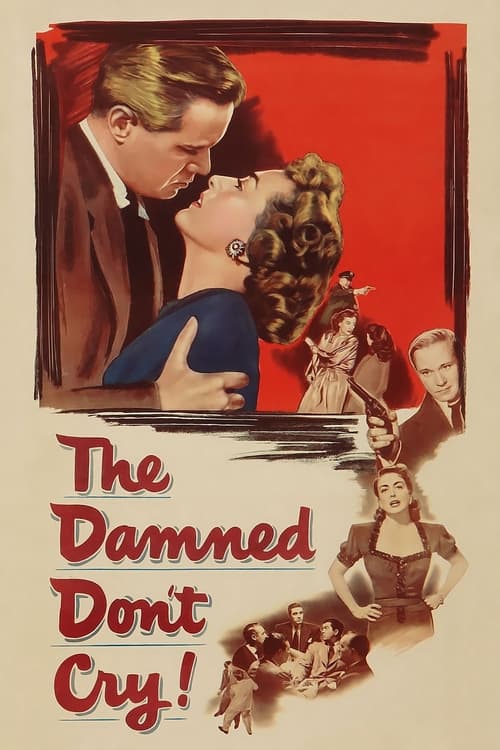
Fed up with her small-town marriage, a woman goes after the big time and gets mixed up with the mob.
1941
1949
1953
1950
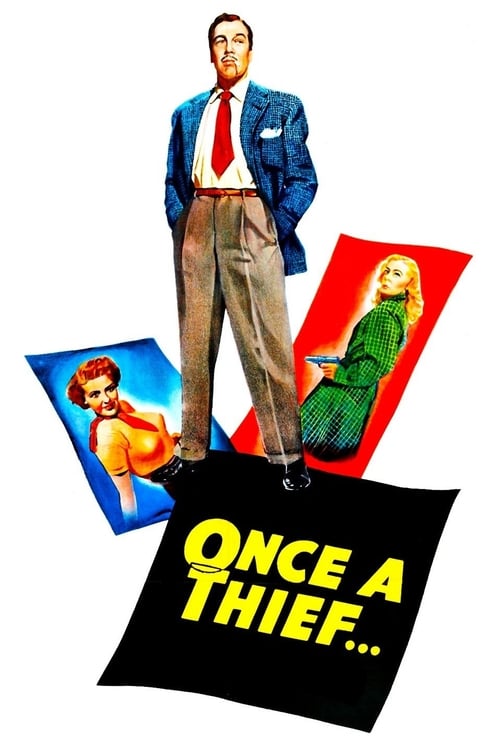
1950
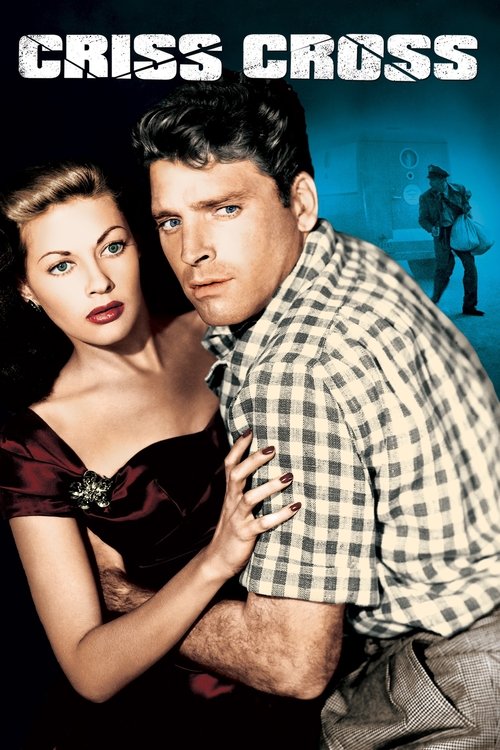
1949
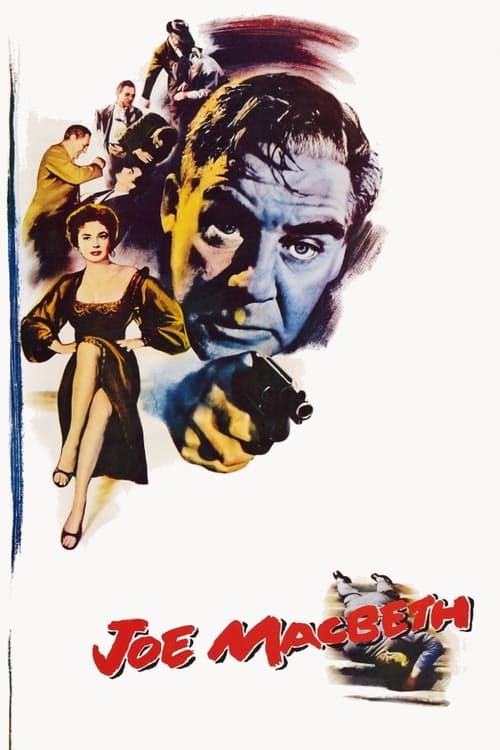
1955
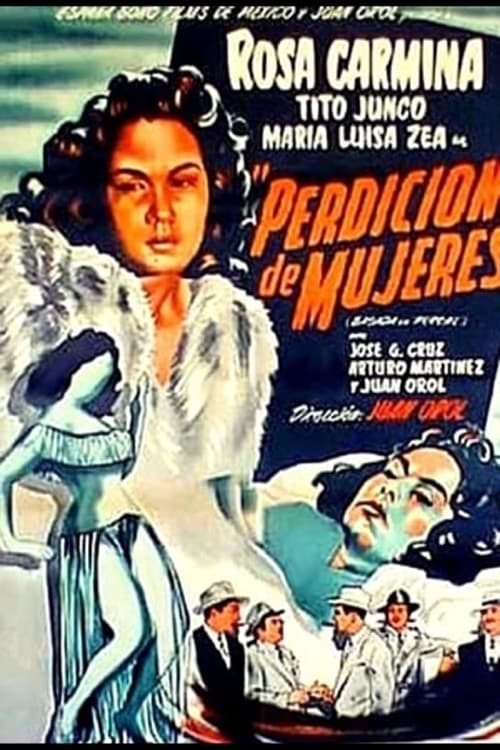
1951
No reviews yet. Be the first to share your thoughts on this movie!
Use the rating form above to leave a star rating and optional review.