Whistle Stop
1946
No user ratings available yet
Representation score: 1.8 out of 10
Representation Score
Minimal
1947
Director
Brian Desmond Hurst
Runtime
88 minutes
Average Rating
No ratings yetNew Showbiz Analysis
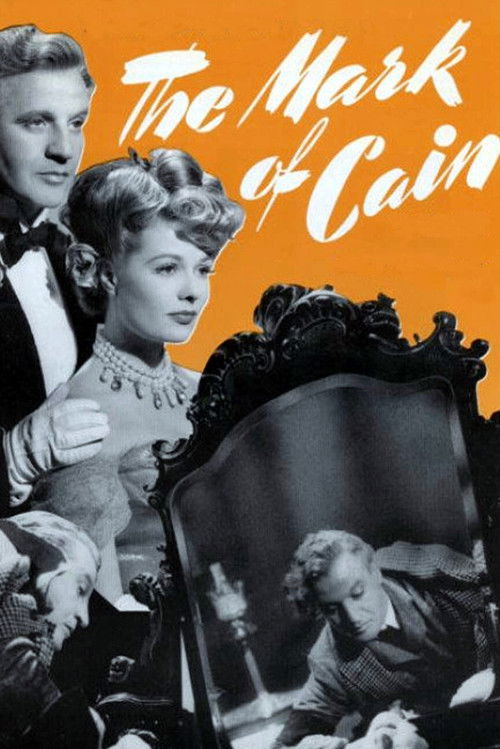
The Mark of Cain is a traditional psychological drama that adheres to the social and demographic norms of its era. The narrative prioritizes classical storytelling clichés over any attempts to challenge established norms regarding identity or social structure. While the film features a central female character who drives the plot, her influence is confined to romantic and familial dynamics. This reinforces traditional gender roles rather than challenging them. Ultimately, the film offers a homogeneous view of the world that lacks diverse representation.
Category Breakdown
The film follows a traditional structure that assumes everyone is straight and cisgender. There is no evidence of non-binary gender identities or same-sex relationships.
The female lead influences the plot primarily through domestic and romantic situations. However, the story remains centered on male-driven events.
The cast is predominantly white and Anglo-Saxon, reflecting the production standards of 1940s British cinema. There is no representation of non-white or non-Anglo-Saxon individuals.
The drama adheres to traditional Western moral frameworks, exploring themes of guilt and fate without offering critiques of the social order.
There is no representation of visible or invisible disabilities. Character struggles are psychological and circumstantial rather than rooted in physical or neurodivergent impairments.
Present on Screen
Limited or Absent
Official Synopsis
An attractive young French girl instigates rivalry between two brothers when she becomes the bride of the younger one. As the situation festers it leads to murder…
1946
1950
1947
1943
1957

1958
1958
1946
No reviews yet. Be the first to share your thoughts on this movie!
Use the rating form above to leave a star rating and optional review.