The Cheyenne Tornado
1935
No user ratings available yet
Representation score: 0.6 out of 10
Representation Score
Minimal
1922
PassedDirector
Paul Hurst
Runtime
50 minutes
Average Rating
No ratings yetNew Showbiz Analysis
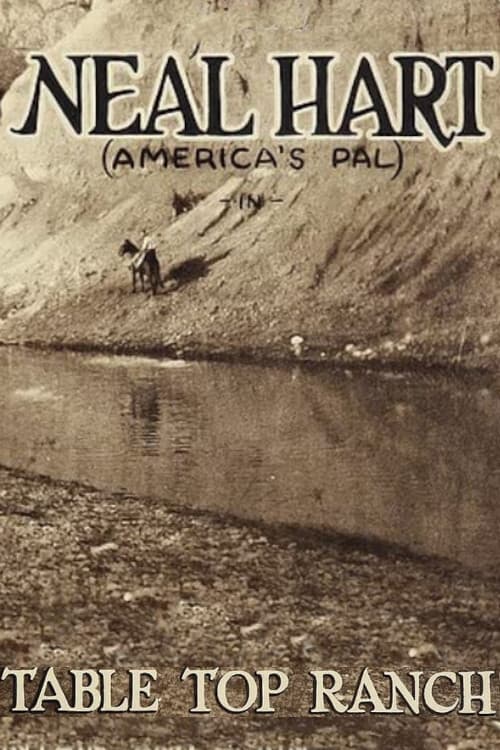
Table Top Ranch is a quintessential example of early 1920s Western storytelling, prioritizing traditional genre archetypes over social complexity. The narrative relies heavily on established hierarchies, particularly regarding gender and ability to act. The film's structure centers on a male hero intervening in a conflict to protect a female character. This reinforces a reactive role for women and a proactive role for men, typical of the period's cinematic conventions. Furthermore, the lack of diverse ethnic or LGBTQ+ representation suggests a narrow, Eurocentric view of the American frontier. The film functions as a standard moral drama within the cattlemen versus sheepmen conflict.
Category Breakdown
The film focuses on a traditional heterosexual relationship without any evidence of queer subtext or non-cisgender identities.
Kate Bowers is shown as a defenseless figure needing male protection. The power dynamics favor the male protagonist as the primary active agent.
The story centers on Anglo-Saxon archetypes without indicating the presence of non-Anglo-Saxon characters. It aligns with Eurocentric frontier narratives.
The plot utilizes a classic Western framework centered on frontier morality and land ownership. It adheres to established moral binaries rather than revisionist themes.
The film contains no mention of characters with visible or invisible disabilities.
Present on Screen
Limited or Absent
Official Synopsis
Cowhand John Marvin, in a cattlemen-vs-sheep-men range war, comes to the aid of a pretty and defenseless young sheepherder, Kate Bowers. This angers the other cattlemen, especially Palque Powell, who employs deceptive methods against Kate, while pretending to help her.
1935
1940
1929
1922
1922
1926
1930
1930
No reviews yet. Be the first to share your thoughts on this movie!
Use the rating form above to leave a star rating and optional review.