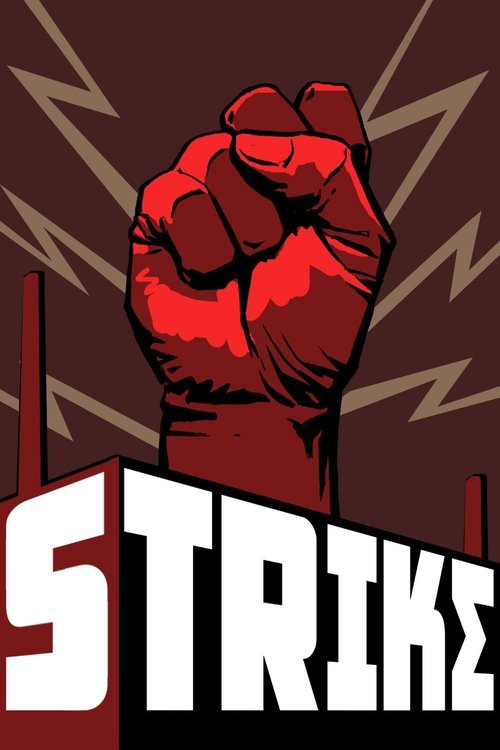
Strike
1925
No user ratings available yet
Representation score: 4.5 out of 10
Representation Score
Fair
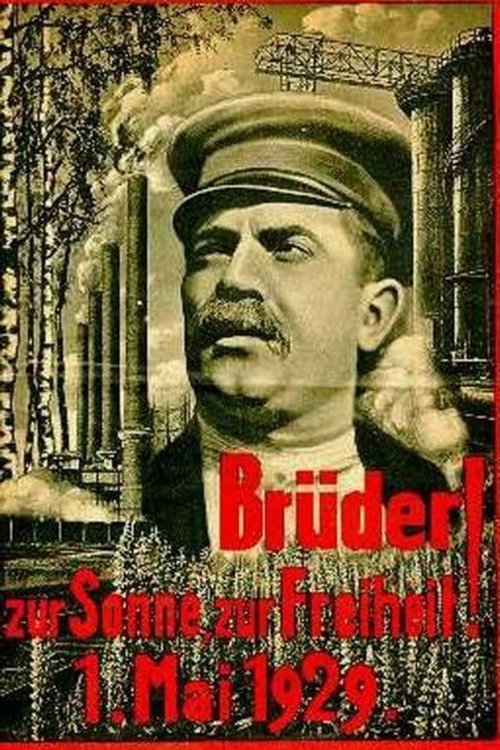
1929
Director
Werner Hochbaum
Runtime
78 minutes
Average Rating
No ratings yetNew Showbiz Analysis
Werner Hochbaum’s *Brothers* is a socially conscious drama that prioritizes class-based conflict over demographic variety. By dramatizing the 1896 Hamburg dockworkers' strike, the film uses a historical lens to critique the systemic inequities of the Weimar Republic. The film excels in its cultural critique of capitalist structures and state institutions. It also provides a nuanced exploration of how systemic roles impact familial and domestic bonds. Additionally, it effectively uses historical realism to comment on contemporary social inequities. However, the work lacks breadth in other areas. The cast appears demographically homogeneous, and the narrative lacks explicit representation regarding race, disability, or LGBTQ+ identities, focusing instead on the friction between the proletariat and the state.
Category Breakdown
The narrative focuses on class struggle and familial tension. There is no visible representation for LGBTQ+ identities or individuals with diverse sexual orientations and gender expressions.
The plot centers on a masculine-coded labor environment. However, the film explores how systemic roles fracture domestic bonds and the family unit.
The film reflects the demographic homogeneity of the 1929 German working class. It focuses on internal class stratification rather than ethnic diversity.
The film offers a strong critique of capitalist structures and state authority. It uses the dockworkers' struggle to challenge established social hierarchies.
There is no mention of characters navigating physical or neurodivergent disabilities.
Present on Screen
Limited or Absent
Official Synopsis
The film depicts, in a kind of fictional documentary, the 1896 Hamburg dockworkers' strike: the workers receive meagre wages for hard work and live under miserable conditions and finally go on strike (to make matters more personal, one of the strikers has a brother who is a policeman). Even though the inspiration for the story was an event that took place in the XIX century, things had little changed by the troublesome twenties so the story had a perfect contemporary ring.
1925
1963
1947
1954
1913
1987
1926
1928
No reviews yet. Be the first to share your thoughts on this movie!
Use the rating form above to leave a star rating and optional review.