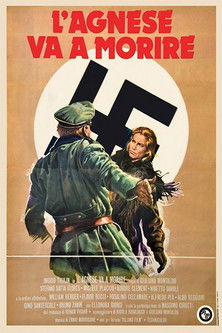
And Agnes Chose to Die
1976
No user ratings available yet
Representation score: 8.1 out of 10
Representation Score
Fair
1981
Not RatedDirector
Liliana Cavani
Runtime
131 minutes
Average Rating
No ratings yetNew Showbiz Analysis
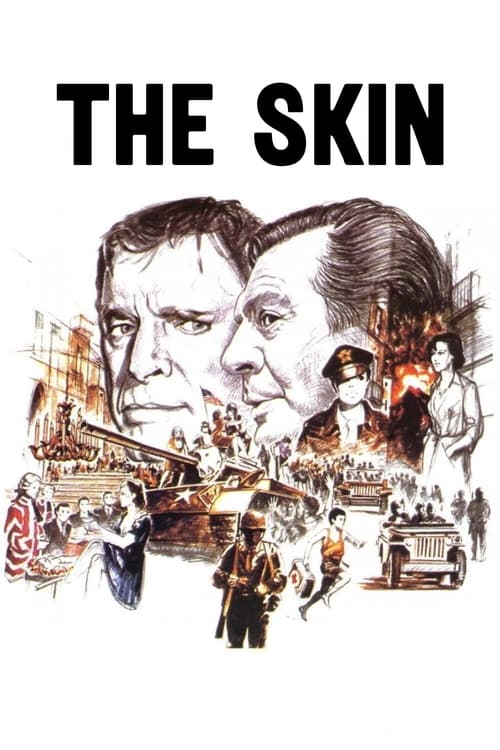
Liliana Cavani’s film is a transgressive psychological study that prioritizes the breakdown of morality over broad demographic representation. It offers a profound critique of Western structures during the Allied occupation of Italy. However, the film remains demographically narrow. It lacks meaningful representation of LGBTQ+ identities, racial diversity, or disability, focusing instead on a homogeneous Italian social fabric. Gender dynamics often reinforce objectification, even as they challenge traditional masculine authority. Ultimately, the film's value lies in its postmodern interrogation of the state and family, rather than its inclusivity of diverse human identities.
Category Breakdown
The film does not explicitly include LGBTQ+ identities or non-cisgender expressions. It explores unconventional eroticism and social taboos, but frames these as pathological obsessions rather than queer identity.
The story is driven by an obsessive male perspective that often objectifies female characters. However, it challenges traditional masculinity by showing the male lead's psychological decline and loss of potency.
The cast is predominantly homogeneous, reflecting the post-WWII Italian setting. There is no multi-layered casting or racial blending within the localized occupation context.
The film effectively deconstructs Western institutions and traditional morality. It presents a bleak, secularized view of human nature where survival and obsession outweigh religious or patriotic ideals.
There is no intentional representation of physical or neurodivergent disabilities. Psychological instability and trauma are treated as thematic elements of wartime decay rather than nuanced portrayals of disability.
Present on Screen
Limited or Absent
Official Synopsis
Based on the memoirs of author Curzio Malaparte, diplomatic liaison between the Allied and Italian forces after the defeat of the Nazis in Italy, The Skin follows the collapse of Italian society under the US occupation and the desperate measures required for survival.
1976

1960
2008
1946

1944
1999
1998
2018
No reviews yet. Be the first to share your thoughts on this movie!
Use the rating form above to leave a star rating and optional review.