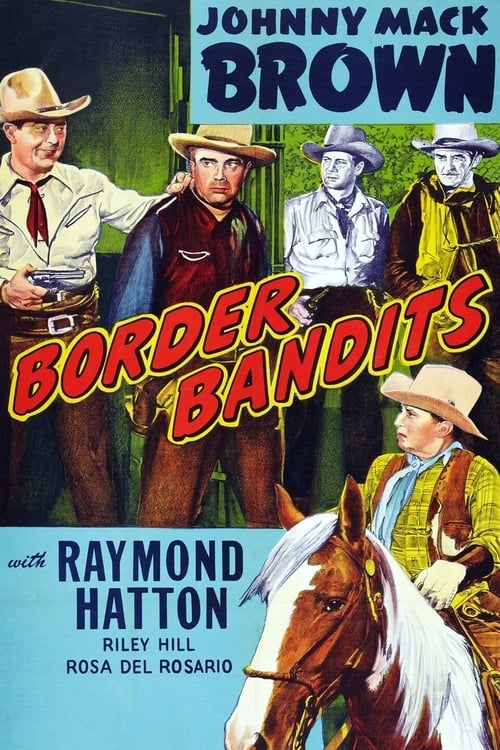
Border Bandits
1946
No user ratings available yet
Representation score: 0.6 out of 10
Representation Score
Minimal
1945
ApprovedDirector
Wallace Fox
Runtime
55 minutes
Average Rating
No ratings yetNew Showbiz Analysis
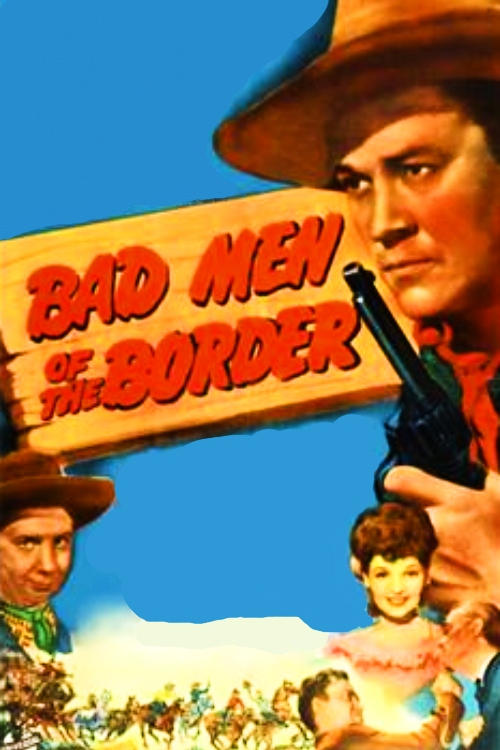
Bad Men of the Border is a period-accurate example of 1945 studio filmmaking that adheres to the formulaic conventions of the B-Western genre. The story prioritizes reinforcing traditional authority and clear moral distinctions rather than challenging social hierarchies. While the film introduces a Mexican female agent and cross-border collaboration, these elements do not disrupt the film's conservative structural norms. The narrative remains rooted in established mid-century clichés, emphasizing masculine camaraderie and patriarchal authority. Ultimately, the film upholds the status quo of the American West, using a streamlined approach to storytelling that favors traditional archetypes over deeper cultural or social exploration.
Category Breakdown
The film operates within a framework that assumes everyone is straight and cisgender. There is no representation of diverse gender identities or same-sex relationships.
The film follows conventional gender roles. Dolores Mendoza, a Mexican female agent, fits the 'capable but decorative' archetype typical of the era.
The film includes Mexican characters such as Captain Garcia, contributing to ethnic diversity. However, the story primarily focuses on the perspective of the U.S. Marshals.
The film upholds traditional Western institutions and the legitimacy of law enforcement. It maintains a binary moral system that emphasizes clear-cut right and wrong.
There is no representation of physical or neurodivergent disabilities in the film.
Present on Screen
Limited or Absent
Official Synopsis
Set on the Mexican border in 1850, Bad Men of the Border was the first of seven Universal Westerns starring handsome Kirby Grant, a former singer from Montana who had earlier acted under the name Robert Stanton. The series, Universal's last attempt at competing with Republic Pictures' many streamlined B-Westerns, also featured the bucolic Fuzzy Knight as Grant's sidekick. Grant and Knight are undercover U.S. marshals tracking down a gang of counterfeiters. To their surprise, they are soon assisted by a beautiful Mexican dancehall performer, Dolores Mendoza (Armida), who proves to be an undercover agent as well, in her case for the Mexican rurales headed by Captain Garcia (Francis McDonald).
1946
1950
1950
1941
1936

1951
1946
1949
No reviews yet. Be the first to share your thoughts on this movie!
Use the rating form above to leave a star rating and optional review.