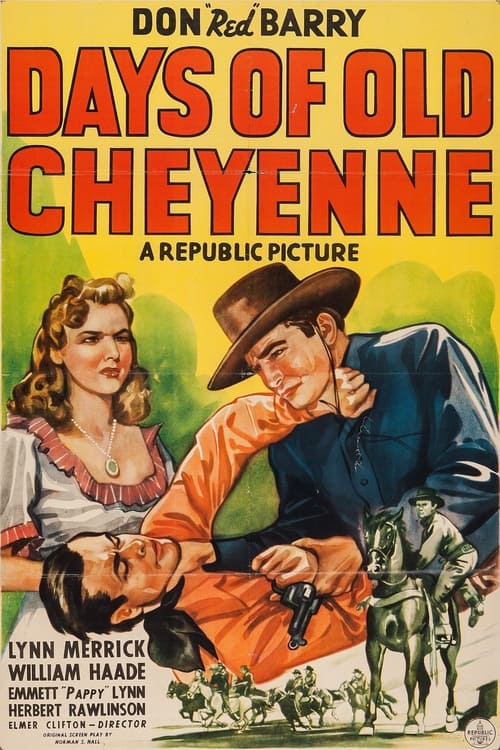
Days of Old Cheyenne
1943
No user ratings available yet
Representation score: 1.0 out of 10
Representation Score
Limited
1949
PassedDirector
Wallace Fox
Runtime
60 minutes
Average Rating
No ratings yetNew Showbiz Analysis
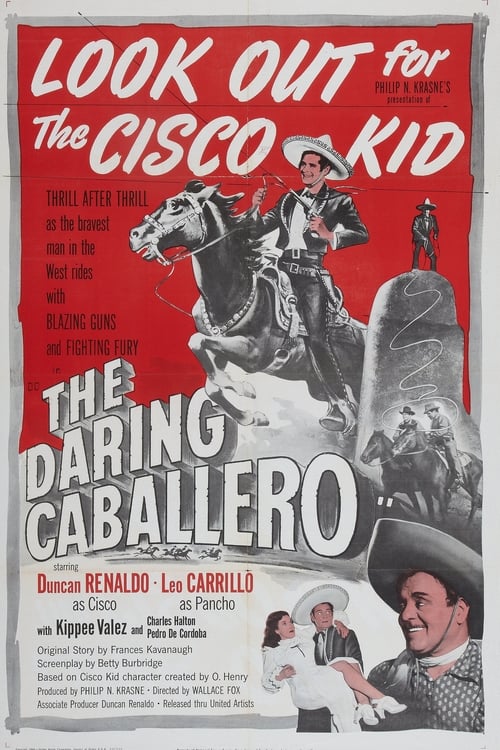
The Daring Caballero stands as a fascinating genre piece that simultaneously adheres to and challenges the Western clichés of its era. Its primary strength lies in its casting, which provides a meaningful departure from the homogeneous white casts typical of 1940s Westerns. While the film excels in racial ability to act by centering a non-white duo, it remains tethered to the social and moral hierarchies of the time. This results in limited gender subversion and a lack of LGBTQ+ representation, reflecting the era's standard cinematic constraints. Ultimately, the film offers a specific brand of heroism that challenges the 'white lawman' cliché, even if it does not attempt to deconstruct broader systemic issues or modern moral complexities.
Category Breakdown
The film follows traditional mid-century Western conventions. There is no evidence of non-straight gender identities or same-sex relationships, adhering to the assumption that everyone is straight or cisgender.
The narrative reinforces traditional gender hierarchies. While Kippie Valez provides female visibility, the focus remains on male control, with the female lead serving a primarily supportive or romantic role.
The film provides significant representation through its central protagonists. Casting Duncan Renaldo and Leo Carrillo disrupts the 'white savior' cliché by presenting actively leading, non-white heroic archetypes.
The story pits protagonists against a corrupt political machine. However, it uses a traditional framework of individual heroism rather than engaging in deeper systemic or anti-capitalist critique.
There is no discernible evidence regarding the portrayal of physical or neurodivergent disabilities within the film's narrative or character descriptions.
Present on Screen
Limited or Absent
Official Synopsis
Daring Cabellero was the third of producer Phil Krasne's Cisco Kid "B" westerns. Duncan Renaldo and Leo Carrillo return as Cisco and Pancho, roles they'd carry over into a popular 1950s TV series. Once more stumbling into a dangerous situation, Cisco and Pancho risk their own necks by saving an innocent man from hanging. Eventually, our heroes learn that a corrupt political machine is behind the killing. Leading lady Kippie Valez is cast as "herself," which must have meant more in 1949 than it does today. Unlike the subsequent TV series, Daring Caballero does not end with the leading actors reciting their standard mantra "Oh, Pancho! Oh, Cisco!"
1943
1945
1945
1939
1946
1950
1950
1946
No reviews yet. Be the first to share your thoughts on this movie!
Use the rating form above to leave a star rating and optional review.