Diane
1956
No user ratings available yet
Representation score: 1.2 out of 10
Representation Score
Minimal
1953
NRDirector
George Sidney
Runtime
112 minutes
Average Rating
No ratings yetNew Showbiz Analysis
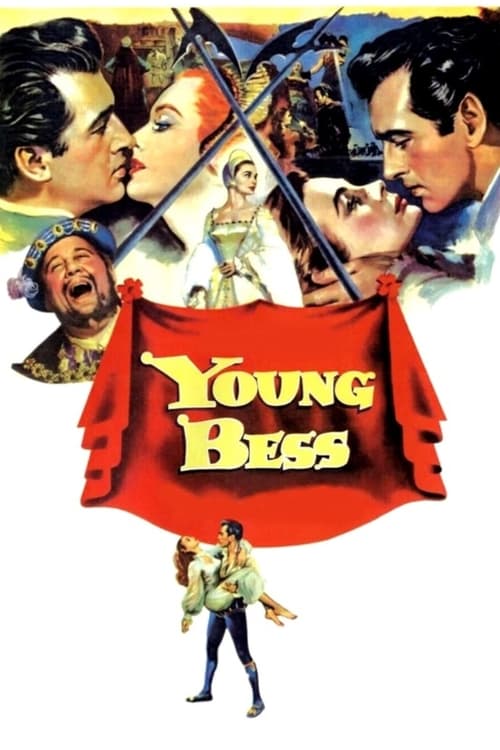
Young Bess is a classic biographical epic that highlights the personal journey of a historical figure. While it successfully portrays Elizabeth I as a clever and intellectually strong leader navigating a male-dominated society, the film remains firmly rooted in the social hierarchies of its time. The production reflects the homogeneity of the 16th-century English ruling class, resulting in a lack of racial and cultural diversity. Instead, it focuses on the traditional Western concept of monarchical legitimacy. Ultimately, the film serves as a character study of a powerful woman surviving a restrictive environment, while operating within a strictly Anglo-centric and straight-centered framework.
Category Breakdown
The film follows a traditional mid-century romantic storyline without featuring any non-straight gender identities or critiques of the assumption that everyone is straight.
The story focuses on Elizabeth I's rise to power, showcasing her intellect and political skills as she navigates a male-dominated world to master court intrigue.
The narrative primarily features Anglo-Saxon characters, reflecting the historical constraints of the Tudor court. There is no significant inclusion of non-white characters with substantial roles.
The film emphasizes the Western historical structure and the significance of monarchy. It reinforces traditional views of historical continuity through a biographical epic format.
There is no noticeable representation of physical or neurodivergent disabilities among the main characters or the supporting cast.
Present on Screen
Limited or Absent
Official Synopsis
The mother died under the executioner's axe; the daughter rose to become England's greatest monarch -- the brilliant and cunning Queen Elizabeth I. Jean Simmons portrays young Bess in this rich tapestry of a film that traces the tumultuous, danger-fraught years from Elizabeth's birth to her unexpected ascension to the throne at a mere 25. Charles Laughton reprises his Academy Award®-winning* role as her formidable father Henry VIII. Deborah Kerr plays her last stepmother (and Henry's last of six wives), gentle Catherine Parr. And Simmons' then real-life husband, Stewart Granger, adds heroics as Lord Admiral Thomas Seymour. In a resplendent world of adventure, romance and court intrigue, Young Bess reigns.
1956
1969
1939
1986
1936

1957
1961
1967
No reviews yet. Be the first to share your thoughts on this movie!
Use the rating form above to leave a star rating and optional review.