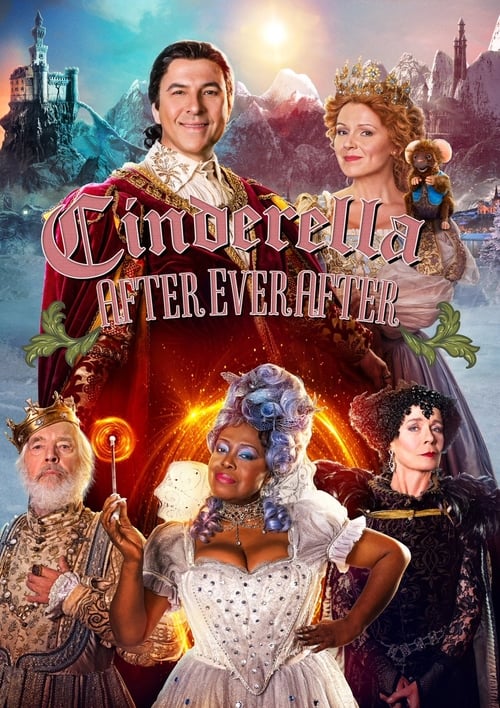
Cinderella: After Ever After
2019
No user ratings available yet
Representation score: 5.7 out of 10
Representation Score
Limited
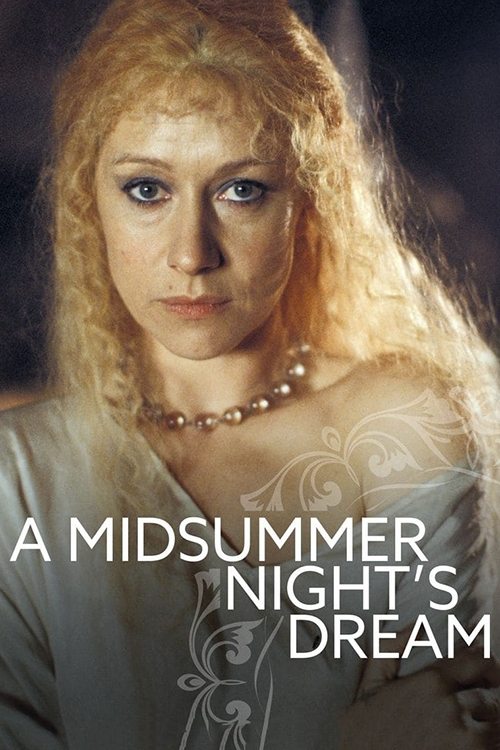
1981
TV-14Director
Elijah Moshinsky
Runtime
112 minutes
Average Rating
No ratings yetNew Showbiz Analysis
This filmed stage adaptation prioritizes faithfulness to Shakespeare's text over contemporary sociopolitical themes. It serves as a traditionalist interpretation emphasizing the whimsical essence of the original play. While the production showcases nuanced gender dynamics through the power struggles in the fairy realm, it falls short in terms of racial and LGBTQ+ diversity. The casting reflects the standards of its time, featuring a largely homogeneous cast. Ultimately, the work remains a period-specific classical piece. It effectively portrays women's ability to drive the story but lacks characters who reflect more than one aspect of diversity or diverse identities.
Category Breakdown
The film focuses solely on heterosexual relationships. Central conflicts revolve around traditional pairings without any same-sex interactions.
Female characters such as Hermia and Titania have significant roles in driving the plot and pass the Bechdel test. The fairy court offers a somewhat subversive take on traditional gender hierarchies.
The cast is primarily composed of white actors, reflecting the homogeneity typical of productions from the early 1980s.
The film examines the instability of human perception through dream sequences. It does not explicitly critique Western institutions or promote specific secular ideas.
There are no visible or invisible disabilities depicted in the film. Characters are defined by their social standing and supernatural attributes.
Present on Screen
Limited or Absent
Official Synopsis
Four Athenians run away to the forest only to have Puck the fairy make both of the boys fall in love with the same girl. The four run through the forest pursuing each other while Puck helps his master play a trick on the fairy queen. In the end, Puck reverses the magic, and the two couples reconcile and marry.
2019
1999
1935
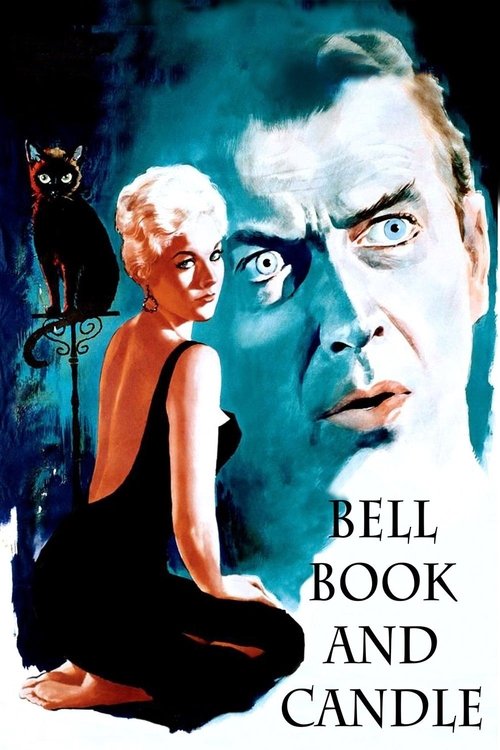
1958

1988
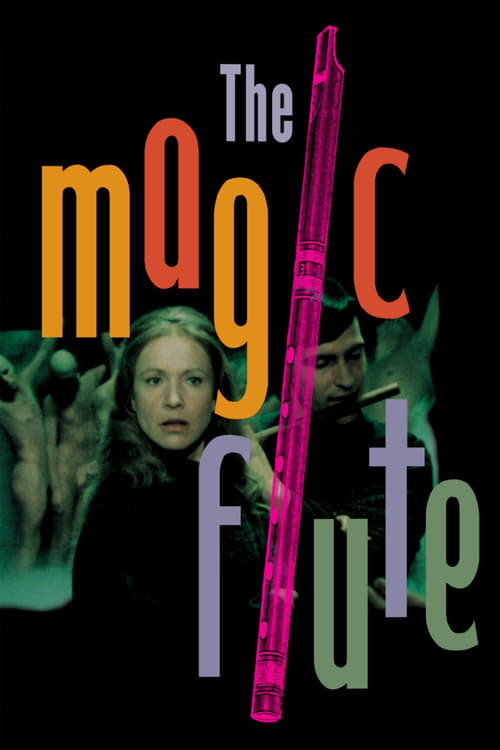
1975
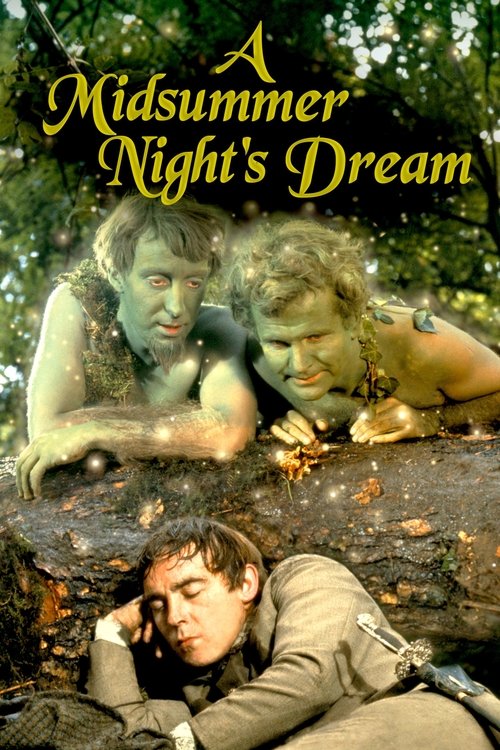
1968
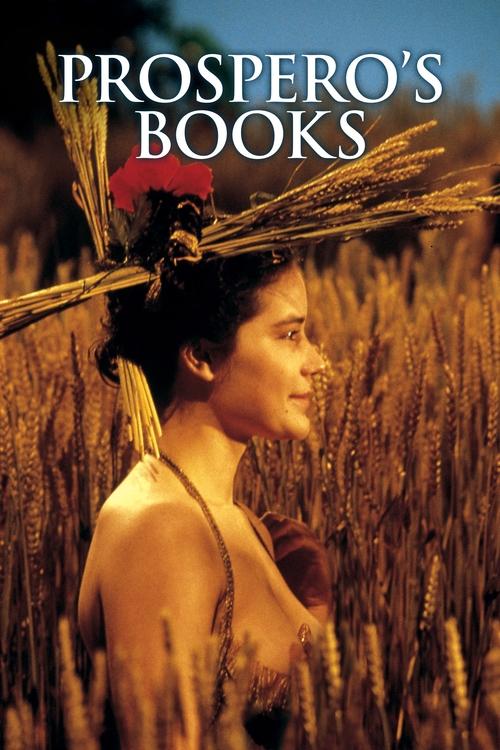
1991
No reviews yet. Be the first to share your thoughts on this movie!
Use the rating form above to leave a star rating and optional review.