
Princess Raccoon
2005
No user ratings available yet
Representation score: 5.4 out of 10
Representation Score
Fair
1959
Director
Keigo Kimura
Runtime
84 minutes
Average Rating
No ratings yetNew Showbiz Analysis
Enchanted Princess uses traditional tanuki folklore to explore themes of identity and social displacement. While it does not explicitly advocate for modern multi-layered values, the narrative structure challenges established royal protocols and social hierarchies. The film's strength lies in its subversion of gendered expectations. By centering a character who makes self-determined choices rather than adhering to submissive roles, it provides a more active female protagonist than typical period pieces. However, the film remains limited by its traditional romantic structures and ethnic homogeneity. It operates within a specific cultural framework that does not extend into explicit queer or disability representation.
Category Breakdown
The film does not explicitly depict LGBTQ+ identities. The romantic storyline follows a conventional path between the main character and the Prince.
Okuro actively navigates social hierarchies and drives the romantic resolution, challenging the passive female roles often seen in period fantasies.
The film presents a culturally specific non-Western perspective through Japanese folklore. The use of anthropomorphic characters helps distance the story from Western human-centric cinema.
The narrative explores tensions between class structures and social stratification, offering a mild critique through its comedic lens.
There is no visible evidence regarding the portrayal of physical or neurodivergent disabilities.
Present on Screen
Limited or Absent
Official Synopsis
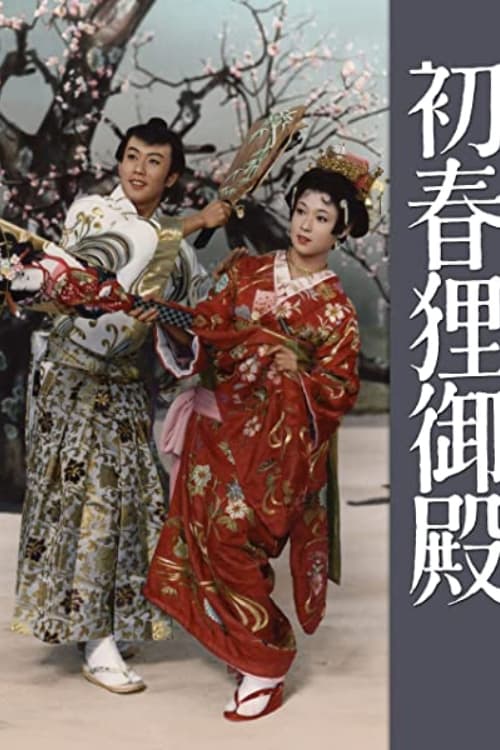
Once upon a time, Okuro (Ayako Wakao), a young female racoon, lived poorly with her drunken father. One day after they disguised themselves as parasols, they were wrongly brought to the Racoon Palace, where the young racoon princess (also Ayako Wakao) made a mess of her arranged marriage with the beautiful racoon prince (Raizô Ichikawa). Pretty princess ran away. In order not to spoil the promising marriage, people tried to make use of resemblances between Okuro and the princess. Before long, Okuro and the Prince fell in love with each other...
2005
1970
1933
1980
1968
1994
1970
2001
No reviews yet. Be the first to share your thoughts on this movie!
Use the rating form above to leave a star rating and optional review.