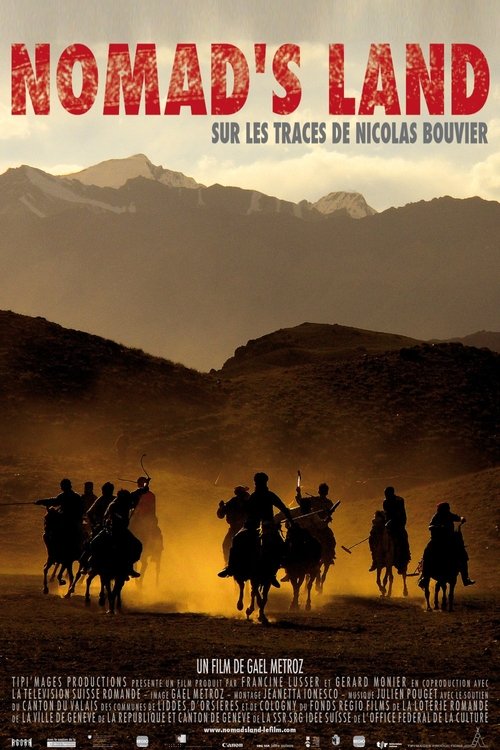
Nomad's Land: In the Footsteps of Nicolas Bouvier
2008
No user ratings available yet
Representation score: 5.7 out of 10
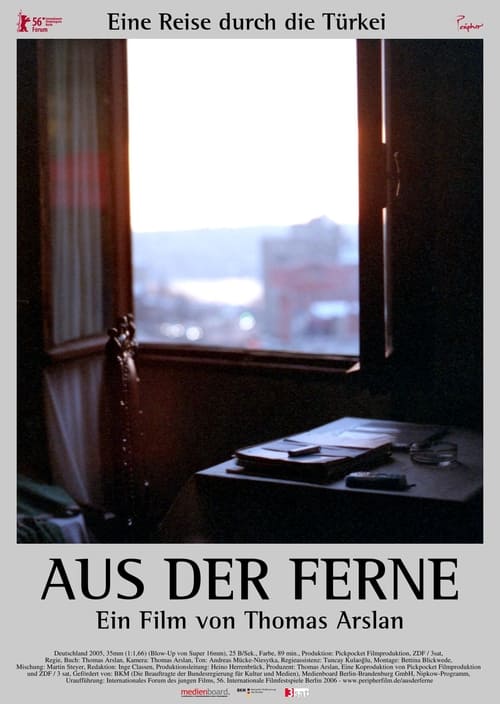
Representation Score
Good
2006
Director
Thomas Arslan
Runtime
89 minutes
Average Rating
No ratings yetNew Showbiz Analysis
Thomas Arslan’s documentary succeeds as a deconstruction of the orientalist gaze. By moving from urban centers to the easternmost territories, the film replaces geopolitical clichés with granular, lived experiences. It effectively dismantles monolithic cultural identities through a geographic progression that centers local ability to act. However, the film's observational nature limits its impact on specific identity politics. While it avoids forced narratives, it lacks the character-driven depth required to provide meaningful visibility for LGBTQ+ or disabled individuals. Ultimately, the work is a sophisticated disruption of the tourist gaze. It prioritizes authentic, unpolished reality over Western-friendly narratives of stability, making it a significant piece of observational cinema.
Category Breakdown
The documentary does not include explicit LGBTQ+ character arcs or romantic depictions. It maintains a neutral stance without promoting assumptions that everyone is straight or cisgender, but provides no specific visibility for these identities.
The film captures women in various social and economic roles through its observational lens. This approach subtly challenges stereotypes of Eastern femininity, though representation remains observational rather than character-driven.
The film excels by highlighting the vast ethnic spectrum across Turkey. By focusing on southeastern regions like Diyarbakir and Van, it centers identities often sidelined in Western media.
The narrative challenges Western-centric perceptions by emphasizing a complex, localized reality. It avoids touristic depictions, prioritizing the unpolished, authentic experience of regions historically affected by conflict.
There is no discernible evidence regarding the portrayal of disability. No specific instances of neurodivergence or physical disability are identified as central to the travelogue's themes.
Present on Screen
Limited or Absent
Official Synopsis
Aus der Ferne is a personal travelogue, a documentary about a trip through Turkey. Thomas Arslan, who filmed the journey himself, undertook the trip in May/June 2005. The route takes him through Istanbul and Ankara to Gaziantep in the southeastern part of the country, from there further eastwards via Diyarbakir and Van to Dogubayazit near the Iranian border. The film describes moments during the journey that differ from the usual motifs that inform the image of present-day Turkey – from impressions of day-to-day life in such Western cities as Istanbul and Ankara all the way to regions in the country’s easternmost territory that were locked in battle until recently.
2008
1983
1991

2017
1964
2017
2017
2019
No reviews yet. Be the first to share your thoughts on this movie!
Use the rating form above to leave a star rating and optional review.