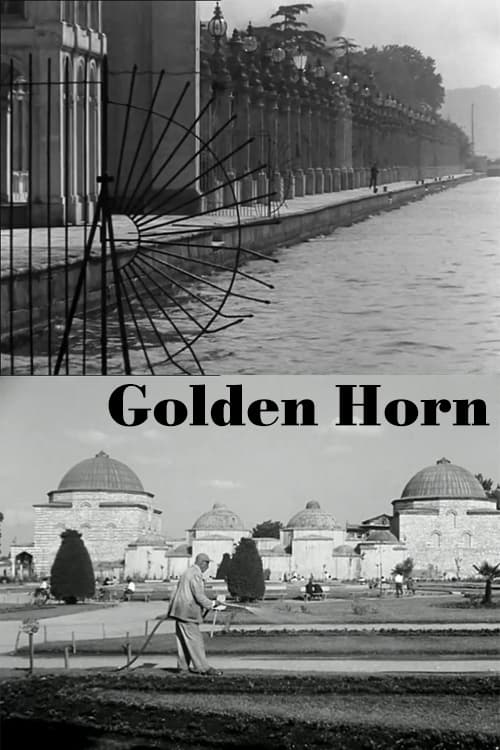
Golden Horn
1964
No user ratings available yet
Representation score: 4.0 out of 10
Representation Score
Fair
1964
Director
Maurice Pialat
Runtime
13 minutes
Average Rating
No ratings yetNew Showbiz Analysis
Maurice Pialat’s documentary succeeds by treating Istanbul as a multifaceted crossroads rather than a single entity. By emphasizing the friction between history and modernity, the film avoids the simplified Western perspectives common in mid-century cinema. The work excels in its depiction of ethnic and cultural coexistence, presenting a rich, non-Western environment. This multicultural focus provides a strong foundation for its diversity score. However, the film lacks specific focus on individual identities, such as LGBTQ+ narratives or disability representation. It remains a broad sociological profile rather than a character-driven study of underrepresented groups.
Category Breakdown
The documentary observes the urban landscape without focusing on LGBTQ+ identities. It serves as a sociological study rather than a narrative exploration of sexual orientation.
The film highlights the experiences of women in the 1960s urban setting. It avoids reinforcing patriarchal structures by showing inhabitants in their natural, unscripted social environments.
Istanbul is portrayed as a multicultural city bridging Europe and the East. The film avoids uniformity by showcasing the coexistence of various ethnic identities.
The film challenges Western-centric views by presenting the city through a layered, subjective lens. It emphasizes the tension between historical traditions and modern progress.
There is no specific evidence regarding the portrayal of individuals with disabilities. The observational study focuses on the city's broader social and architectural textures.
Present on Screen
Limited or Absent
Official Synopsis
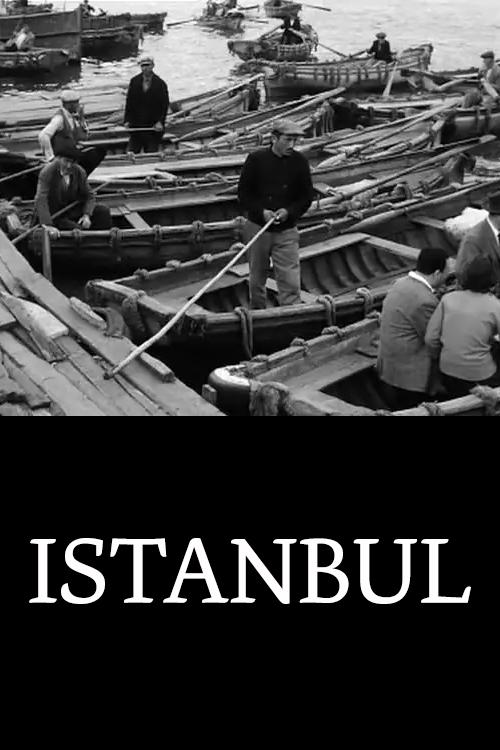
All of Pialat's Turkish films are uniquely interested in the country — especially Istanbul — as it was, not just as it is at the precise moment that Pialat is filming it. History informs these films in a big way, with the voiceover narration (which incorporates excerpts from various authors) introducing tension between the images of the modern-day city and the descriptions of incidents from its long and rich history. Istanbul is probably the most conventional documentary of Pialat's Turkish series, providing a general profile of the titular city, its different neighborhoods, and the different cultures and ways of living that coexist within its sprawling borders. As the other films in the series also suggest, Pialat sees Turkey, and Istanbul in particular, as a junction point between Europe and the East, between the old and the new, between history and modernity.
1964

1985
1991

1927
1985

2017
1996
2006
No reviews yet. Be the first to share your thoughts on this movie!
Use the rating form above to leave a star rating and optional review.