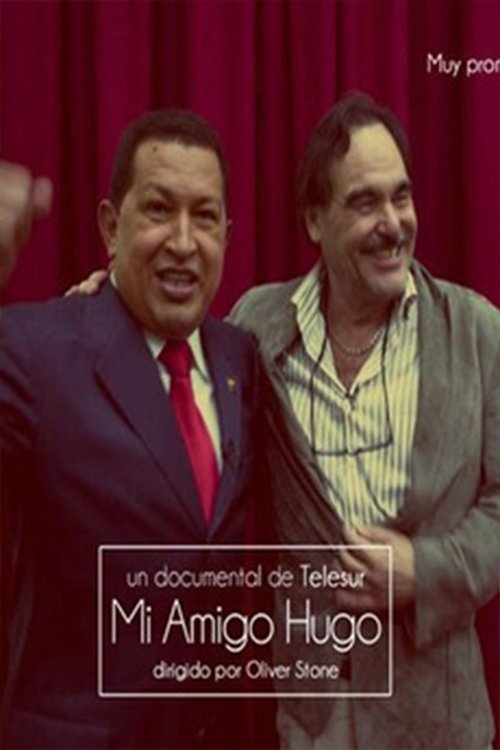
My Friend Hugo
2014
No user ratings available yet
Representation score: 6.0 out of 10
Representation Score
Good
2009
Not RatedDirector
Oliver Stone
Runtime
102 minutes
Average Rating
No ratings yetNew Showbiz Analysis
Oliver Stone’s documentary dismantles the Western perspective by offering a localized view of power. By prioritizing Latin American voices and leaders, it challenges the dominance of Northern-centric reporting. While the film excels in racial and cultural representation, it falls short in addressing LGBTQ+ identities and disability issues, resulting in a balanced but uneven distribution of diversity. Overall, the film stands as a significant piece of media that critiques Western hegemony, moving beyond simple inclusion to offer a systemic critique of how the West shapes perceptions of the Global South.
Category Breakdown
The documentary does not feature any LGBTQ+ character arcs or narratives focusing on non-straight identities. Instead, it focuses on larger political structures and leadership.
The film highlights the disproportionate impact of systemic violence and cartel influence on women during political upheaval. It draws attention to the unique struggles faced by female populations.
The documentary centers Latin American voices and local citizens, breaking away from the typical Western perspective of outsiders observing from afar.
The narrative employs a post-colonial lens to critique Western institutional influence, presenting a nuanced view of moral relativism that challenges Northern-centric ethics.
The film does not significantly address visible or invisible disabilities, maintaining its focus on political ability to act and socio-economic conditions.
Present on Screen
Limited or Absent
Official Synopsis
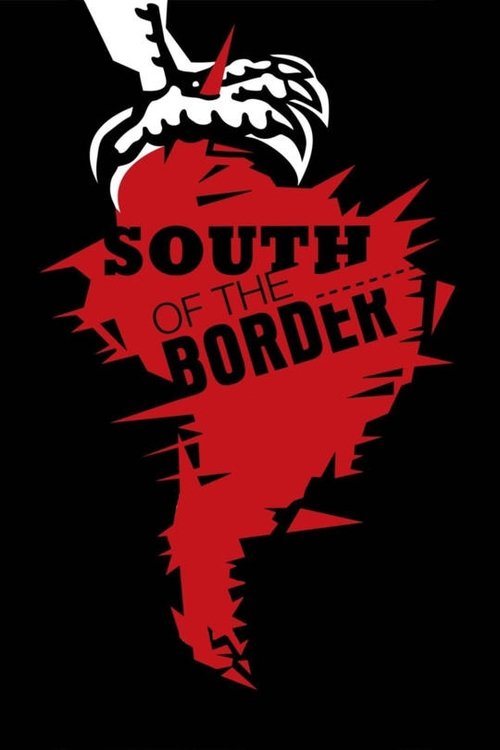
A road trip across five countries to explore the social and political movements as well as the mainstream media's misperception of South America while interviewing seven of its elected presidents.
2014

2017
2003

2012
2004

2019
2004
2020
No reviews yet. Be the first to share your thoughts on this movie!
Use the rating form above to leave a star rating and optional review.