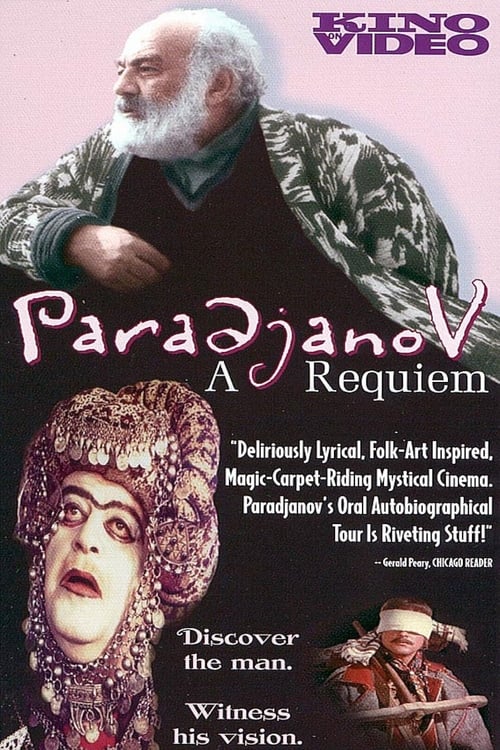
Paradjanov: A Requiem
1994
No user ratings available yet
Representation score: 6.4 out of 10
Representation Score
Good
1992
Director
Sergei Parajanov, Mikhail Vartanov
Runtime
60 minutes
Average Rating
No ratings yetNew Showbiz Analysis
The documentary serves as a strong reminder of Armenian identity, resisting Soviet attempts to erase it. Its visual style resists a uniform, state-approved look. While the film excels in showcasing ethnic and regional identities, it primarily focuses on male intellectualism. The emphasis on the bond between two men limits the range of gender perspectives. Overall, the film works to bring back a legacy that was suppressed. It uses visual techniques to evoke a spirit that was once targeted by rigid institutions.
Category Breakdown
The film honors the work of a creator who challenged Soviet assumptions about straight relationships. Although it doesn't show intimate moments between LGBTQ individuals, it brings back a voice that was previously sidelined.
The story focuses on male creativity and friendship. It avoids typical domestic stories but doesn't give much space to women or challenge gender roles.
This film stands out for preserving ethnic traditions. By highlighting Caucasian and Eastern cultures, especially Armenian, it resists blending and emphasizes local identities.
The documentary shows the tension between individual artists and the Soviet state. It celebrates personal morality and artistic expression over state-imposed rules.
There is no significant depiction of physical or neurodivergent disabilities in the film.
Present on Screen
Limited or Absent
Official Synopsis
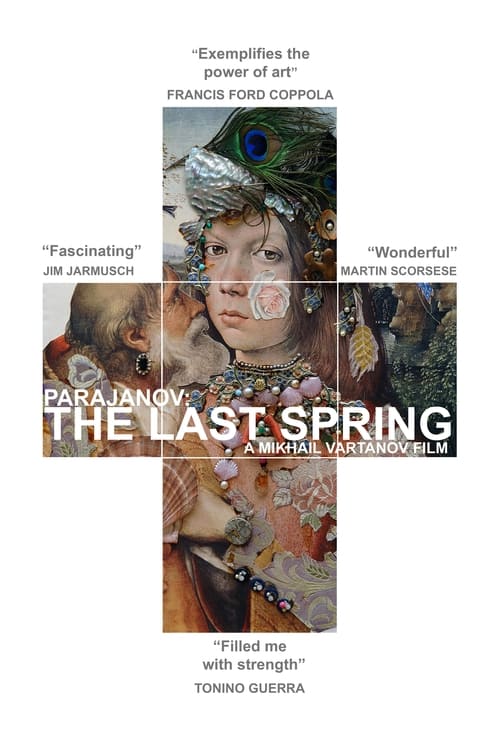
Made in wartime and edited in candlelight, Vartanov's rarely-seen masterpiece tells about his friendship with the genius Parajanov who was imprisoned by KGB "at the height of his fame ". Vartanov resurrects the riveting scenes from his banned 1969 film The Color of Armenian Land, where Paradjanov concocts the chef-d'oeuvre The Color of Pomegranates - widely regarded as one of the greatest films of all time - then reveals the shocking request Parajanov sent him in unpublished 1974 letters from Ukrainian prisons. Vartanov's camera documents Parajanov's staggering last day at work in 1990 during the making of the unfinished Confession - which survives in The Last Spring - as Parajanov comments on this cherished autobiographical film. The foremost achievement of The Last Spring, emphasized by critics, is Vartanov's exquisite wordless montage that "evoked the very soul" of Parajanov and earned the praise of many of cinema's greatest masters, such as Martin Scorsese and Francis Ford Coppola.
1994
2011
2004
2008
2009
1987
1985
1969
No reviews yet. Be the first to share your thoughts on this movie!
Use the rating form above to leave a star rating and optional review.