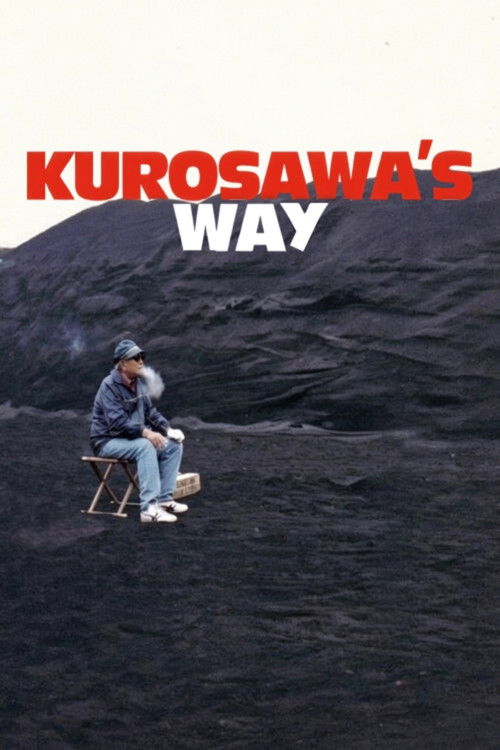
Kurosawa's Way
2011
No user ratings available yet
Diversity score: 6.0 out of 10

1999
Director
Alex Cox
Runtime
50 minutes
Average Rating
No ratings yetSynopsis
A profile and history of film director Akira Kurosawa.
Overall Score
Good
Category Breakdown
LGBTQ+ Representation
The documentary maintains a neutral baseline for the genre. It lacks explicit evidence of queer-coded narratives or specific identity-driven arcs.
Gender Representation
The film examines Kurosawa’s relationship with gender dynamics and his use of archetypal female characters. It analyzes how gendered power structures functioned within the mid-20th-century Japanese film industry.
Racial & Ethnic Diversity
This work centers on a non-Western icon to disrupt Western-centric film history. It provides significant agency to a non-Anglo-Saxon perspective by elevating Japanese cinematic mastery.
Religious & Cultural Diversity
The narrative explores the intersection of Japanese tradition and the global cinematic landscape. It promotes a multi-polar view of cultural value by focusing on a master of world cinema.
Disability Representation
There is no specific evidence regarding the portrayal of physical or neurodivergent disabilities in this documentary.
Strengths
Areas for Improvement
AI Analysis
Alex Cox delivers a documentary that serves as a vital piece of cultural preservation. By centering the life of Akira Kurosawa, the film successfully shifts the cinematic focus away from Western dominance and validates non-Western artistic philosophies. The documentary excels at disrupting traditional hierarchies of prestige cinema. It provides a platform for Japanese cinematic mastery, offering a necessary counter-perspective to the standard Anglo-centric film canon. However, the biographical nature of the film limits its exploration of specific identity-based agency. While it provides deep cultural context, it lacks explicit focus on LGBTQ+ or disability representation.
2011

2009

1995
2021

2000

1998

1983

2008

1994

2015

2002
2010
No reviews yet. Be the first to share your thoughts on this movie!
Use the rating form above to leave a star rating and optional review.