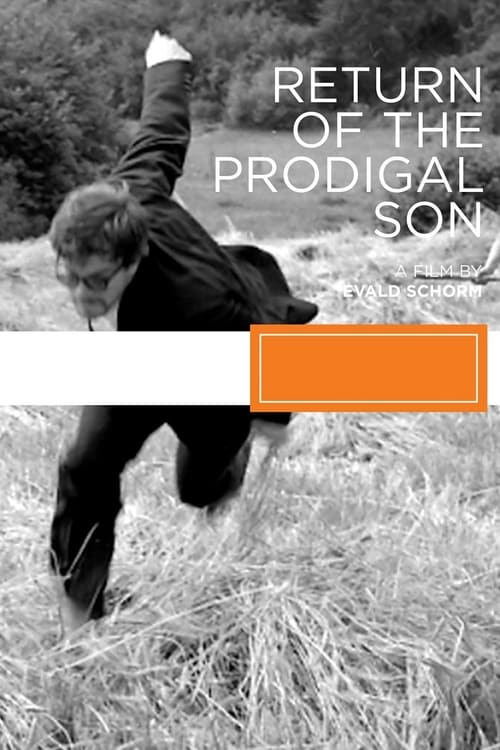
The Return of the Prodigal Son
1967
No user ratings available yet
Diversity score: 4.4 out of 10

1970
Director
Georges Franju
Runtime
90 minutes
Average Rating
No ratings yetSynopsis
Serge Mouret is a frail and devout young priest in a tough country parish. When he falls down and loses his memory, he is nursed back to health by Albine, the beautiful carefree niece of the outspoken atheist Jeanbernat. After Serge and Albine fall in love, Serge recovers his memory and realizes the grave sin he has committed.
Overall Score
Limited
Category Breakdown
LGBTQ+ Representation
The film lacks LGBTQ+ characters or non-cisnormative identities. The plot focuses entirely on the heteronormative relationship between the priest and Albine.
Gender Representation
Gender dynamics remain traditional, with the male protagonist driving the psychological conflict. Albine acts as a catalyst for his desire but lacks independent agency.
Racial & Ethnic Diversity
The setting reflects the demographic homogeneity of a rural French parish. There is no evidence of non-white casting or diverse ethnic representation.
Religious & Cultural Diversity
The film offers a sophisticated critique of religious institutions. It prioritizes subjective morality and psychological realism over rigid dogma and clerical authority.
Disability Representation
The protagonist's physical frailty and memory loss drive the plot. These elements provide psychological depth but serve primarily as tools for character transformation.
Strengths
Areas for Improvement
AI Analysis
The film is a character study that prioritizes psychological realism over demographic variety. It succeeds in deconstructing religious authority, offering a nuanced look at the friction between dogma and human impulse. However, the narrative remains tethered to traditional structures. Demographically, the film is quite limited. It lacks LGBTQ+ representation and racial diversity, reflecting the homogeneous rural French setting of the era. The gender roles are also conventional, centering the male experience and using the female lead as a narrative device. Ultimately, the film's strength lies in its cultural critique rather than its identity-based representation. It challenges the sanctity of institutional roles through a secularized lens, even while maintaining a narrow social scope.
1967

1990
1966
2015

1980

1964
1987
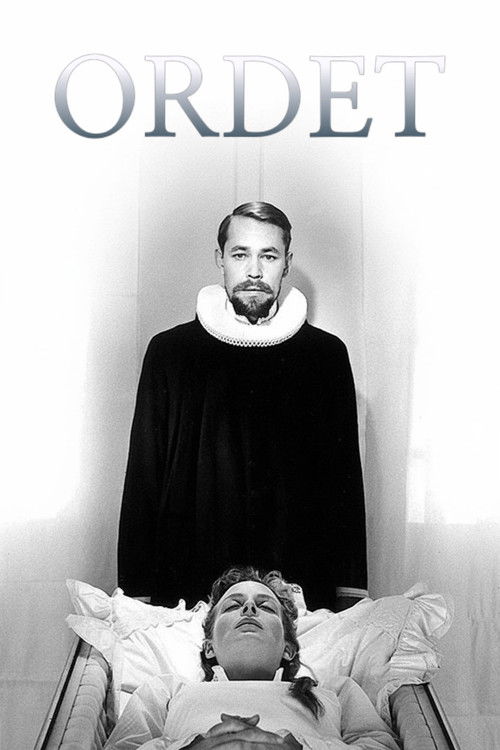
1955
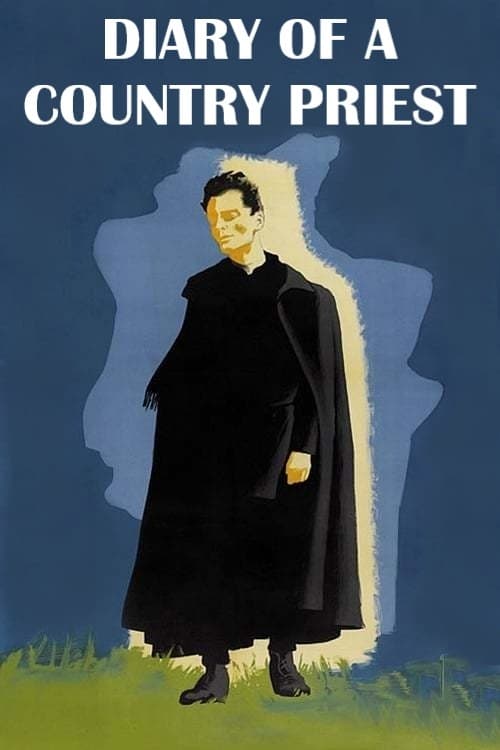
1951
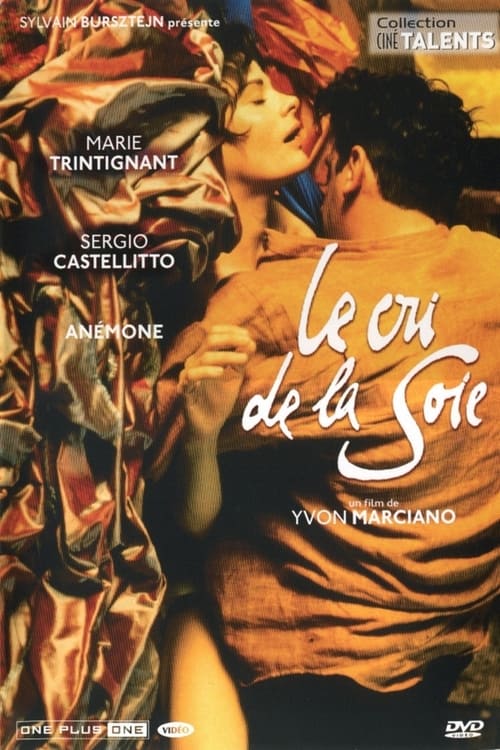
1996

1999
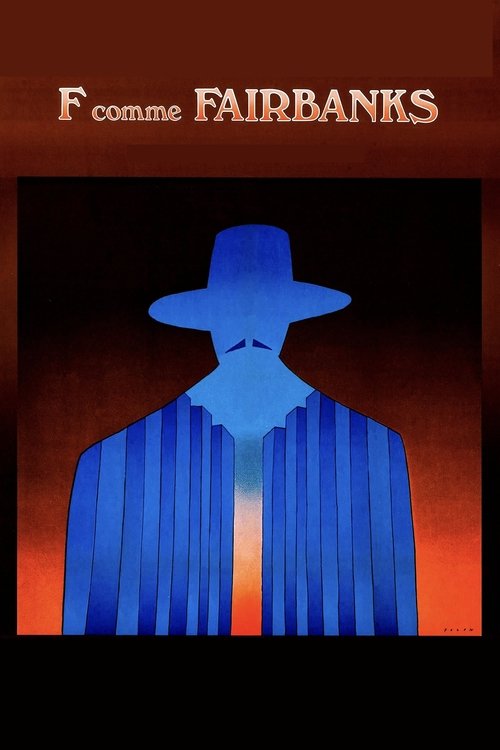
1976
No reviews yet. Be the first to share your thoughts on this movie!
Use the rating form above to leave a star rating and optional review.