Life for Life: Maximilian Kolbe
1991
No user ratings available yet
Diversity score: 2.2 out of 10
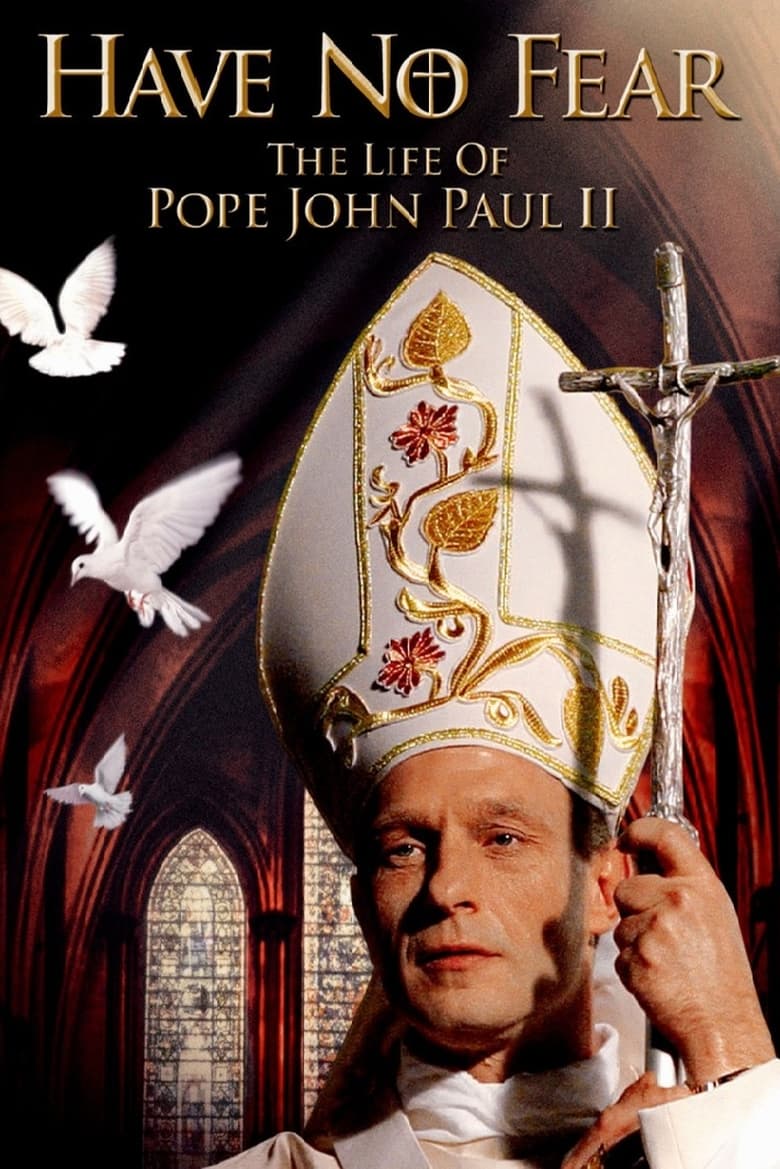
2006
Director
Jeff Bleckner
Runtime
90 minutes
Average Rating
No ratings yetSynopsis
The eventful life of a humble Polish priest who once decried the pomp of the Catholic Church "a circus" and labeled the Pope a "prisoner of the Vatican" before ascending to the papal throne to usher Catholicism into the 21st century. Born in Poland and forced to carry on following the untimely death of his family, Karol Wojtyla endured both personal hardships and the rape of his homeland by the Third Reich to spread the word of God through the Catholic Church. Later, as Pope John Paul II, Wojtyla was beloved by millions of Catholics worldwide. From the sexual-abuse scandal that shook the American Catholic Church in the later-20th century to the murder of Salvadoran Archbishop Oscar Romero and the near-fatal assassination attempt made on his own life, Pope John Paul II endured to bridge the gap between various faiths until his death resulting from Parkinson's disease in April of 2005.
Overall Score
Limited
Category Breakdown
LGBTQ+ Representation
The film adheres strictly to traditional theological and social frameworks. There are no depictions of non-cisnormative identities or narratives that challenge heteronormativity.
Gender Representation
The narrative centers on masculine leadership and spiritual authority. It reinforces patriarchal hierarchies by focusing almost exclusively on the agency of a male religious leader.
Racial & Ethnic Diversity
The cast is predominantly white and European, reflecting the historical context of 20th-century Poland. It lacks intentional intersectional casting or diverse racial perspectives.
Religious & Cultural Diversity
The film celebrates Western religious institutions and Christian morality. It portrays the Catholic Church as a source of stability rather than engaging in institutional critique.
Disability Representation
Parkinson's disease is depicted as a biographical milestone of physical decline. While providing visibility to a neurological condition, it follows traditional biographical tropes.
Strengths
Areas for Improvement
AI Analysis
This biographical drama functions as a conventional historical recount that prioritizes religious devotion and institutional continuity. The narrative architecture is designed to honor a specific historical figure through a lens of traditional values and resistance against totalitarianism. Because the film operates within established cultural frameworks, it reinforces existing social hierarchies rather than subverting them. The focus remains on the preservation of religious tradition and the singular authority of the subject.
1991
2014
2010
1951
1952
2010

1943
1944

2014

2002
2008
2010
No reviews yet. Be the first to share your thoughts on this movie!
Use the rating form above to leave a star rating and optional review.