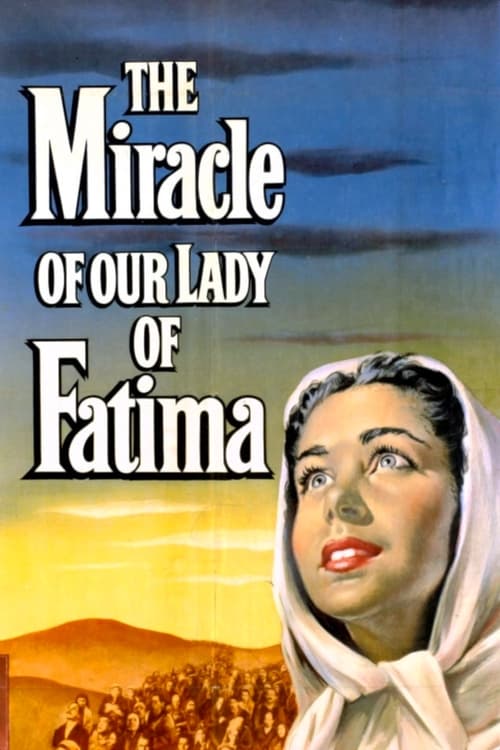
The Miracle of Our Lady of Fatima
1952
No user ratings available yet
Diversity score: 2.5 out of 10

2002
Director
Umberto Marino
Runtime
102 minutes
Average Rating
No ratings yetSynopsis
Depiction of the life of St. Anthony, beginning with his initial calling to the priesthood as a young Portugese nobleman, and following him as he becomes a Franciscan monk and preaches across Africa and Europe.
Overall Score
Limited
Category Breakdown
LGBTQ+ Representation
The film focuses on the ascetic life and religious vocation of a historical figure. It adheres to traditional monastic structures without depicting non-cisnormative identities or same-sex intimacy.
Gender Representation
The narrative centers on a male protagonist navigating patriarchal religious institutions. It reinforces traditional masculine leadership roles inherent to 13th-century priesthood and monastic orders.
Racial & Ethnic Diversity
The protagonist's Portuguese origins and travels through Africa and Europe offer moderate potential for ethnic diversity. However, the film likely reflects Eurocentric perspectives common to period dramas.
Religious & Cultural Diversity
The story prioritizes singular Christian morality and the sanctity of Catholic institutions. It celebrates religious devotion and historical tradition rather than critiquing established spiritual authority.
Disability Representation
There is no evidence regarding the depiction of neurodivergence, physical disabilities, or chronic illness within the film's narrative.
Strengths
Areas for Improvement
AI Analysis
Saint Anthony: The Miracle Worker of Padua functions as a traditional hagiographic drama. It prioritizes historical and religious fidelity over the deconstruction of social hierarchies or intersectional storytelling. The film reinforces established religious and social structures. By focusing on the life of a Catholic saint, the narrative upholds spiritual orthodoxy and traditional Western institutional values. While the protagonist's travels provide some geographic breadth, the film lacks the intentionality required to disrupt conventional tropes or provide nuanced representation of marginalized groups.
1952

2014
1944
2010

2020
2003
2008

2019
2015

2003
2010
2013
No reviews yet. Be the first to share your thoughts on this movie!
Use the rating form above to leave a star rating and optional review.