
Triumph of the Heart
2025
No user ratings available yet
Representation score: 2.3 out of 10
Representation Score
Limited
1991
Director
Krzysztof Zanussi
Runtime
90 minutes
Average Rating
No ratings yetNew Showbiz Analysis
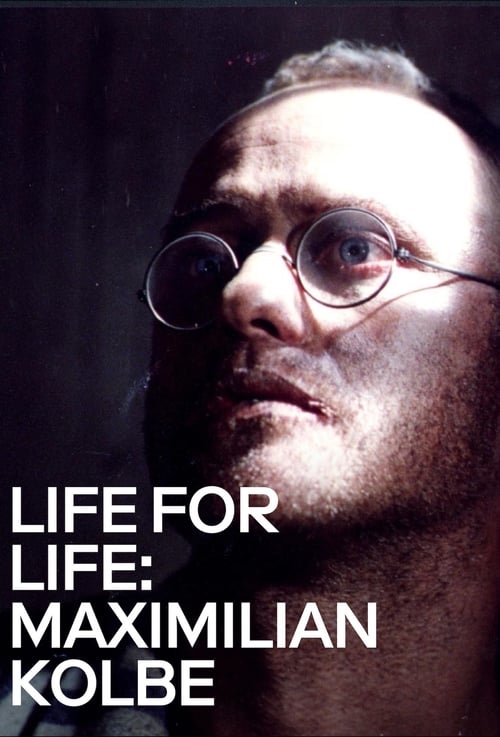
Life for Life: Maximilian Kolbe is a traditional biographical drama that prioritizes historical and religious fidelity. It centers on the martyrdom of a saint, aligning the narrative with established Western moral frameworks and religious institutions. The film's focus on the specific ethnic tensions of the Nazi occupation and the male-dominated environment of the Franciscan Order results in limited diverse social representation. It reinforces traditional values of sacrifice and faith rather than challenging existing hierarchies. Ultimately, the work highlights human resilience against oppression but adheres to historical homogeneity and religious authority, limiting its progressive representation.
Category Breakdown
The film focuses on the monastic life of a Franciscan friar and the horrors of a concentration camp. There are no representations of LGBTQ+ identities or same-sex intimacy.
The narrative centers around male-dominated spaces, such as the Franciscan Order and the male prisoner population. Female characters play minor roles and have limited influence on the plot.
The drama emphasizes Polish identity and the ethnic persecution of Poles during Nazi occupation. The cast remains largely homogeneous to maintain historical accuracy.
The story is deeply rooted in the Catholic Church and the Franciscan Order. These institutions are portrayed as central sources of moral authority and stability.
Physical suffering and bodily degradation are central to the depiction of life in the camp. These portrayals highlight systemic cruelty rather than exploring disabilities in depth.
Present on Screen
Limited or Absent
Official Synopsis
The story of catholic saint Maximilian Kolbe (1894-1941), who volunteered to die in place of a stranger in the Nazi concentration camp of Auschwitz.
2025

1989

2019

2009

2000

1999
2020

1997
No reviews yet. Be the first to share your thoughts on this movie!
Use the rating form above to leave a star rating and optional review.