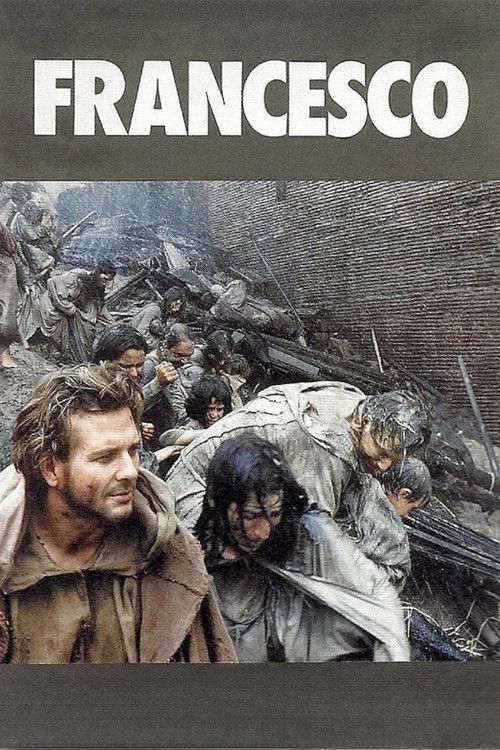
Francesco
1989
No user ratings available yet
Representation score: 2.2 out of 10
Representation Score
Minimal
2010
Director
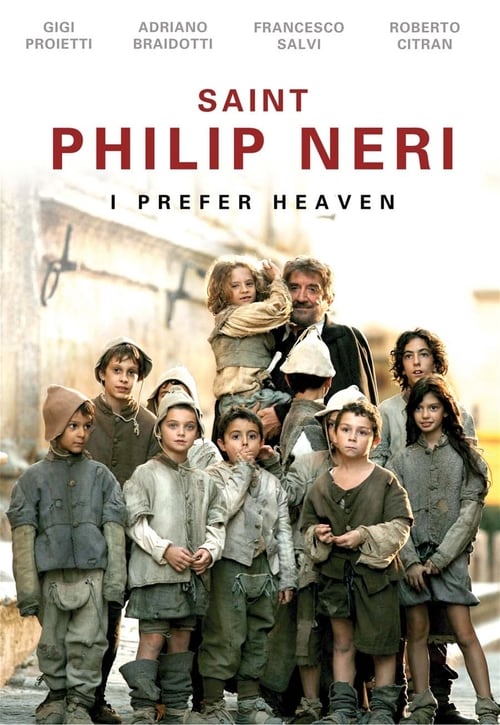
Giacomo Campiotti
Runtime
200 minutes
Average Rating
No ratings yetNew Showbiz Analysis
This biographical drama serves as a hagiographic study that prioritizes historical authenticity and spiritual orthodoxy. The narrative structure aims to reinforce established religious hierarchies and classical moral frameworks rather than disrupting social expectations. The film adheres to the traditional paradigms of its 16th-century setting. It emphasizes obedience to divine providence and the stability of the Catholic Church, focusing on the spiritual mission of the Oratory within the existing social order. Ultimately, the production steers clear of contemporary identity-driven narratives, validating established power dynamics through the lens of spiritual vocation and institutional stability.
Category Breakdown
The film does not include any representation of LGBTQ+ identities. It focuses on the clerical life and social structures of the Renaissance era, which are centered around heterosexual relationships.
The story revolves around male clerics and their interactions. It lacks significant female influence or the subversion of traditional male leadership roles.
The cast is primarily white and European, reflecting the demographics of 16th-century Italy. There is no indication of actors being cast in roles traditionally associated with different ethnicities.
The film highlights traditional Western and religious institutions by emphasizing the Catholic Church. It upholds a singular Christian morality and underscores the importance of religious authority.
The film does not focus on neurodivergent or physically disabled individuals. The protagonist assists the poor, but these characters are portrayed as recipients of charity rather than agents with their own stories.
Present on Screen
Limited or Absent
Official Synopsis
One of the most popular saints of all time, St. Philip Neri was widely known for his great charity, deep prayer life, and tremendous humor. Hoping to join St. Ignatius of Loyola's new order of Jesuits and be a missionary to India, Philip was instead guided by Providence to seek out the poor and abandoned youth of Rome to catechize them in the faith and help them find a better life. He became the founder of the religious congregation, the Oratory, that worked with the youth and also labored to re-evangelize a decadent Rome.
1989
1950
2015
1972

2006

1943
1944
1991
No reviews yet. Be the first to share your thoughts on this movie!
Use the rating form above to leave a star rating and optional review.