
The Song of Bernadette
1943
No user ratings available yet
Representation score: 3.8 out of 10
Representation Score
Minimal
1952
NRDirector
John Brahm
Runtime
102 minutes
Average Rating
No ratings yetNew Showbiz Analysis
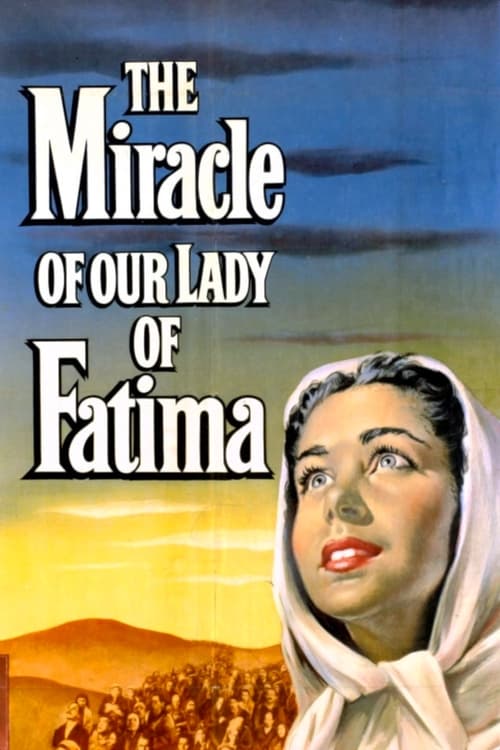
This biographical drama prioritizes historical and religious accuracy over the subversion of social hierarchies. The narrative structure is built on a traditional framework, focusing on the tension between religious devotion and state authority. The film functions as a period-accurate depiction of a specific cultural moment in Portugal. It reinforces established spiritual and cultural norms rather than exploring the complexities of diverse identities. Ultimately, the work promotes singular Christian morality, positioning religious institutions as the central pillars of the story.
Category Breakdown
The film follows the social and theological norms of its time. There are no representations of non-straight or non-cisgender identities, nor any narratives that challenge the assumption that everyone is straight or cisgender.
Lucia and Jacinta play significant roles in driving the plot. However, their influence is defined by their spiritual obedience rather than challenging gender hierarchies.
The casting reflects the demographic reality of rural Portugal in 1917. The film maintains a homogeneous European cast to ensure historical accuracy.
The narrative centers the Catholic Church as the ultimate source of truth. It reinforces traditional spiritual values and positions the anticlerical government as an obstacle to peace.
There are no prominent depictions of physical or neurodivergent disabilities used as central narrative drivers or plot devices.
Present on Screen
Limited or Absent
Official Synopsis
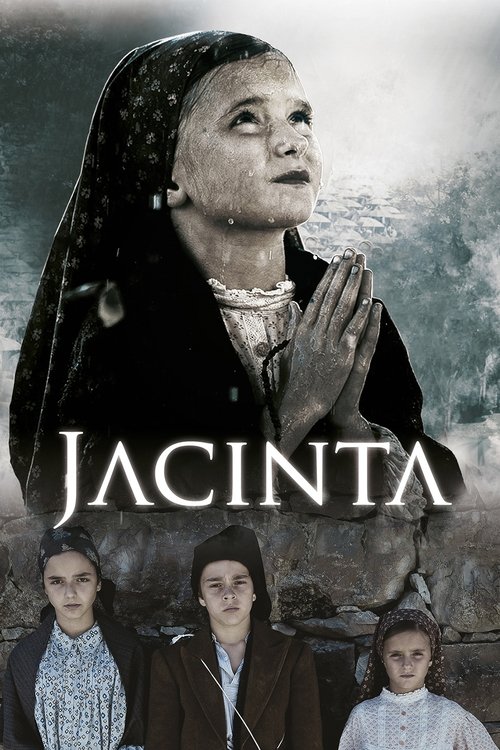
In 1917, three shepherd children living just outside Fatima, Portugal have visions of a lovely lady in a cloud. The anticlerical government wishes to squelch the Church; reports of religious experiences are cause for serious concern. Yet the children stand by their story, and the message of peace and hope the Lady brings. In the last vision, attended by thousands of people, the Lady proves her reality with a spectacular miracle that is seen by everyone present. Based on actual events at Fatima in the summer of 1917.
1943
2020
2018
1955
1995
1950
2017
2023
No reviews yet. Be the first to share your thoughts on this movie!
Use the rating form above to leave a star rating and optional review.