
Gambling House
1950
No user ratings available yet
Diversity score: 3.2 out of 10
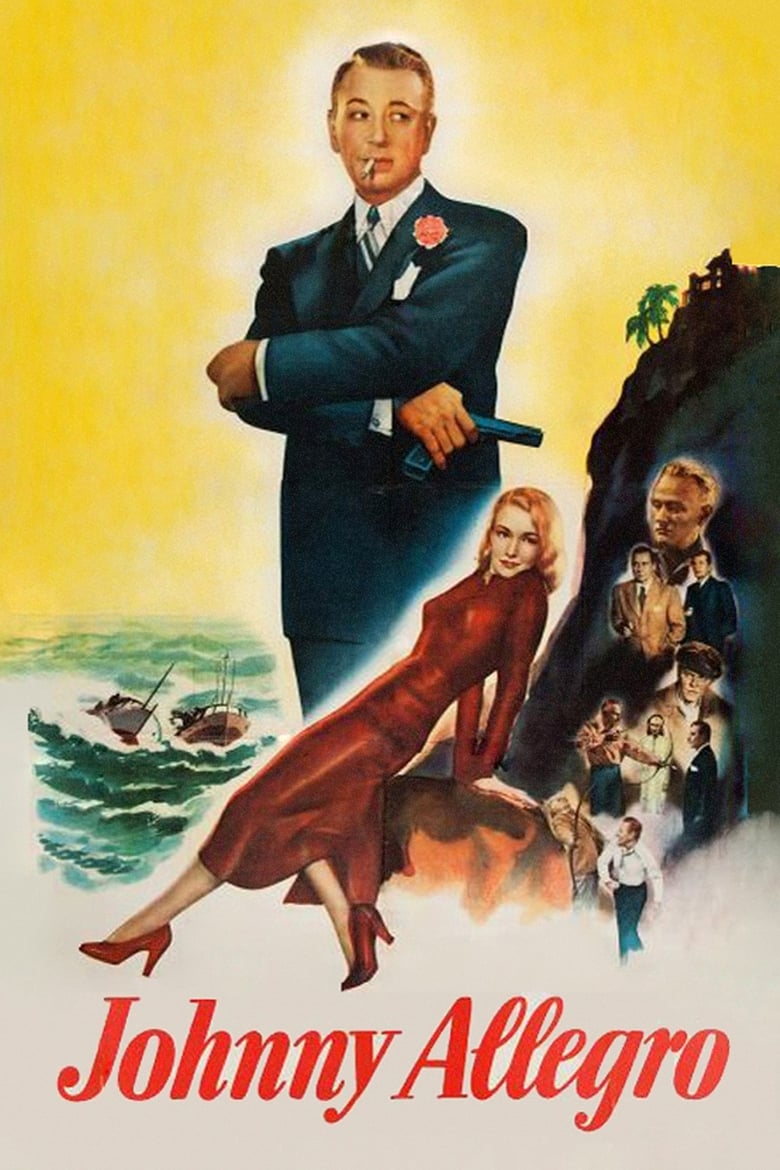
1949
NRDirector
Ted Tetzlaff
Runtime
81 minutes
Average Rating
No ratings yetSynopsis
Treasury Department officials recruit a florist (Raft) to lead them to a wanted criminal (Macready); but once he gets too close, he finds he's the hunted.
Overall Score
Minimal
Category Breakdown
LGBTQ+ Representation
The film adheres to the heteronormative social structures of the late 1940s. There is no evidence of non-cisnormative gender identities or same-sex intimacy.
Gender Representation
Female characters utilize the femme fatale archetype to drive the plot through deception. While they possess agency, it is often framed through sexual allure used to manipulate the protagonist.
Racial & Ethnic Diversity
The cast is predominantly white and Anglo-Saxon, reflecting the cinematic norms of the era. The narrative does not actively engage with racial diversity or intersectional identities.
Religious & Cultural Diversity
The story follows standard detective tropes within a mid-century Western espionage framework. It reinforces traditional notions of individualist heroism rather than deconstructing Western institutions.
Disability Representation
There are no discernible depictions of physical, sensory, or neurodivergent identities. Characters are presented through the lens of standard physical capability.
Strengths
Areas for Improvement
AI Analysis
Johnny Allegro functions as a quintessential product of its era, reinforcing the social and demographic hierarchies of 1949. The film lacks intentionality regarding intersectional representation, focusing instead on established noir mystery tropes. The narrative architecture prioritizes the individualistic struggle of a male protagonist within a traditional Western framework. This approach offers little to no disruption of conventional social or identity-based expectations. Ultimately, the film serves as a standard genre piece that mirrors the homogeneous demographic and social norms of the post-WWII period.
1950
1941
1957
1931
1934
1955
1934
1949
1956
1949
1955
1955
No reviews yet. Be the first to share your thoughts on this movie!
Use the rating form above to leave a star rating and optional review.