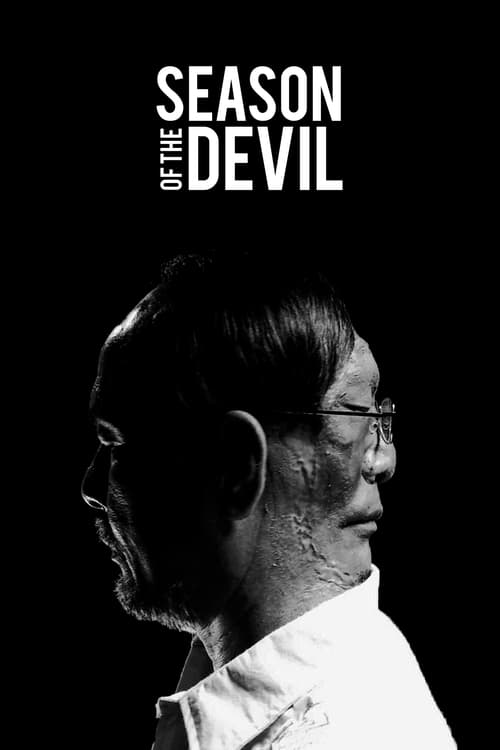
Season of the Devil
2018
No user ratings available yet
Representation score: 8.1 out of 10
Representation Score
Good
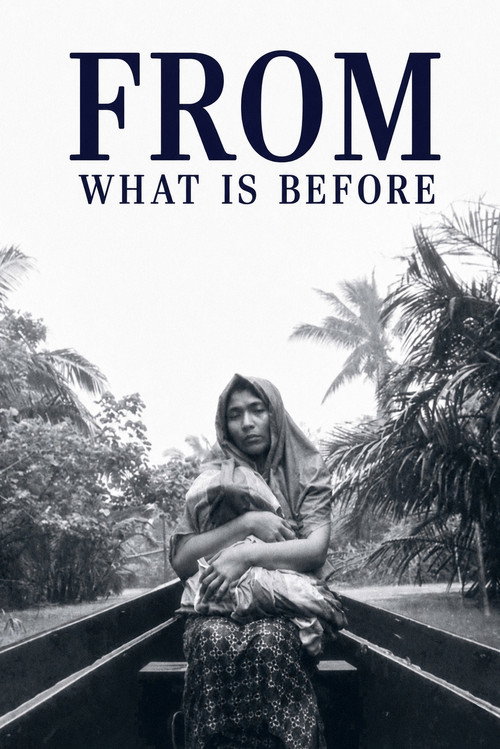
2014
TV-MADirector
Lav Diaz
Runtime
339 minutes
Average Rating
No ratings yetNew Showbiz Analysis
Lav Diaz uses a post-colonial narrative structure to reclaim Philippine history. The film excels by centering a non-Western population and deconstructing state-sanctioned narratives through a localized lens. However, the focus on historical trauma and survival limits the scope for other identities. The absence of explicit LGBTQ+ and disability-focused narratives moderates the overall diversity impact. Ultimately, the work is a powerful critique of institutional power, prioritizing racial and cultural authenticity over broad demographic representation.
Category Breakdown
The film focuses on communal and familial struggles in a rural barrio. There are no representations of non-straight or non-cisgender identities or same-sex relationships.
Women are shown with significant depth and emotional resilience. The film highlights their psychological responses to systemic violence rather than portraying them as passive background figures.
The film achieves exceptional representation by centering a Filipino cast. It prioritizes a localized perspective that challenges Western-centric cinematic dominance.
The narrative offers a profound critique of traditional power structures. It portrays state authority and Martial Law as oppressive forces that disrupt the communal fabric.
There is no prominent depiction of neurodivergence or physical disabilities. Physical and psychological traumas appear as consequences of political upheaval rather than explorations of disability identity.
Present on Screen
Limited or Absent
Official Synopsis
The Philippines, 1972. Mysterious things are happening in a remote barrio. Wails are heard from the forest, cows are hacked to death, a man is found bleeding to death at the crossroad, and houses are burned. Ferdinand Marcos announces Proclamation No. 1081, putting the entire country under martial law.
2018

1964
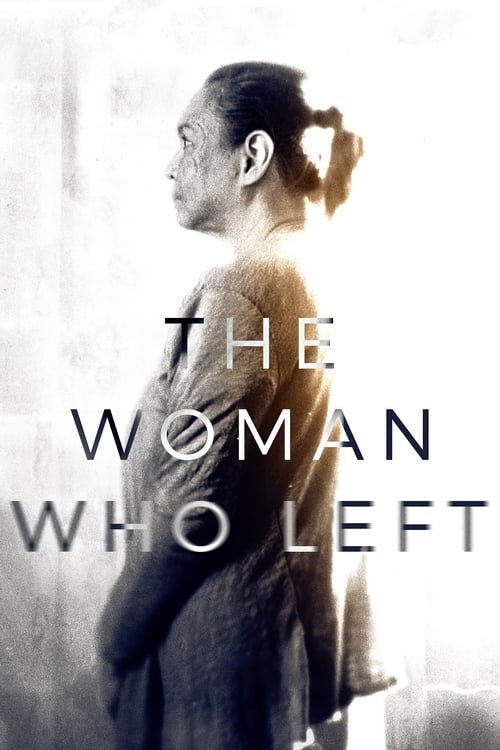
2016
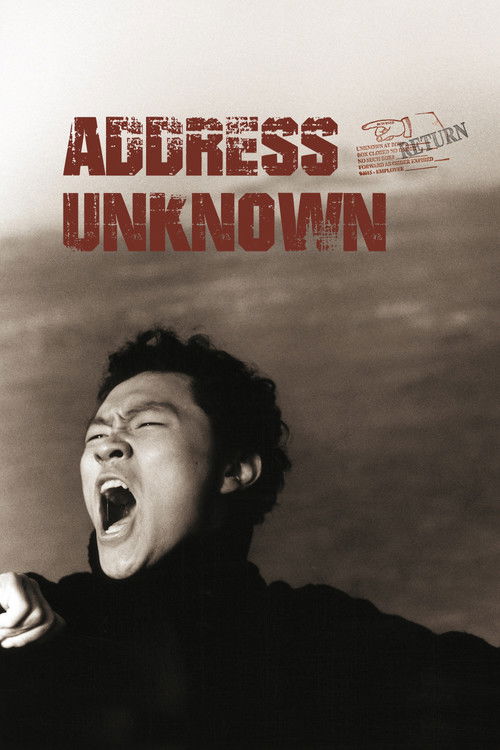
2001
2008
2009
2010

2016
No reviews yet. Be the first to share your thoughts on this movie!
Use the rating form above to leave a star rating and optional review.