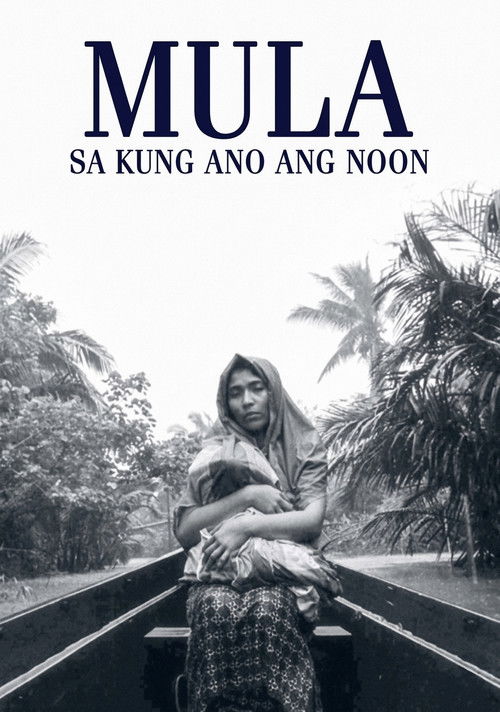
From What Is Before
2014
No user ratings available yet
Diversity score: 5.5 out of 10

2016
Director
Lav Diaz
Runtime
17 minutes
Average Rating
No ratings yetSynopsis
In the year 2050, the Philippines braces for the coming of the fiercest storm ever to hit the country. And as the wind and waters start to rage, poets wander the streets.
Overall Score
Good
Category Breakdown
LGBTQ+ Representation
The film lacks explicit confirmation of queer identities or romantic pairings. However, the dystopian setting provides a potential canvas for exploring non-normative identities under systemic pressure.
Gender Representation
The focus on murdered poets suggests a subversion of traditional masculine roles. Characters appear driven by intellectual and creative agency rather than patriarchal archetypes.
Racial & Ethnic Diversity
The film is deeply rooted in the Philippine context, centering a Southeast Asian perspective. It disrupts Western-centric hegemony by placing a localized reality within the sci-fi genre.
Religious & Cultural Diversity
The narrative frames the apocalypse through systemic collapse and the loss of intellectual heritage. It prioritizes artistic truth over state-driven stability and traditional heroism.
Disability Representation
There is no evidence available to evaluate the portrayal of physical or neurodivergent disabilities in this work.
Strengths
Areas for Improvement
AI Analysis
Lav Diaz utilizes a speculative, dystopian setting to explore the fragility of culture during environmental catastrophe. By centering a Filipino perspective in a near-future 2050, the film decenters Western-centric narratives of progress and apocalypse. The narrative prioritizes the vulnerability of the intellectual class over technological spectacle. The targeted murder of poets serves as a metaphor for the systemic suppression of voice during periods of social upheaval. While the film excels at providing a non-Western lens on global genres, specific character data regarding gender and LGBTQ+ identities remains unconfirmed.
2014
2015

2018
2004

2016

2020
2008
2006

2002

1982

2008
2015
No reviews yet. Be the first to share your thoughts on this movie!
Use the rating form above to leave a star rating and optional review.