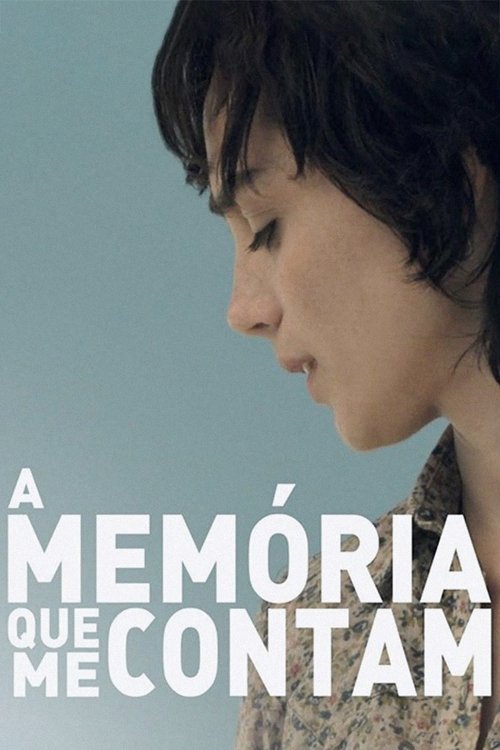
Memories They Told Me
2013
No user ratings available yet
Diversity score: 6.5 out of 10
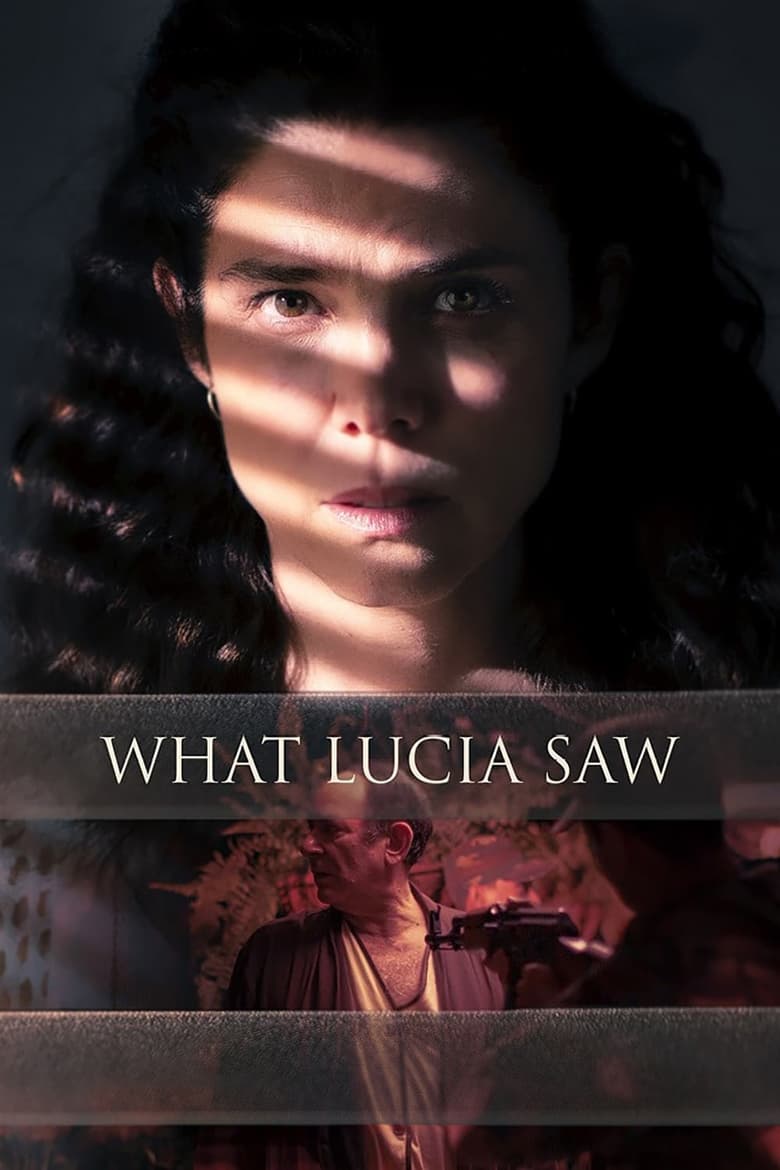
2022
Director
Imanol Uribe
Runtime
107 minutes
Average Rating
No ratings yetSynopsis
During a night of 1989, in the middle of the Salvadoran civil war, six Jesuit priests were murdered at the UCA University. The news has an immediate international repercussion since their contribution was key in the foreseeable peace agreement after a decade of bloody war. Who killed them? The government immediately blamed the guerrillas but an eyewitness debunked the official version. Her name is Lucía and she works as a cleaning employee at the UCA. She has seen who were the real killers: the army. Now she will have to choose between testifying for the truth or protecting her family.
Overall Score
Fair
Category Breakdown
LGBTQ+ Representation
Gender Representation
Racial & Ethnic Diversity
Religious & Cultural Diversity
Disability Representation
Strengths
Areas for Improvement
AI Analysis
What Lucia Saw succeeds in disrupting historical narratives by centering a marginalized female worker within a massive political crisis. By making a cleaning employee the most vital witness to state-sponsored violence, the film effectively challenges traditional power structures and the official government version of events. While the film excels at portraying local Salvadoran demographics and critiquing institutional corruption, it lacks depth in other areas of representation. There is no intentionality regarding LGBTQ+ identities, and disability is treated as a byproduct of trauma rather than a character-driven exploration. Ultimately, the film's strength lies in its subversion of authority. It shifts the focus from high-level political actors to the lived experiences of those caught in the crossfire of the Salvadoran Civil War.
2013
2015

2016
2018
2021
2016
2010
2015
2020
2019
2004
2007
No reviews yet. Be the first to share your thoughts on this movie!
Use the rating form above to leave a star rating and optional review.