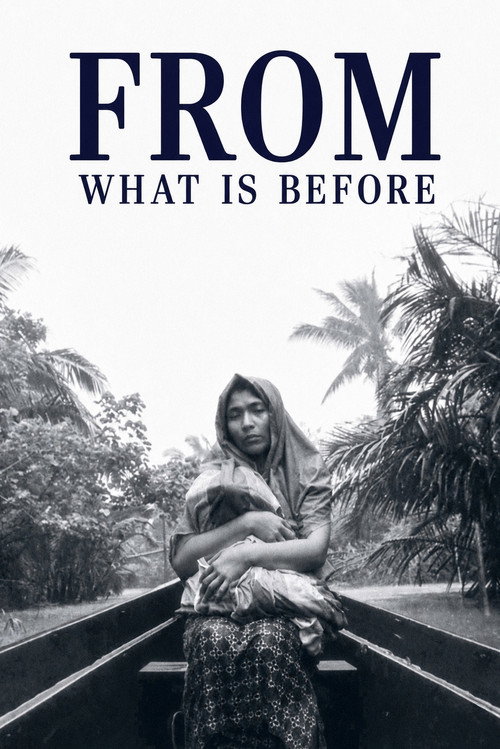
From What Is Before
2014
No user ratings available yet
Representation score: 7.3 out of 10
Representation Score
Excellent
2018
Not RatedDirector
Lav Diaz
Runtime
234 minutes
Average Rating
No ratings yetNew Showbiz Analysis
Lav Diaz’s film stands out for its authentic Filipino perspective that challenges Western cinematic norms. By focusing on local socio-political realities and female political resistance, the film provides a powerful critique of systemic oppression. Despite its strengths, the film falls short in representing diverse identities. It emphasizes traditional marriage structures and lacks LGBTQ+ representation. Additionally, while psychological trauma is a central theme, it is not explored through specific characters with disabilities. Overall, the film successfully elevates underrepresented political voices, though it adheres to more conventional boundaries when it comes to gender and disability representation.
Category Breakdown
The film centers around a heterosexual couple dealing with domestic and political issues. There is no indication of LGBTQ+ representation or non-cisgender identities among the main characters.
The movie breaks down traditional gender roles by highlighting the professional independence and political defiance of a female character named Lorena. Her disappearance sets off the main storyline.
The film features a predominantly Filipino cast and setting, providing a localized, non-Western perspective of the 1970s. It avoids Western-centric narratives to emphasize a genuine Filipino viewpoint.
The film critically examines state institutions and military hierarchies. It delves into how communal memory and propaganda shape historical truths in a post-colonial context.
The film addresses the psychological trauma resulting from state terror, presenting it as a societal issue. However, it lacks specific representation of individuals with physical or neurodivergent disabilities.
Present on Screen
Limited or Absent
Official Synopsis
In late 1970s Philippines, a military-controlled militia oppresses a remote village, spreading terror both physical and psychological. Fearless young doctor Lorena opens a clinic for the poor but disappears without a trace. Her activist poet husband sets out to find her.
2014
1989
2016
1985
2002
2014
2017

2008
No reviews yet. Be the first to share your thoughts on this movie!
Use the rating form above to leave a star rating and optional review.