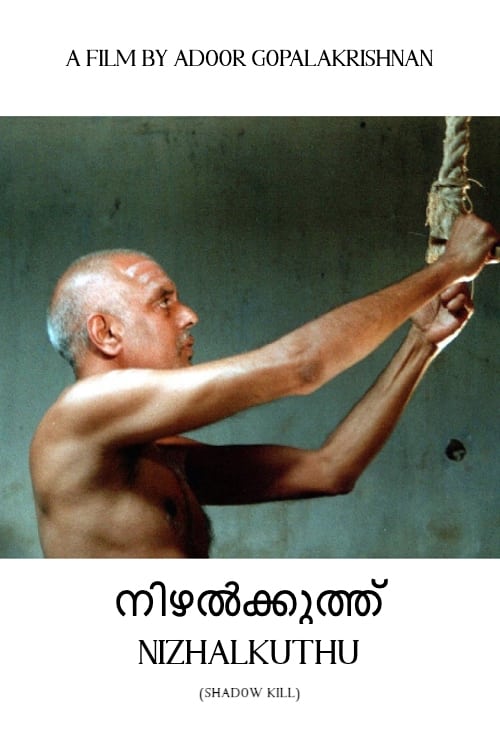
Shadow Kill
2002
No user ratings available yet
Representation score: 5.8 out of 10
Representation Score
Good
2014
TV-MADirector
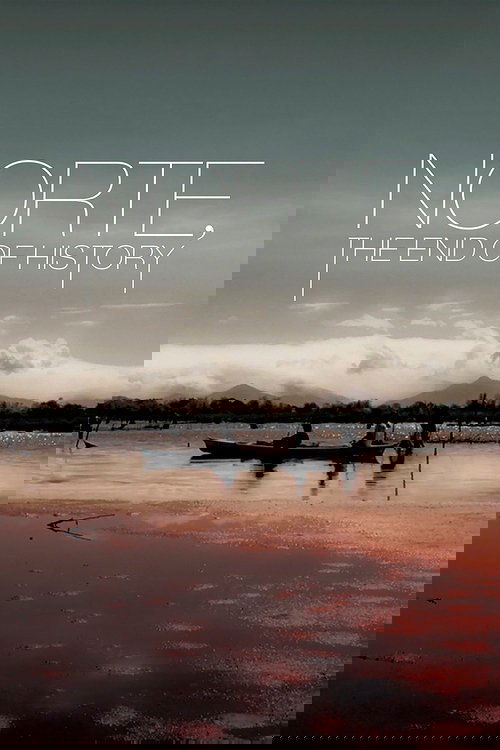
Lav Diaz
Runtime
250 minutes
Average Rating
No ratings yetNew Showbiz Analysis
Lav Diaz presents a profound exploration of post-colonial identity and historical trauma. By centering the lived experiences of the Global South, the film disrupts Western-centric storytelling through its authentic Filipino setting and socioeconomic focus. However, the work prioritizes political and anti-capitalist critique over conventional demographic representation, resulting in limited subversion of traditional gender hierarchies and roles. Ultimately, the film's strength lies in its intellectual depth, challenging institutional authority through the lens of systemic failure.
Category Breakdown
The film does not explicitly depict queer characters or stories. Instead, it focuses on the stoic interactions between male guerrillas and the struggles of domestic families.
Women are primarily shown through the lens of maternal resilience and redemption. The narrative centers heavily on male experiences of ideological struggle and labor issues.
The film offers authentic, localized representation by featuring a Filipino cast. It challenges Western-centric views by highlighting the socioeconomic realities of the rural working class.
The story critiques capitalist reintegration and state failures. It challenges triumphalist political narratives by presenting history as a period of stagnation for underrepresented communities.
Trauma and mental exhaustion are presented as themes of the human condition. The film does not specifically focus on neurodivergence or physical disabilities as key character traits.
Present on Screen
Limited or Absent
Official Synopsis
An embittered law student commits a brutal double murder; a family man takes the fall and is forced to take a harsh sentence; and a mother and her two children wander the countryside in search of some kind of redemption.
2002
1980
2009

2007
2006

2003
2013
2015
No reviews yet. Be the first to share your thoughts on this movie!
Use the rating form above to leave a star rating and optional review.