
Genus Pan
2020
No user ratings available yet
Representation score: 8.0 out of 10
Representation Score
Good
2015
Director
Lav Diaz
Runtime
540 minutes
Average Rating
No ratings yetNew Showbiz Analysis
Lav Diaz’s work serves as a profound exercise in decolonial aesthetics. By rejecting Western cinematic pacing, the film disrupts traditional temporal expectations and asserts a cultural identity independent of Anglo-centric norms. The film excels in racial and cultural representation by centering the lived experiences of the Filipino people. It uses the local landscape to confront post-colonial trauma and systemic failures. However, the focus is primarily on existential and systemic struggles rather than specific identity-based demographics.
Category Breakdown
The film does not focus on queer narratives or non-assuming gender matches what was assigned at birth identities. Instead, it centers on existential themes and the weight of mortality.
Gender portrayals are tied to the socioeconomic realities of rural Philippines. The film avoids hyper-masculinity by emphasizing shared vulnerability and emotional isolation among characters.
The film excels in authentic regional representation by featuring a Filipino cast. It rejects the Western perspective through localized storytelling and language.
The narrative critiques institutional stability and state failure. It explores how historical trauma and environmental disasters impact community structures.
The film delves into the psychological weight of grief and communal trauma. However, it does not specifically address visible or neurodivergent disabilities.
Present on Screen
Limited or Absent
Official Synopsis
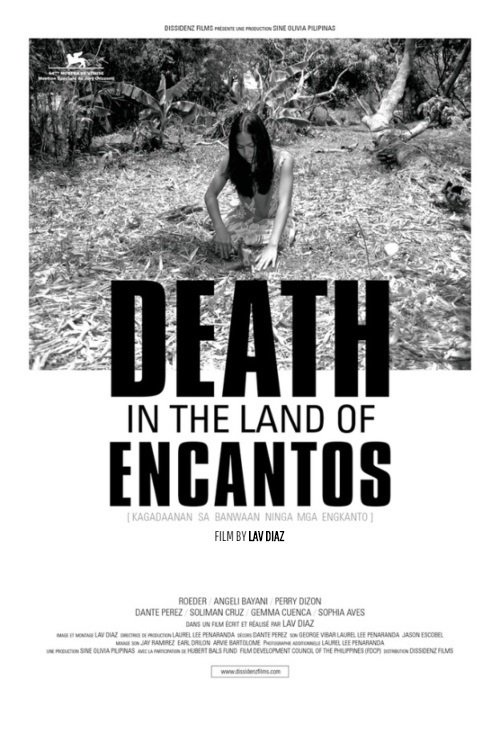
A poet hearkens back to his Philippine village after years abroad in Europe. Horrified to discover that the community has been buried under landslides, he wanders the countryside, reconnecting with friends, lovers, and family whose lives teeter on the brink of destruction.
2020

2019

2009
1992
2004

2006

2008

2011
No reviews yet. Be the first to share your thoughts on this movie!
Use the rating form above to leave a star rating and optional review.