
Creature from the Black Lagoon
1954
No user ratings available yet
Representation score: 2.0 out of 10

Representation Score
Minimal
1955
ApprovedDirector
Jack Arnold
Runtime
82 minutes
Average Rating
No ratings yetNew Showbiz Analysis
Revenge of the Creature operates as a typical mid-century genre piece that upholds the social and professional hierarchies of its time. The narrative prioritizes the tension between scientific advancement and human hubris over any exploration of identity. The film relies heavily on established clichés of authority and traditional gender dynamics. It functions as a foundational creature feature but lacks the depth needed to challenge the systemic norms of the 1950s. Ultimately, the work upholds the traditional paradigms of its era, offering little disruption to the era's traditionalist views on race, gender, or social structure.
Category Breakdown
The film does not depict any LGBTQ+ identities. Character dynamics follow the conventional social structures of the 1950s.
Male characters hold positions of authority, while females are often relegated to supporting roles, serving as assistants or secondary figures within a patriarchal structure.
The cast is predominantly white, reflecting the studio casting norms of the era. The narrative does not engage with the cultures associated with the creature's Amazonian origins.
The story focuses on the ethical boundaries of science without critiquing Western institutions. It lacks moral relativism or anti-establishment sentiment.
There is no intentional representation of neurodivergence or physical disabilities. The creature functions as a traditional monster cliché rather than a nuanced exploration of bodily difference.
Present on Screen
Limited or Absent
Official Synopsis
In a tributary of the Amazon, a monster – half-man, half-fish – is captured and placed in a reservoir in a Florida national park to be observed by scientists.
1954
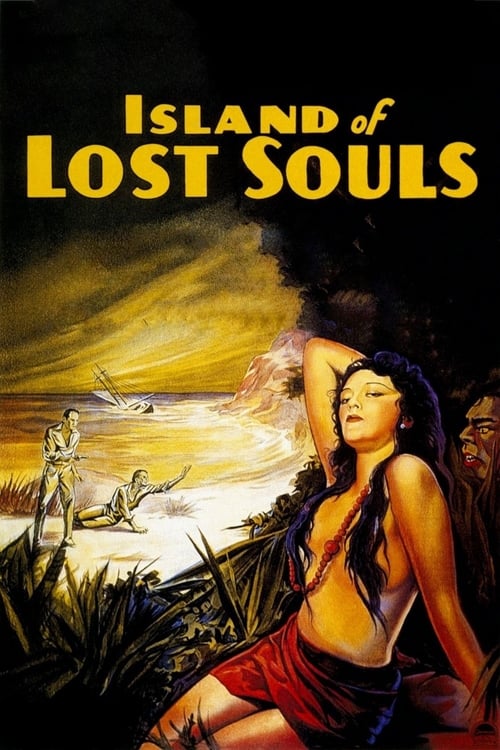
1932
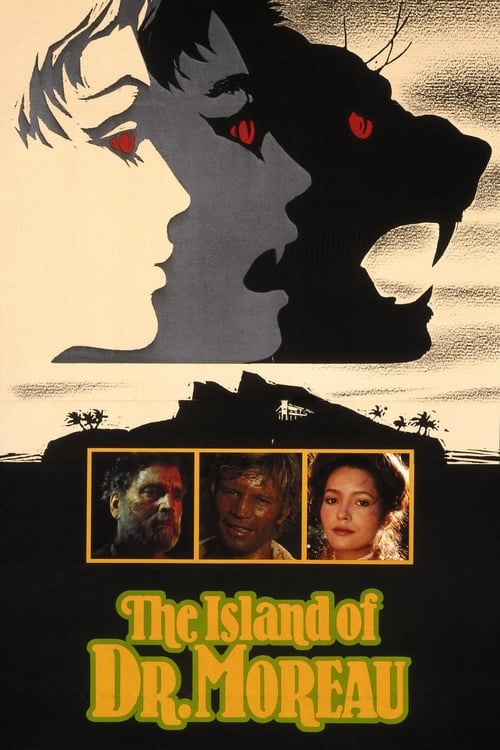
1977
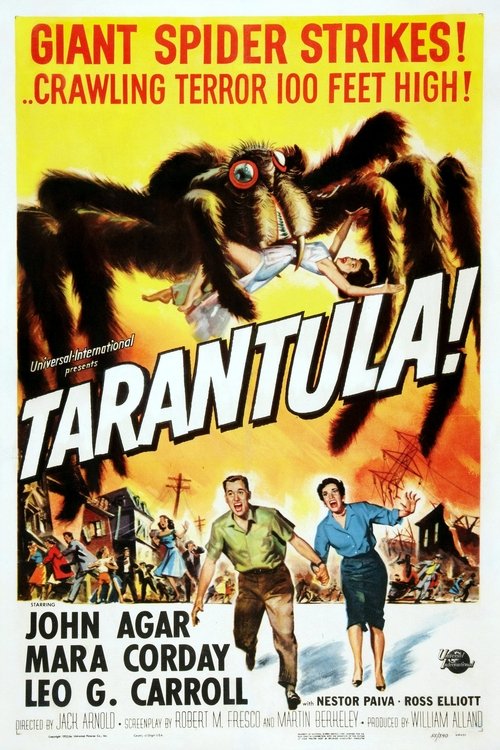
1955
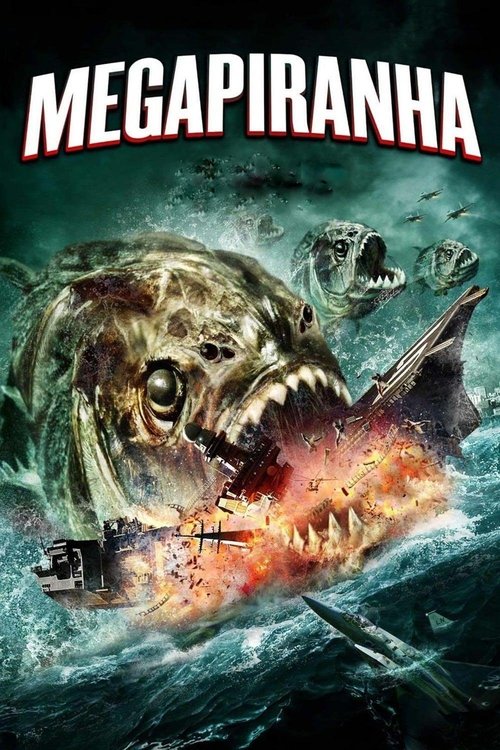
2010

1957
1956
1956
No reviews yet. Be the first to share your thoughts on this movie!
Use the rating form above to leave a star rating and optional review.