The Feast of the Goat
2006
No user ratings available yet
Representation score: 6.8 out of 10
Representation Score
Good
2020
TV-MADirector
David Pablos
Runtime
99 minutes
Average Rating
No ratings yetNew Showbiz Analysis
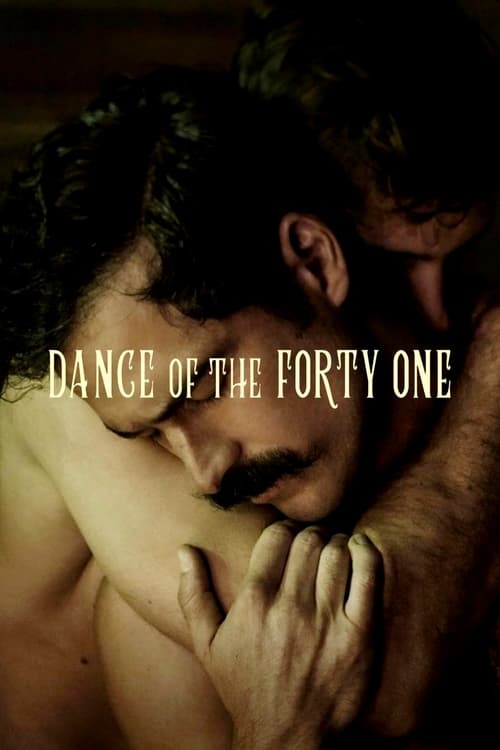
David Pablos presents a critical look at early 20th-century Mexican power structures through a police raid. The film shifts the focus from the political elite to the vulnerabilities of underrepresented individuals. By focusing on multi-layered power dynamics, the film disrupts traditional period drama clichés. It offers a gritty exploration of class, gender, and institutional corruption. While the film excels in critiquing state oppression and gender hierarchies, it lacks representation of disabilities. Its strength lies in its commitment to exploring the margins of society.
Category Breakdown
The film uses secret meetings to challenge traditional social norms. It focuses on unconventional spaces, highlighting the era's strict moral and legal restrictions.
Women are shown taking active roles rather than being submissive. The narrative emphasizes their survival and complex moral decisions within a restrictive patriarchal society.
The story highlights the economic disparities of the Porfiriato era. It showcases the tension between the Mexican working class and the ruling political elite.
The film criticizes Western-aligned institutions like the police as tools of oppression. It portrays situational ethics as a necessary survival strategy in a flawed system.
There is no significant evidence regarding the portrayal of visible or invisible disabilities in this narrative.
Present on Screen
Limited or Absent
Official Synopsis
Mexico City, November 1901. The police raid a private home where a secret party is being held. Among those attending is the son-in-law of President Porfirio Díaz.
2006
2011
1954
1985
1981

2014
1978
1984
No reviews yet. Be the first to share your thoughts on this movie!
Use the rating form above to leave a star rating and optional review.