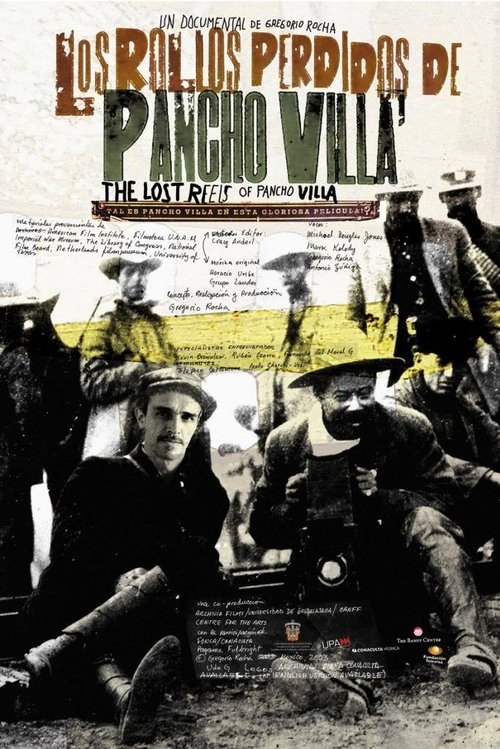
Los rollos perdidos de Pancho Villa
2003
No user ratings available yet
Representation score: 6.0 out of 10
Representation Score
Limited
2003
TV-MADirector
Bruce Beresford
Runtime
112 minutes
Average Rating
No ratings yetNew Showbiz Analysis
The film succeeds as a piece of historical revisionism that challenges Western-centric monopolies on storytelling. By centering a Mexican icon through a performer of color, it disrupts traditional imperialist narratives and avoids the common trap of whitewashing historical figures. However, the production remains limited in its gender and LGBTQ+ breadth. The story adheres to a patriarchal structure, focusing almost exclusively on male-dominated political and military spheres. Ultimately, the work excels in its post-colonial approach. It examines how identity and history are consumed by external capitalist powers.
Category Breakdown
The film focuses on the geopolitical and journalistic tensions of the Mexican Revolution. There are no LGBTQ+ characters or non-straight identities present.
The story centers on male-dominated spheres such as journalism and military leadership. While avoiding harmful stereotypes, the narrative remains focused on male protagonists within a traditional patriarchal framework.
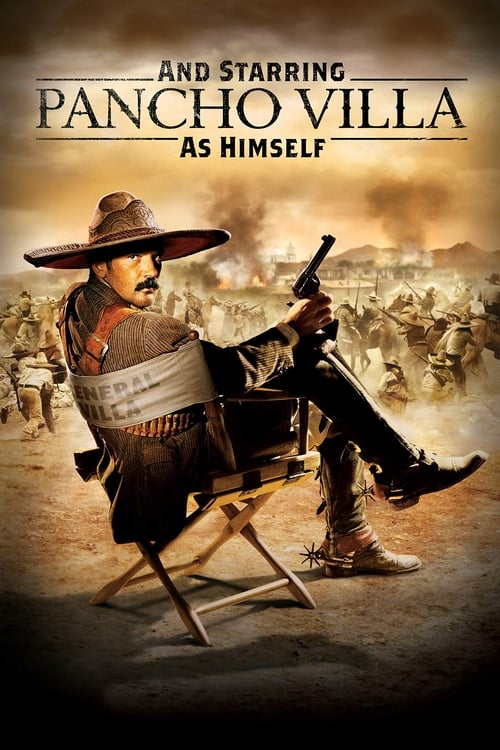
Casting Edward James Olmos as Pancho Villa avoids the pitfall of whitewashing a Latin American icon. The story disrupts the American perspective by centering the Mexican revolutionary experience.
The film critiques how American media interests sought to commodify Mexican violence for profit. It explores the tension between Western institutional influence and Mexican sovereignty.
There is no significant focus on visible or invisible disabilities within the narrative.
Present on Screen
Limited or Absent
Official Synopsis
In 1914, the Mexican revolutionary Pancho Villa invites studios to shoot his actual battles against Porfírio Diaz army to raise funds for financing guns and ammunition. The Mutual Film Corporation, through producer D.W. Griffith, interests for the proposition and sends the filmmaker Frank Thayer to negotiate a contract with Pancho Villa himself.
2003
1952
1958
1954
1972
2012
2010
2004
No reviews yet. Be the first to share your thoughts on this movie!
Use the rating form above to leave a star rating and optional review.