
Sweet Country
1987
No user ratings available yet
Representation score: 4.0 out of 10
Representation Score
Fair
1985
NRDirector
Luis Puenzo
Runtime
112 minutes
Average Rating
No ratings yetNew Showbiz Analysis
The film excels at using a personal, domestic lens to critique systemic state violence and the erosion of truth. By centering a woman's psychological journey, it challenges traditional gender hierarchies and questions the stability of the nuclear family. However, the film lacks demographic breadth, offering no LGBTQ+ representation or focus on disabilities. The social setting remains relatively homogeneous, limiting racial and ethnic variety. Ultimately, the work's strength lies in its structural deconstruction of institutional myths rather than its casting diversity.
Category Breakdown
The film does not include any LGBTQ+ characters or non-cisgender identities. It focuses solely on heterosexual relationships.
Alicia transitions from being a passive housewife to an active investigator, challenging patriarchal authority through her intellectual capabilities.
The film explores the 'stolen babies' phenomenon, where systemic power strips away heritage and lineage, forcing individuals into a homogeneous society.
It portrays the state and military as oppressive tools, questioning the sanctity of the domestic unit and the involvement of the middle class.
The narrative does not feature any visible or invisible disabilities as a primary focus.
Present on Screen
Limited or Absent
Official Synopsis
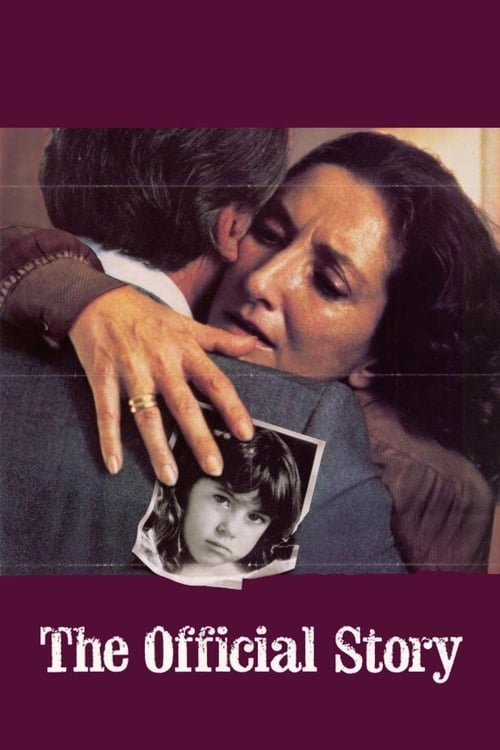
Buenos Aires, Argentina, 1983. In the last and turbulent days of the military dictatorship, Alicia, a high school history teacher, begins to ask uncomfortable questions about the dark origins of Gaby, her adopted daughter.
1987
1989
2006

2011
2006
1987

2006
1977
No reviews yet. Be the first to share your thoughts on this movie!
Use the rating form above to leave a star rating and optional review.