
Salvador (Puig Antich)
2006
No user ratings available yet
Representation score: 5.7 out of 10
Representation Score
Good
2011
Director
Benito Zambrano
Runtime
119 minutes
Average Rating
No ratings yetNew Showbiz Analysis
The film is a sophisticated piece of social realism that uses a domestic lens to critique the Franco regime. It succeeds by centering female autonomy and deconstructing traditional power structures. While the historical setting limits racial and LGBTQ+ diversity, the film compensates with a powerful subversion of gender roles. It frames individual ability to act as a direct form of resistance against systemic oppression. Ultimately, the work excels in its institutional critique, portraying the intersection of Church and State as a source of social surveillance rather than stability.
Category Breakdown
The film focuses on survival and reproductive realities within a highly conservative era. It lacks explicit LGBTQ+ identities or queer-coded subtext, though it critiques the era's rigid social policing.
The narrative subverts traditional hierarchies by giving significant roles to its female leads. It explores female strength and sisterhood as women navigate a landscape dominated by restrictive masculine authority.
Reflecting the demographic homogeneity of 1940s Spain, the film lacks multi-ethnic complexity. Instead, it focuses on class-based distinctions and the experiences of the working class.
The film provides a profound critique of the Church and State as tools of oppression. It portrays these institutions as means used to enforce social conformity through fear.
There is no central depiction of physical or neurodivergent disabilities. While the psychological toll of trauma is evident, it serves a thematic purpose rather than representing disability ability to act.
Present on Screen
Limited or Absent
Official Synopsis
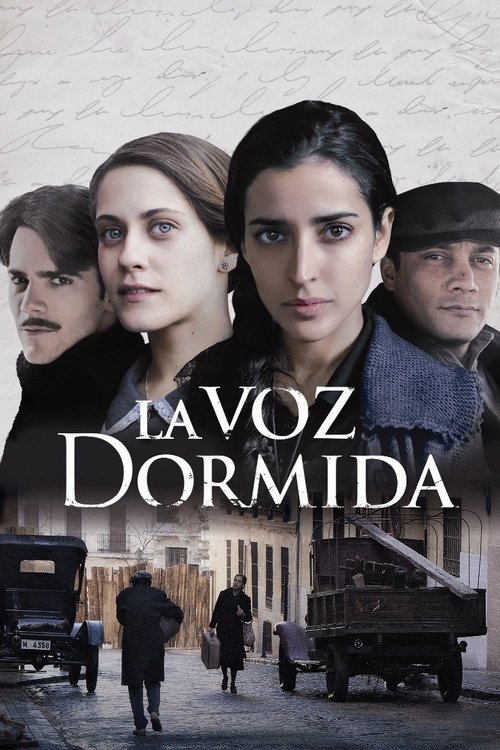
Finished the Spanish Civil War in April 1939, in November 1940, while Spain is being crushed by the ruthless boot of dictator Franco, Pepita travels from rural Córdoba to Madrid to be near her sister Hortensia, who is seven months pregnant and imprisoned, haunted by the shadow of a death sentence.
2006
1985
1977
2023
2019
2010
2006
1976
No reviews yet. Be the first to share your thoughts on this movie!
Use the rating form above to leave a star rating and optional review.