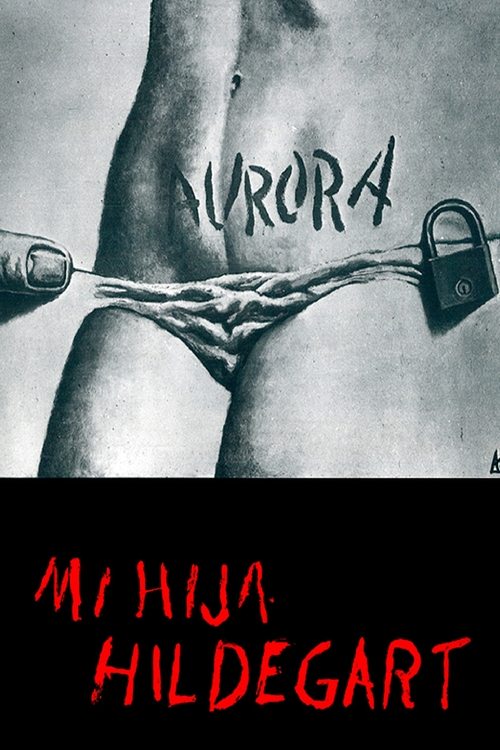
My Daughter Hildegart
1977
No user ratings available yet
Representation score: 4.9 out of 10
Representation Score
Good
1981
Director
Pilar Miró
Runtime
89 minutes
Average Rating
No ratings yetNew Showbiz Analysis
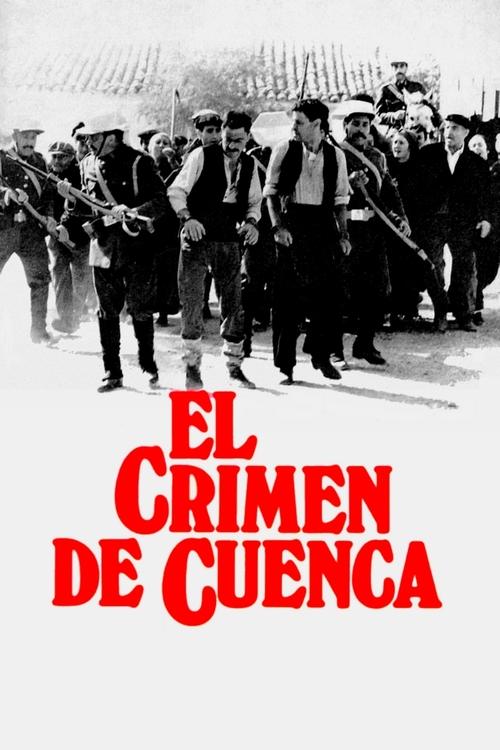
Pilar Miró’s work uses a historical setting to deliver a sophisticated critique of institutional power. The film excels at challenging patriarchal norms, presenting masculine authority as a tool for social control rather than stability. However, the historical context limits representation of LGBTQ+ and racial diversity. The narrative focuses on the social policing of sexuality and class, leaving little room for diverse identities outside the established Castilian social structure. Ultimately, the film's strength lies in its intellectual deconstruction of justice, presenting moral anchors as tools used by the powerful to suppress the underrepresented.
Category Breakdown
The film does not include explicit LGBTQ+ characters or identities that go beyond straight relationships. While it explores the repression of personal desires, it does not focus on queer identities or depict same-sex relationships.
The film highlights the female experience as a primary site of systemic oppression. It critiques patriarchal dominance by showing how judicial orders restrict female autonomy and sexuality.
The cast is primarily made up of actors representing the demographic reality of early 20th-century Castile. The lack of diversity reflects the historical setting rather than a modern narrative choice.
The film challenges traditional institutions like the judicial system and religious influence. It portrays these institutions as corruptive forces that manipulate truth to maintain existing power structures and social hierarchies.
The film does not focus on visible or invisible disabilities. Character struggles are defined by socioeconomic status and gendered social standing rather than physical or neurodivergent conditions.
Present on Screen
Limited or Absent
Official Synopsis
Osa de la Vega, Cuenca, Spain, 1913. Gregorio and León, employees on the estate of the village's mayor, a powerful landowner, are arrested and accused of the murder of José María el Cepa, a shepherd who mysteriously disappeared three years earlier.
1977
2011
1984
1982
1967
1984

2006
1986
No reviews yet. Be the first to share your thoughts on this movie!
Use the rating form above to leave a star rating and optional review.