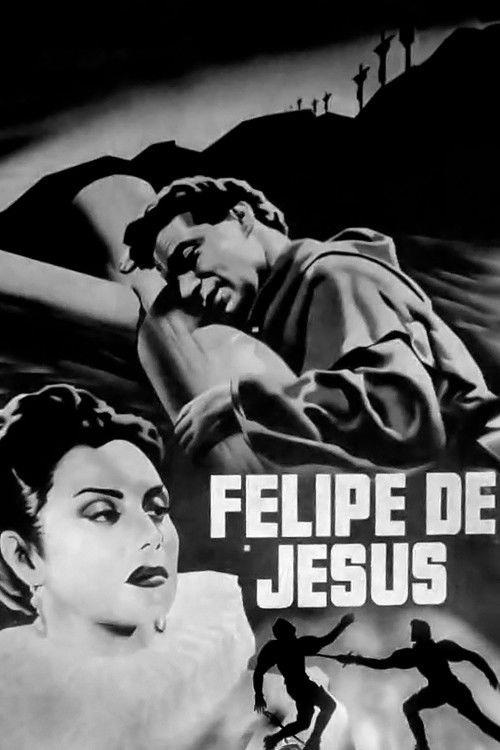
Felipe de Jesús
1949
No user ratings available yet
Representation score: 1.2 out of 10
Representation Score
Limited
1954
Director
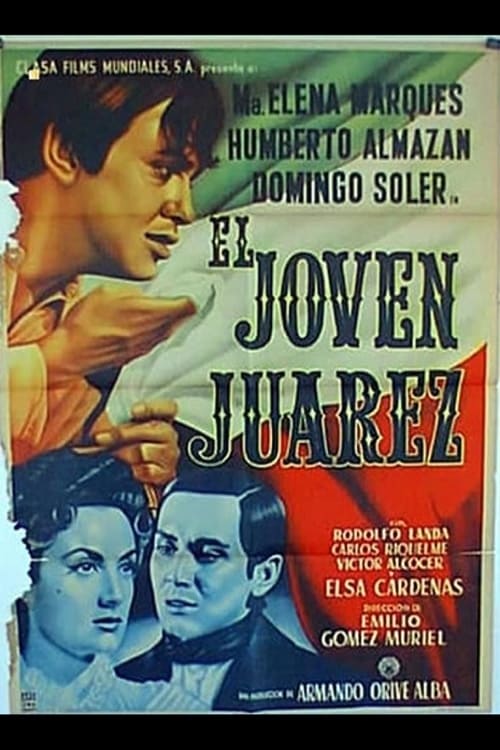
Emilio Gómez Muriel
Runtime
112 minutes
Average Rating
No ratings yetNew Showbiz Analysis
El joven Juárez presents a film filled with contradictions. It challenges colonial-era hierarchies by centering an indigenous protagonist in a position of supreme political power, offering a rare and impactful sense of racial ability to act for a 1950s historical biopic. However, the film is heavily influenced by the social norms of the time, with women relegated to secondary or domestic roles and no LGBTQ+ representation. Ultimately, the film's strength lies in its sophisticated cultural critique, focusing on the struggle for secular reform and national sovereignty.
Category Breakdown
The film focuses solely on the masculine aspects of 19th-century politics and does not include any LGBTQ+ representation or queer subtext.
Male political figures dominate the narrative, while women are confined to secondary or domestic roles, emphasizing traditional male leadership.
By centering a Zapotec indigenous man's rise to the presidency, the film breaks Eurocentric stereotypes and gives a significant role in driving the story to a character of color.
The film explores the tension between the Liberal state and the Catholic Church, highlighting national sovereignty and resistance against foreign imperialism.
There are no visible or invisible disabilities portrayed as central to the character arcs or used as meaningful narrative devices.
Present on Screen
Limited or Absent
Official Synopsis
The humble origins of the famous Oaxacan political liberator who became president of Mexico
1949
1952
1970
2011
1963
1974
1974

1969
No reviews yet. Be the first to share your thoughts on this movie!
Use the rating form above to leave a star rating and optional review.