
Salvador (Puig Antich)
2006
No user ratings available yet
Representation score: 5.7 out of 10
Representation Score
Good
2006
Not RatedDirector
Luis Llosa
Runtime
132 minutes
Average Rating
No ratings yetNew Showbiz Analysis
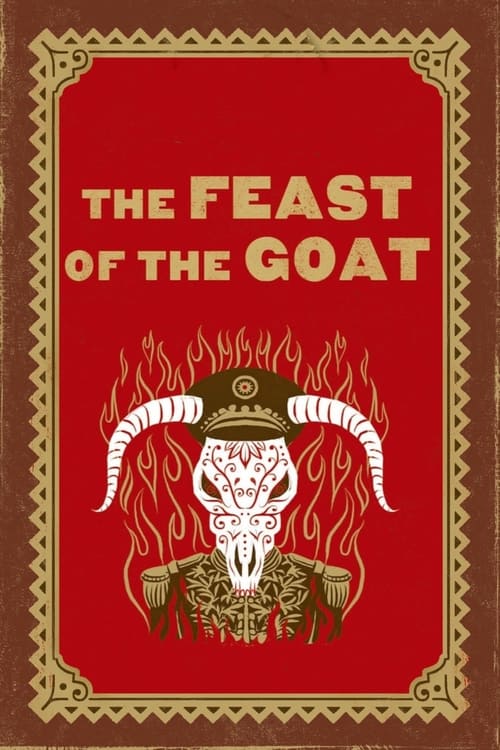
The Feast of the Goat is a sophisticated work of historical revisionism that prioritizes the dismantling of oppressive hierarchies. It succeeds by providing a rigorous critique of systemic corruption and the 'strongman' mythos. While the film achieves high marks for its nuanced depiction of racial and social stratification and its critique of the intersection between state power, religion, and extreme wealth, it remains limited in other areas. The narrative is heavily centered on patriarchal power dynamics and lacks representation for LGBTQ+ identities. Ultimately, the film's value lies in its unflinching look at how racial, gendered, and institutional oppression maintains a corrupt status quo, even if it lacks specific disability-focused narratives.
Category Breakdown
The film does not include any LGBTQ+ characters or non-straight identities. The story focuses solely on the hyper-masculine and patriarchal structures of the Trujillo dictatorship.
The story provides a stark look at gendered power dynamics and the limited role of women. It breaks down traditional family structures by showing how the dictator's actions dismantle the family unit.
The film excels in depicting the racial and social divisions of the Dominican Republic. It centers the Afro-Latino experience and highlights how the regime used racial hierarchies to maintain control.
The narrative offers a critical view of the interplay between state power, the Catholic Church, and extreme wealth. It portrays these traditional institutions as inherently corrupt and oppressive.
The film touches upon psychological trauma and invisible mental scars from totalitarianism. However, it does not feature characters with specific physical or neurodivergent disabilities as central figures.
Present on Screen
Limited or Absent
Official Synopsis
Urania Cabral returns to Santo Domingo, after several years, and remembers her and her family's relationship to Rafael Trujillo, the Dominican dictator, as well as the events surrounding his assassination.
2006
1985
2014
2011
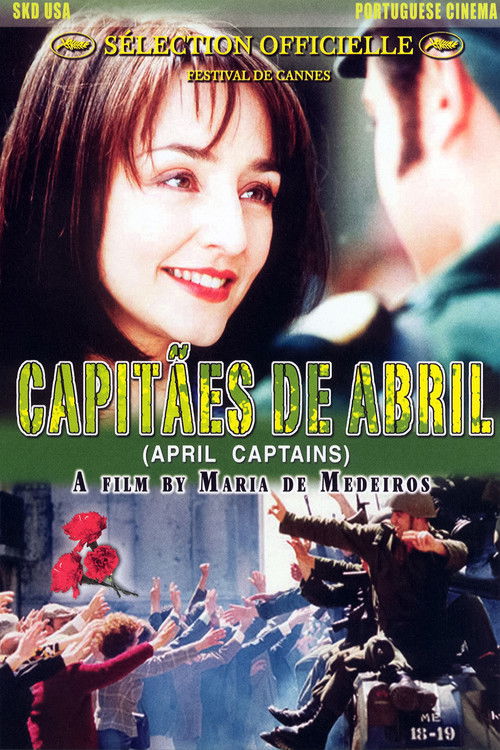
2000
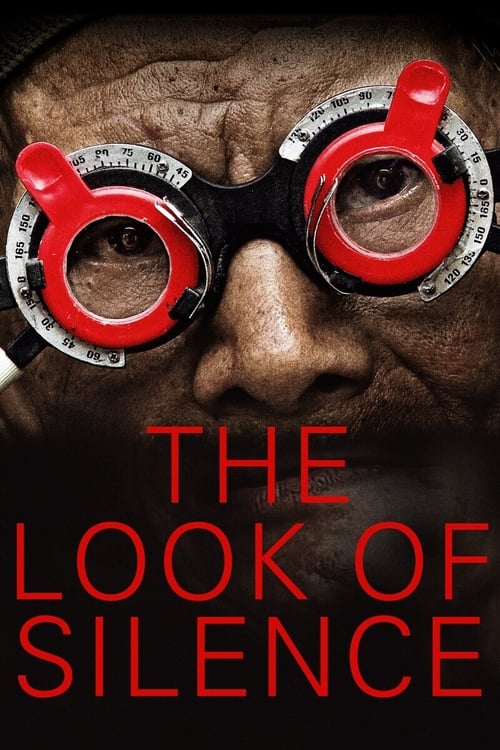
2014
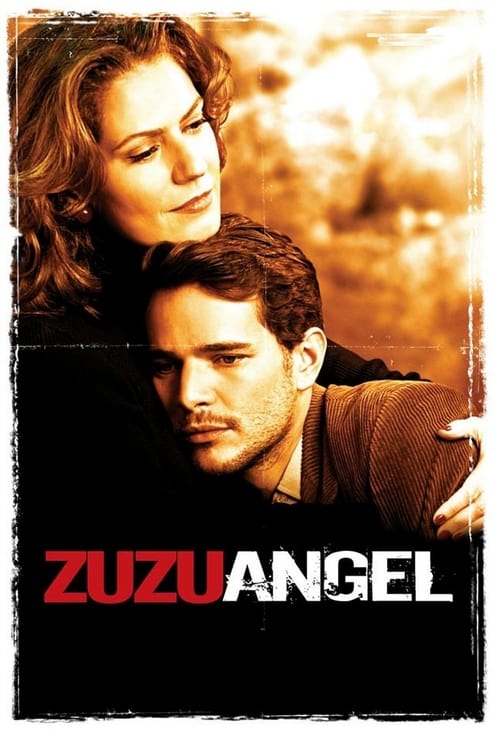
2006
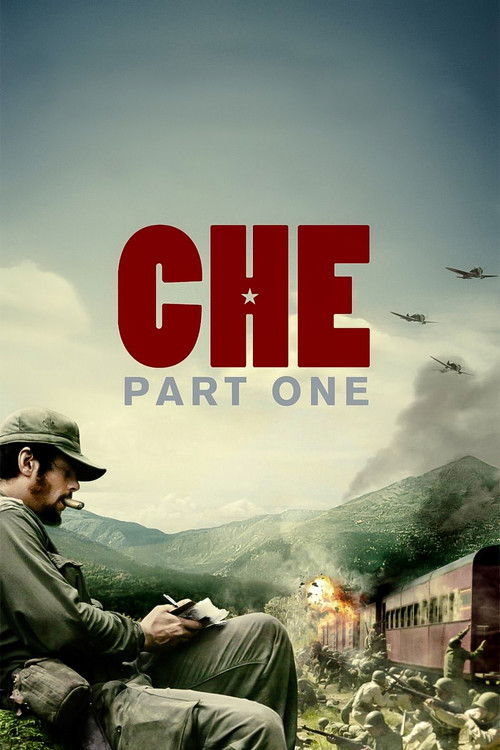
2008
No reviews yet. Be the first to share your thoughts on this movie!
Use the rating form above to leave a star rating and optional review.