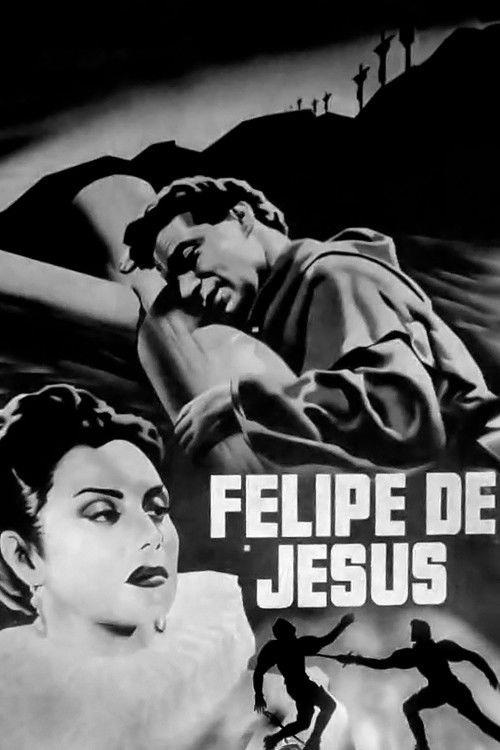
Felipe de Jesús
1949
No user ratings available yet
Representation score: 1.2 out of 10

Representation Score
Fair
2014
TV-14Director
Guita Schyfter
Runtime
155 minutes
Average Rating
No ratings yetNew Showbiz Analysis
Orphans is a historical drama that stands out for its progressive stance against colonial and religious domination. By focusing on Melchor Ocampo’s fight against Spanish rule and clerical authority, the film dismantles traditional power structures and social purity norms. However, while the narrative challenges institutional oppression, it lacks clear markers of modern identity politics. The focus on a male-led political struggle and the absence of explicit LGBTQ+ or disability representation limit its inclusivity. Overall, the film provides a powerful critique of systemic religious and colonial control, offering a significant perspective on Mexican national identity and the quest for secular autonomy.
Category Breakdown
The film touches on a forbidden love affair that hints at breaking social norms, but it doesn't explicitly confirm any non-straight relationships.
The story focuses on a male protagonist's political struggle. While women play important roles, the narrative primarily follows the male character's intellectual journey.
By highlighting a Mexican historical figure and the fight for sovereignty, the film emphasizes a non-European perspective. It challenges the dominance of European colonial narratives.
The film strongly criticizes the Catholic Church as an oppressive force. It highlights secular ideals over traditional religious doctrines and colonial power.
There is no indication of the portrayal of physical or neurodivergent disabilities in this work.
Present on Screen
Limited or Absent
Official Synopsis
Orphans is the true story of a forbidden love affair set in the oppressive and violent atmosphere of nineteenth century Mexico. One man, Melchor Ocampo, driven by the twin passions of love and idealism, defies the stain of illegitimacy to shake off the crippling yoke of Spain and the Catholic Church. In so doing he becomes a founding figure of modern day Mexico.
1949
1985
1974
2011
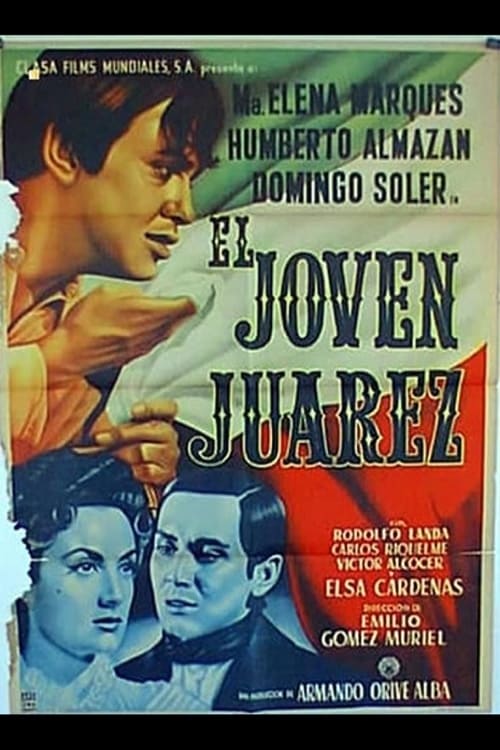
1954

2010
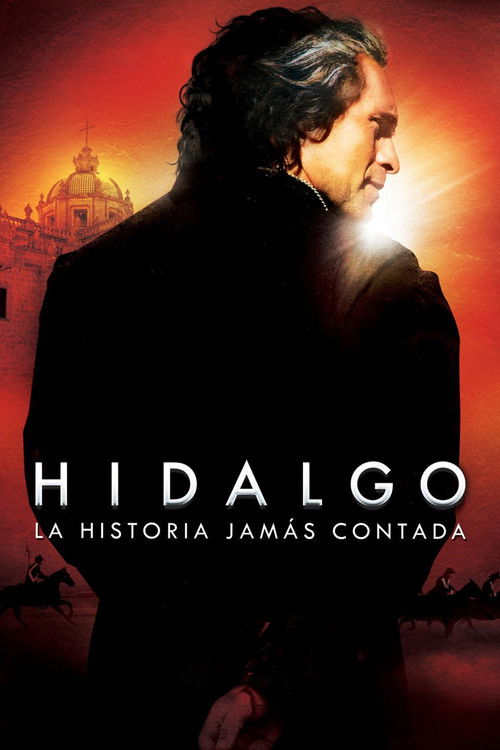
2010
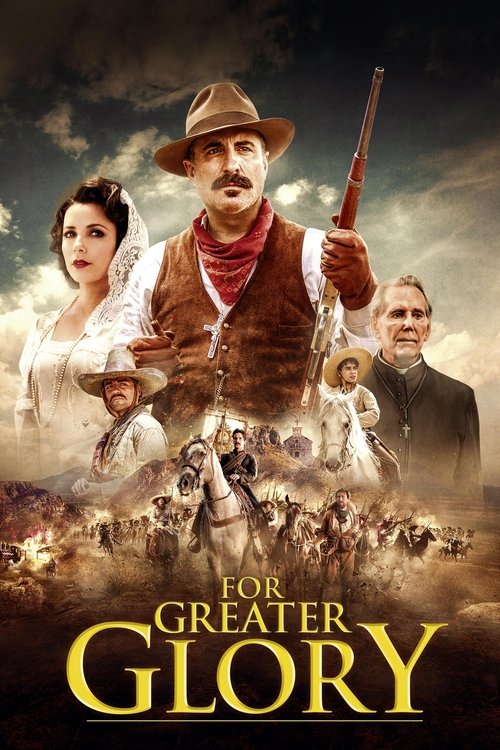
2012
No reviews yet. Be the first to share your thoughts on this movie!
Use the rating form above to leave a star rating and optional review.