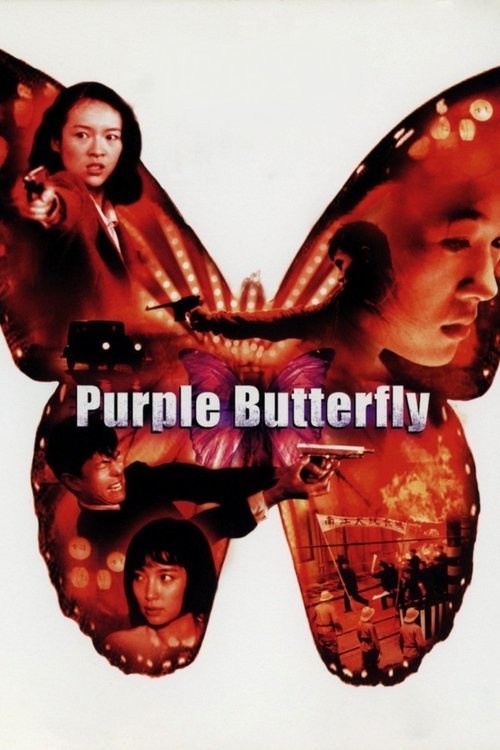
Purple Butterfly
2003
No user ratings available yet
Representation score: 6.9 out of 10

Representation Score
Fair
2017
PG-13Director
Ann Hui
Runtime
130 minutes
Average Rating
No ratings yetNew Showbiz Analysis
Ann Hui’s period piece stands out by centering Cantonese identity and avoiding a Western-centric viewpoint. The film provides a rich, authentic portrayal by focusing on the working class and the socio-cultural landscape of 1960s Hong Kong. While the film lacks LGBTQ+ representation and disability narratives, it challenges traditional gender hierarchies. The female lead drives the character arcs, offering insight into the emotional labor needed during societal changes. Ultimately, the film's strength lies in its focus on class and the preservation of local culture amid the pressures of modernization.
Category Breakdown
The film focuses on a central romantic relationship between the main characters. It doesn't include any non-binary gender identities or queer narratives, sticking to traditional romance clichés.
The female protagonist plays a significant role in driving the story. She navigates the tension between personal autonomy and the strict social norms of 1960s Hong Kong.
The film offers an authentic look at Cantonese identity. It centers a Cantonese-speaking cast and provides a rich cultural backdrop through depictions of local street performers and the working class.
The narrative critiques rapid urbanization. It emphasizes preserving local identity and traditional ways of life over globalization.
There are no characters with visible or invisible disabilities playing key roles in the plot.
Present on Screen
Limited or Absent
Official Synopsis
In Japanese-occupied Hong Kong, a school teacher and her would-be-fiancé link up with Chinese guerrilla fighters, forging their own path to freedom.
2003
1989
2022
1959
2015

1946
2005
2015
No reviews yet. Be the first to share your thoughts on this movie!
Use the rating form above to leave a star rating and optional review.