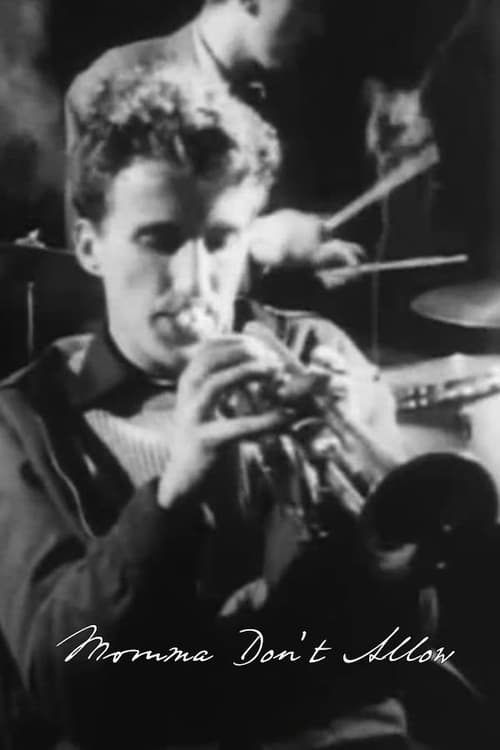
Momma Don't Allow
1956
No user ratings available yet
Representation score: 5.6 out of 10
Representation Score
Limited
1957
Director
D. A. Pennebaker
Runtime
5 minutes
Average Rating
No ratings yetNew Showbiz Analysis
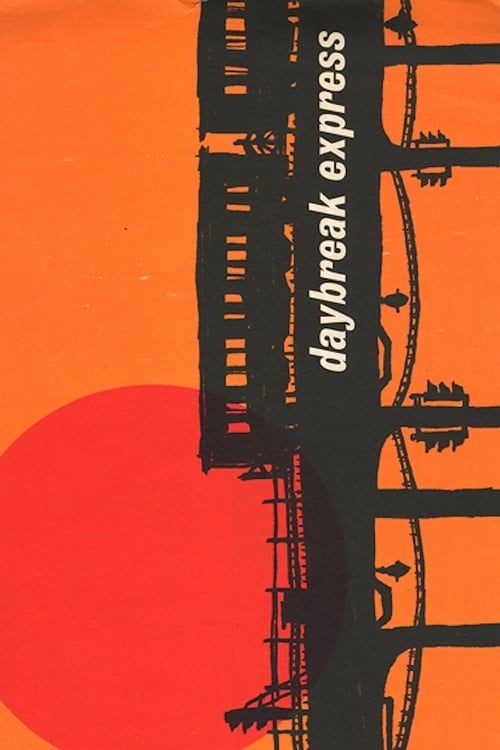
Daybreak Express serves as a rhythmic snapshot of mid-century urban life. Since it is a non-narrative documentary focused on transit, it lacks intentional character development or storytelling that reflects multiple aspects of identity. However, the film's strength lies in its observational honesty. By capturing the Third Avenue elevated station in its natural state, it avoids the sanitized casting common in mainstream fiction of the era. Ultimately, the diversity is incidental rather than intentional. The short length of the film limits deep analysis, but it provides an unfiltered glimpse of a diverse population.
Category Breakdown
The film does not depict any gender identities or sexual orientations. It focuses on observing a transit hub.
The footage captures a range of 1950s commuters. It avoids overly stylized, gender-specific clichés, providing a neutral view of gender in public spaces.
The work offers a candid look at New York City's diverse population. It captures the natural racial complexity of the urban environment without sanitized casting.
The film highlights the aesthetic of modern industrial life and jazz music. It celebrates the energy of urban life without focusing on religious or domestic structures.
There are no visible or invisible disabilities depicted in the footage.
Present on Screen
Limited or Absent
Official Synopsis
Set to a classic Duke Ellington recording "Daybreak Express", this is a five-minute short of the soon-to-be-demolished Third Avenue elevated subway station in New York City.
1956
1980

1967
1997
1974
1959
1944
1970
No reviews yet. Be the first to share your thoughts on this movie!
Use the rating form above to leave a star rating and optional review.