A Night at the Opera
2020
No user ratings available yet
Representation score: 4.5 out of 10
Representation Score
Fair
1951
BtlDirector
Leonid Varlamov
Runtime
65 minutes
Average Rating
No ratings yetNew Showbiz Analysis
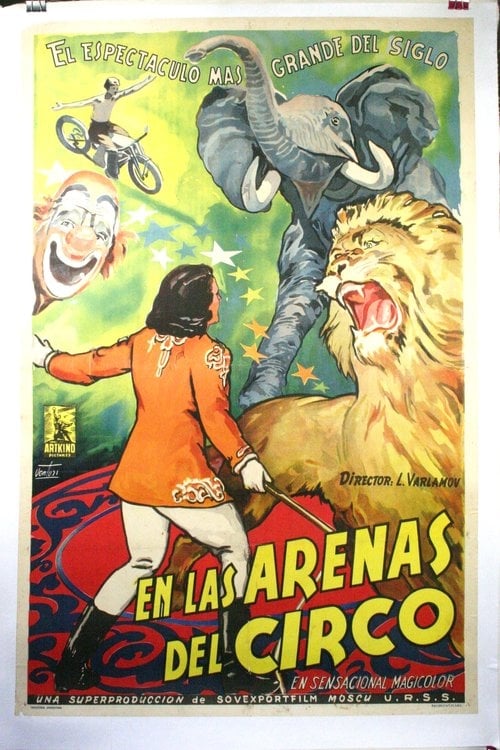
In the Circus Ring serves primarily as a period-specific cultural artifact. It reflects the established social and institutional hierarchies of the early 1950s Soviet era rather than attempting to disrupt them through modern multi-layered lenses. The documentary focuses on the communal and state-supported nature of circus arts. While it offers a unique look at collective spectacle, it remains bound by the ideological and demographic norms of its time. Ultimately, the film functions as a window into mid-century performance traditions, emphasizing physical mastery and state-sanctioned cultural frameworks over individualist or subversive storytelling.
Category Breakdown
The film lacks LGBTQ+ characters or narratives. It adheres to the traditional social norms and genre constraints typical of 1951 Soviet documentary filmmaking.
Female performers likely play actively leading roles like acrobats. However, these roles often serve as physical spectacle rather than challenging traditional gender hierarchies.
Casting likely reflects the specific ethnic compositions of state-sanctioned Soviet circus troupes. There is no evidence of intentional racial blending or color-blind casting.
The film prioritizes collective spectacle over Western capitalist narratives. It reinforces the institutional values and communal nature of the Soviet-era circus arts.
The narrative focuses on the mastery of physical form. There is no evidence of neurodivergent or invisible disability representation within the performance context.
Present on Screen
Limited or Absent
2020
1957
1960
1952
2008
1957
1967

1973
No reviews yet. Be the first to share your thoughts on this movie!
Use the rating form above to leave a star rating and optional review.