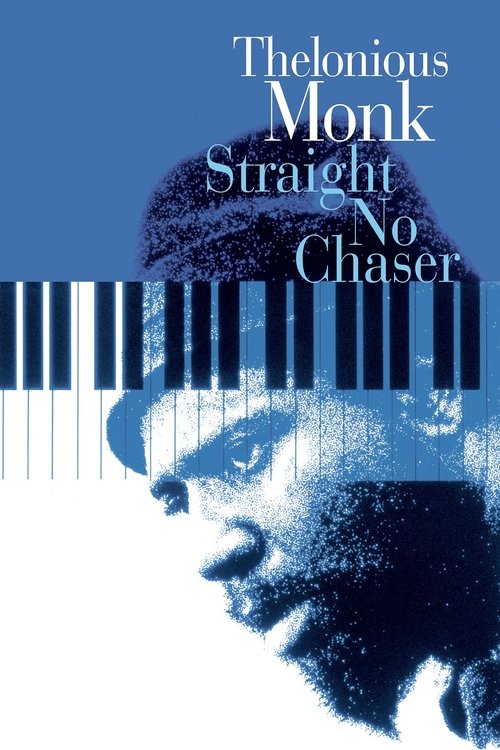
Thelonious Monk: Straight, No Chaser
1988
No user ratings available yet
Representation score: 8.0 out of 10
Representation Score
Fair
1985
NRDirector
Brigitte Berman
Runtime
114 minutes
Average Rating
No ratings yetNew Showbiz Analysis
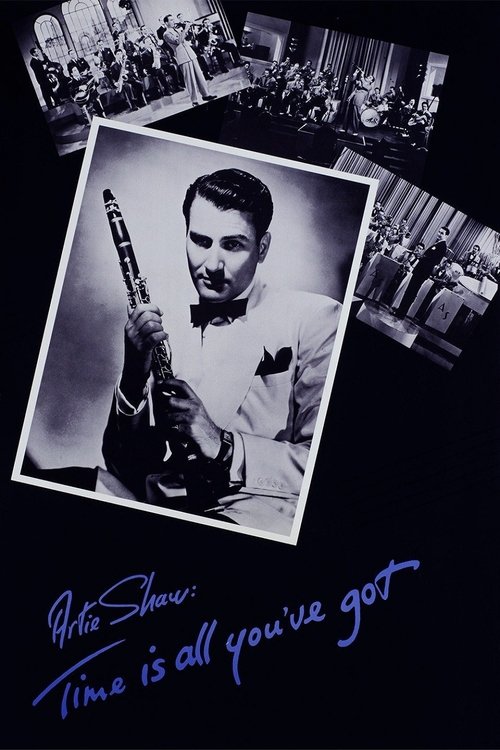
This documentary serves as a historical and musical archive of Artie Shaw's career. It offers a nuanced look at a jazz icon whose life challenged social norms through innovation and personal complexity. The film adheres to the traditional framework of 1980s biographical documentaries. While it captures the cultural landscape of the Big Band era, it does not actively seek to disrupt narrative hierarchies using modern perspectives that reflect multiple aspects of identity. Ultimately, the work provides a deep dive into Shaw's remarkable legacy, balancing archival footage with personal interviews to illustrate a complex life.
Category Breakdown
The film touches on the complex life of Artie Shaw without explicitly discussing his sexual orientation or identity.
The documentary focuses on a single male figure, typical for biographies of its time. However, it offers a female perspective on Shaw's personal life through director Brigitte Berman.
The film highlights the contributions of African American musicians during the Big Band era. Archival footage captures the diverse racial identities within the jazz community.
The narrative avoids a purely celebratory tone, focusing instead on Shaw's personal struggles. It provides a psychological exploration of a life outside conventional stability.
There is no depiction of physical or neurodivergent disabilities in this biographical study.
Present on Screen
Limited or Absent
Official Synopsis
This in-depth examination of the life and career of clarinetist and bandleader Artie Shaw cuts between archival footage, location shots, and an interview with Shaw himself. Berman illustrates the tumultuous, complicated, and remarkable legacy of a man who brought numerous innovations to jazz and swing music during the big-band era.
1988
2018
1997
2016
2022
1993
2017
1986
No reviews yet. Be the first to share your thoughts on this movie!
Use the rating form above to leave a star rating and optional review.