The Blues Accordin' to Lightnin' Hopkins
1968
No user ratings available yet
Representation score: 2.7 out of 10
Representation Score
Limited
1957
KTDirector
Jean Delire
Runtime
18 minutes
Average Rating
No ratings yetNew Showbiz Analysis
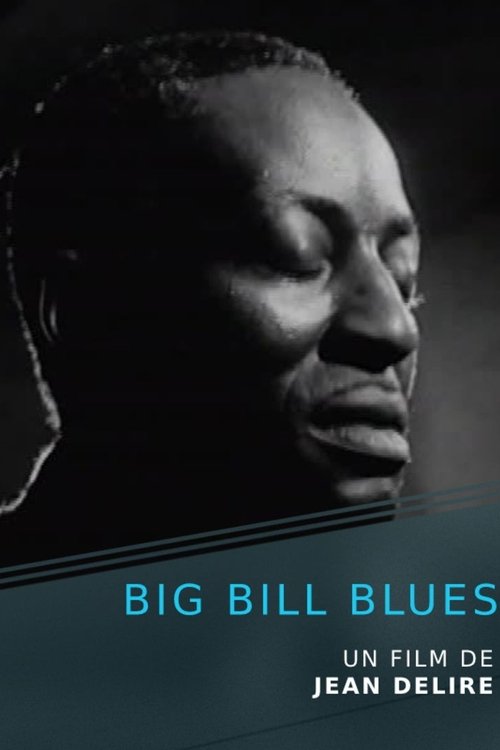
Big Bill Blues serves as a vital ethnographic document that elevates a Black musical icon to a position of cultural authority. By capturing Broonzy in a Brussels cellar, the film disrupts traditional geographic boundaries of the blues genre. While the film lacks exploration of gender or orientation, its significance lies in the spatial displacement of the subject. It moves the Black artist from a domestic American context into a European urban environment. Ultimately, the work succeeds as a preservation of Black artistry. It challenges Eurocentric media patterns by centering a Black performer as the primary agent of expertise.
Category Breakdown
The film does not include any LGBTQ+ characters or narratives. It does not address non-straight relationships or identities.
This musical documentary focuses on a single male performer. It does not explore gender hierarchies or diverse gendered perspectives.
The film centers on Big Bill Broonzy, a Black artist who plays a significant role in driving the story. His performance in a European setting challenges mid-century media homogeneity.
The documentary highlights the Blues, a non-Western musical tradition, within a European landscape. It prioritizes authentic expression over commercialized Western standards.
There is no documented evidence of performers with visible or invisible disabilities in this musical documentation.
Present on Screen
Limited or Absent
Official Synopsis
This is the only film about Big Bill Broonzy, you can see him playing the blues in a Brussels cellar.
1968
1971
1992
1944
2012
2003
2003
1969
No reviews yet. Be the first to share your thoughts on this movie!
Use the rating form above to leave a star rating and optional review.